
Lukas Graham
In Conversation with…
Interview By: Michael Morgan
Words By: Lily Egleton
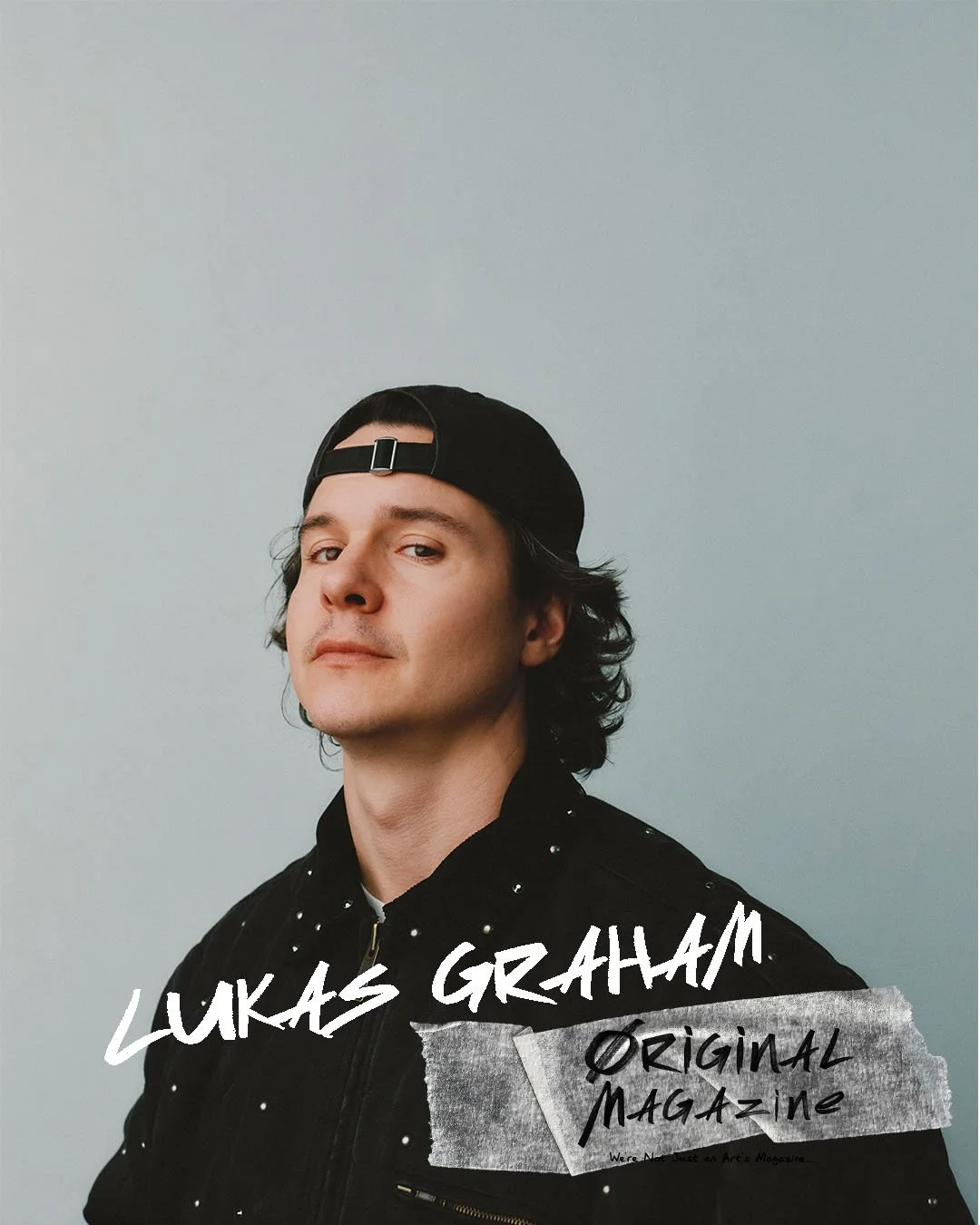
After over a decade at the forefront of pop music with hits like Seven
Years, Lukas Graham finds themselves at such an interesting intersection in their career. Formed in 2011 in Copenhagen, Denmark, Lukas Graham consists of lead vocalist Lukas Forchhammer, drummer Mark Falgren, and bassist Magnus Larsson. Now, with their album Good Times on the horizon, Lukas Graham have reached a point where reflection flows just as naturally as writing about the present. Their fifth album Good Times arrives in August 2026, marking a differentiation from their typical music style, switching out the pop-soul genre for folk-pop. A great source of inspiration for this differentiation is Forchhammer seeking out reconnecting with his Irish roots, paying a delightful tribute to his late father, Eugene Graham, who was born in the town of Donegal, Ireland. Forchhammer stated that they recorded their album with people his dad knew, drawing a beautiful line between musical style and cultural connection and heritage. Upon reflection, I found this coming album reflects just as much the past as it does the present and future.
"Most of my albums have always been about the present," Forchhammer explains, "Some songs pointed towards the future - Seven Years and Mama
Said ended up being pretty prophetic - but Good Times is the first time I've really looked back at where I've been and how I got here." That sense of reflection runs through much of the record. Instead of documenting the present moment, Good Times pauses long enough to appreciate the road that led there. It's an album that looks back on friendships, family life and the experiences that quietly shape a person over time, without ever becoming sentimental. Rather than dwelling on the hardships that inevitably come with life, Forchhammer is more interested in the moments that endure. This particularly makes sense with Forchhammer now being a father of three. For him, the album's title isn't about career milestones or sold-out arenas. "Good times" are surprisingly ordinary; looking back over the last decade, he says it's those memories - not the difficult ones - that naturally rise to the surface. It's a perspective that feels increasingly intentional and powerful.
This refreshing perspective has inevitably been shaped by fatherhood, although perhaps not in the way most people might expect. While balancing family life with an international touring schedule sounds inherently chaotic, Forchhammer argues that becoming a parent actually brought order to a life that previously had very few boundaries. "Life does change when you have kids," he states, "probably more structure was introduced to my life with every kid, because otherwise it really won't hold up. Without kids, you can just work forever and do everything and not have to worry too much." He pauses before adding something that feels heartfelt. "I think in a lot of ways, my kids have also saved my life." It is a sentiment that permeates Good Times, where life's biggest moments aren't found only in arenas or awards, but in the people waiting at home.
Lukas Graham's music has always found meaning in the everyday, such as in earlier hits like Love Someone and the grief and longing woven into You're Not There. The band's songwriting has consistently taken personal and deep-rooted moments and feelings, providing them with a universal resonance. Good Times does not abandon this characteristic but approaches it from a different perspective. Alongside simultaneously experiencing stability and change after having kids, Forchhammer implies that he is more interested currently in writing about the quiet routines that make up a life well lived: "Just living with my wife and looking back at
the life I've lived professionally, and some of the friendships that I enjoy... Those things just don't stop inspiring me. I can keep writing songs about that." It is less of a reinvention of their music, but more a subtle maturation of it. Where earlier records found beauty in life's emotional and turbulent highs and lows, Good Times lingers in the spaces between them, celebrating the relationships and everyday moments that often only reveal their significance with time.
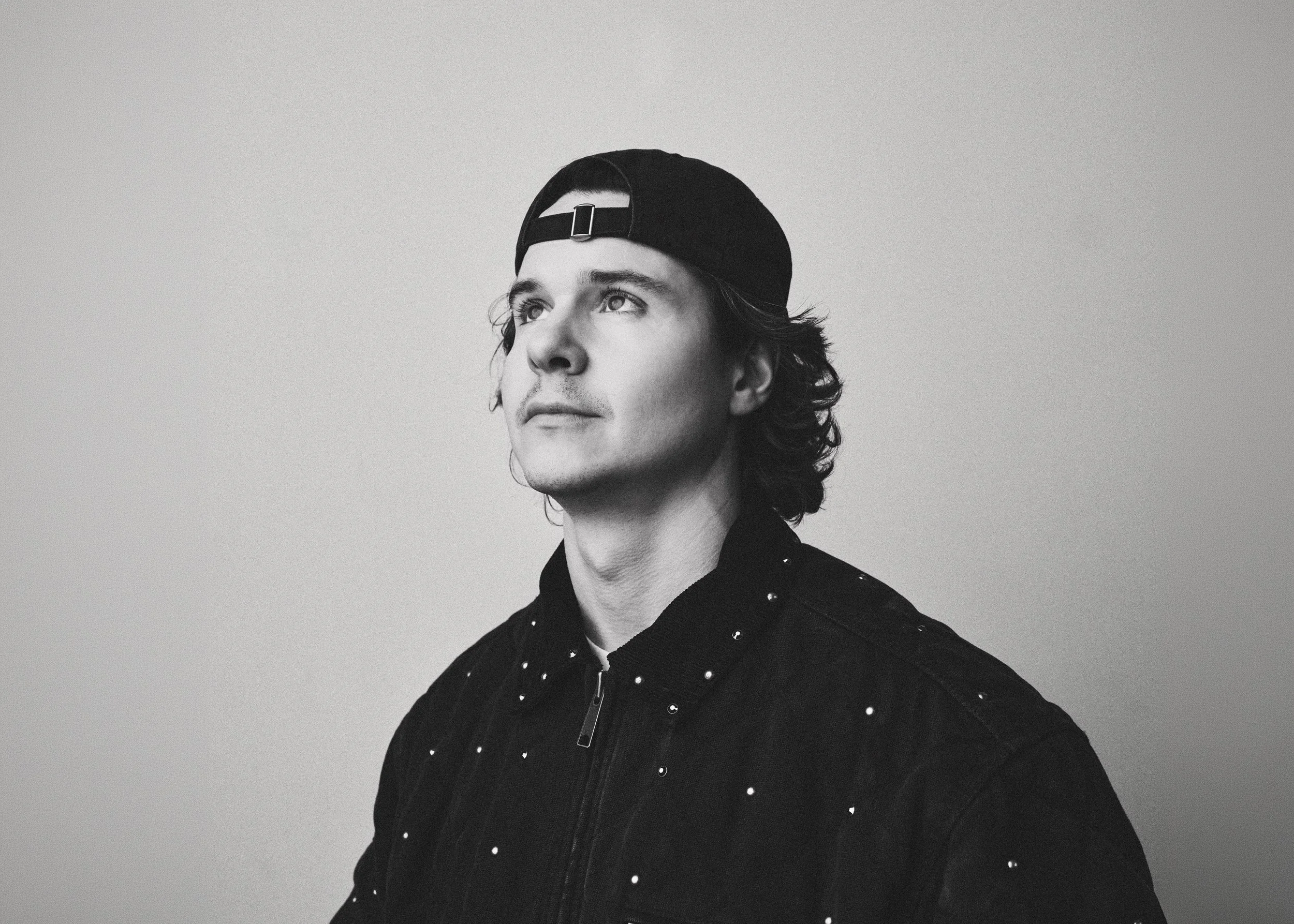
Even when inspiration does arrive, Forchhammer has learnt not to trust his memory. The realities of family life mean that a promising lyric can disappear almost as quickly as it appears, buried beneath school pickups and the demands of everyday adulthood. "Sometimes I just write down the lyrics. Sometimes I do the little voice memo," he explains. "I have three kids, and I don't remember any idea I have in the middle of the day because then suddenly there's laundry and kids being picked up from school." He laughs at the contrast with his younger self before admitting, "I used to retain these ideas more, and now as an adult-adult with real responsibilities, I have to write it down or record it, otherwise it just slips through my fingers like sand." It's an image that perfectly captures where Forchhammer finds himself today: still chasing ideas, just with a much busier life surrounding them.
Perhaps the biggest revelation to come from our conversation is how dramatically his relationship with creativity has changed over the years. Like many young musicians, Forchhammer once believed inspiration had to arrive unexpectedly: that songwriting was something spontaneous, fuelled by the right mood, the right people or the right night out. Experience has slowly dismantled that romanticism. "I wish I knew more back then that you can also just set a time and say, 'We'll be creative from 10 to 3,' instead of thinking everything had to come almost coincidentally in the middle of getting hammered," he says candidly. Most of the band's strongest work, he now believes, has emerged from discipline rather than chaos. "It's a muscle, so you can actually train it." That philosophy has become central to how Lukas Graham approaches writing today, replacing the myth of waiting for inspiration with the far less glamorous reality of simply turning up.
This same mindset extends to the inevitable moments when creativity feels out of reach. Forchhammer doesn't believe in waiting for writer's block to pass; instead, he believes in writing through it, even if the results aren't immediately worth keeping. "You have to write the wrong songs to write the right songs," he says matter-of-factly. "I've written a lot of things that have never been released and probably will never be released because it sucks." Rather than viewing those songs as failures, he sees them as an essential part of the process, alongside reading different books, collaborating with new people or revisiting forgotten ideas. Sometimes, those old ideas simply need time. "There's a song on this album
called Before You Go. I wrote it in 2019 and just never felt it was right to release," he explains. "It's probably my favourite song on this album now." For Forchhammer, songs evolve just as people do; sometimes the timing, rather than the writing itself, is what makes all the difference.
That willingness to revisit the past ultimately shaped Good Times in more ways than one. Beyond its reflective themes, the record also allowed Lukas Graham to reconnect with the folk music that surrounded Forchhammer growing up in Copenhagen's Christiania neighbourhood. The idea had lingered for years before
finally becoming reality after a conversation with longtime collaborator Stefan Forrest. "He called me and was like, 'Bro, it's time to make that folk album you dreamt of making since you were a boy,'" Forchhammer recalls. From there, everything seemed to fall into place. The album came together in just over a year, bringing together old collaborators alongside musicians connected to his late father and Copenhagen's folk community. "It's just been such a nice process," he says. "One of the things that really stands out to me is that as soon as I was done with it, I almost started writing for the next album immediately after... it's a really nice feeling to just want to create more."
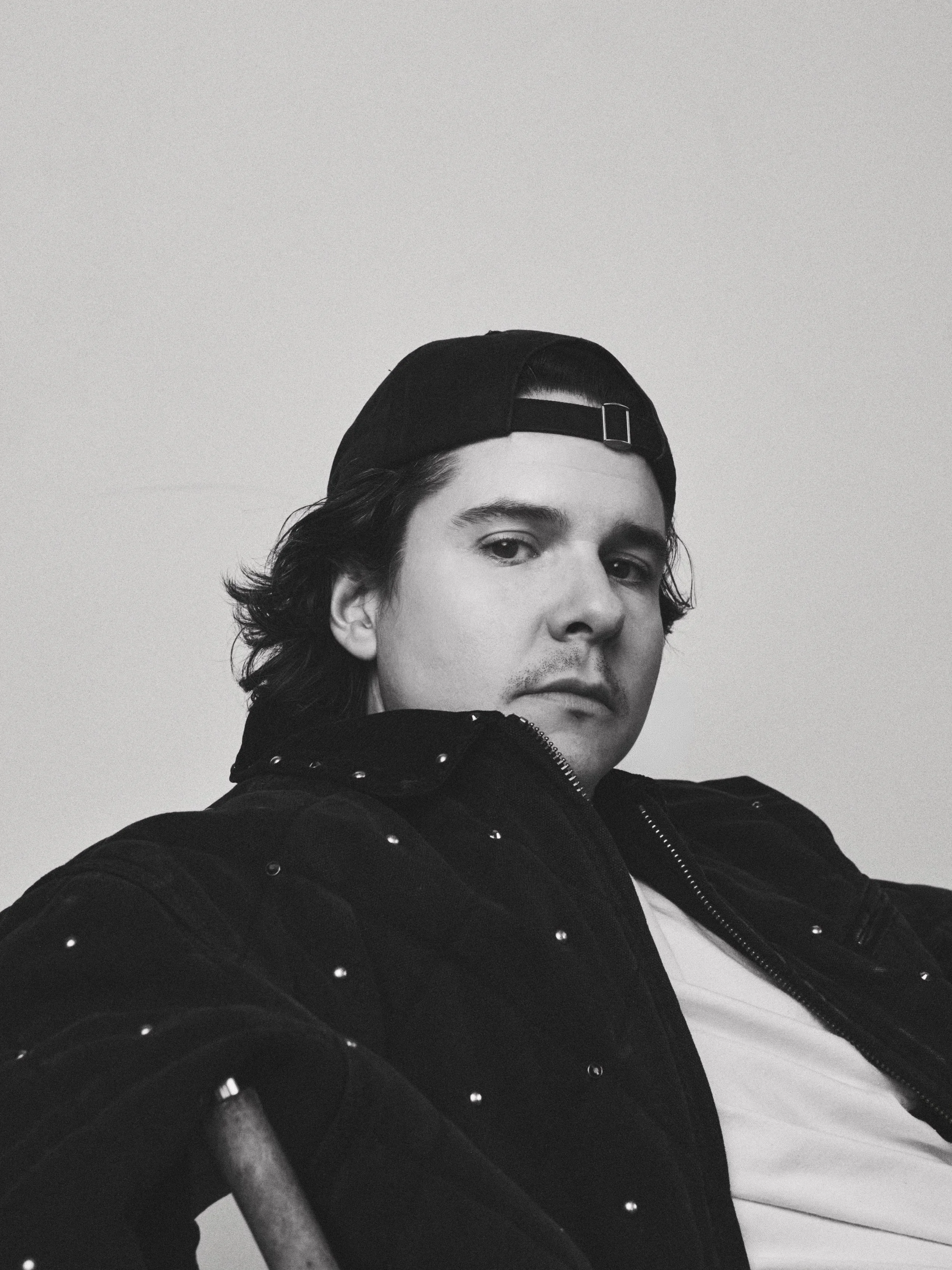
Moreover, this sense of familiarity seems to have unlocked something creatively. Unlike previous albums, which often left him feeling exhausted by the time they were finished, Good Times had the opposite impact. The entire project was written, recorded and produced in just over a year, but rather than feeling creatively spent afterwards, Forchhammer found himself eager to begin again. "One of the things that really stands out to me with Good Times is that as soon as I was done with it, I almost started writing for the next album immediately after," he says. "It never was like that. I used to be pretty spent when I was done with an album. So it's a really nice feeling to just want to create more." It's a striking and especially exciting admission from artists who have spent almost three decades making music professionally, suggesting that revisiting Forchhammer's roots has perhaps opened a door of new possibilities rather than closed a chapter.
Despite this sense of renewal after visiting the folk-pop genre, Forchhammer admits the beginning of every album still feels remarkably uncertain. Experience has not removed the fear of the blank page; if anything, it's taught him to accept it. "What confounds me every time I start an album is the sense of directionlessness," he states, "I might know it's going to be a folk-inspired album. I still don't know where the fuck we're going." He laughs as he compares it to adulthood itself - a destination that somehow never quite arrives. "You think you're going to grow up and then you become 20 and realise, 'I'm not an adult.' Then you're 28 and have a kid... still not an adult. Now I'm 37, going on 38, I have three kids, several mortgages to my name, and I still don't really know what this adulthood is." It's an analogy that reaches far beyond songwriting. Forchhammer isn't simply describing the uncertainty of making a record, but the quiet realisation that life itself never really settles into certainty. There's a common belief that adulthood arrives with answers: that by a certain age, or after enough milestones, you'll finally know exactly what you're doing. Yet as he jokes about mortgages, fatherhood and nearly three decades of performing, it's clear that feeling never quite arrives. Albums, much like life, still begin with a blank page. Experience might make you more comfortable with the unknown, but it never removes it entirely.
I believe that that transparency and openness carries through to the stage, where familiarity hasn't dulled the nerves either. Whether Lukas Graham is playing their own headline shows, festival slots or opening for Ed Sheeran in front of tens of thousands of people, Forchhammer insists the apprehension remains a definite and essential part of the job. "If I ever stop having to go pee right before stage, it's probably time to take a break," he laughs. Rather than trying to eliminate that feeling, he's learnt to embrace it. "Courage isn't the absence of fear, but doing things even though they look scary." Before every show, the band gathers backstage for a
huddle and a round of push-ups: a ritual that's become less about superstition than reminding themselves they're about to share something meaningful together. It's a small tradition, but one that reflects the communal spirit he credits with shaping Lukas Graham from the very beginning and truly uniting them as a band wholly.
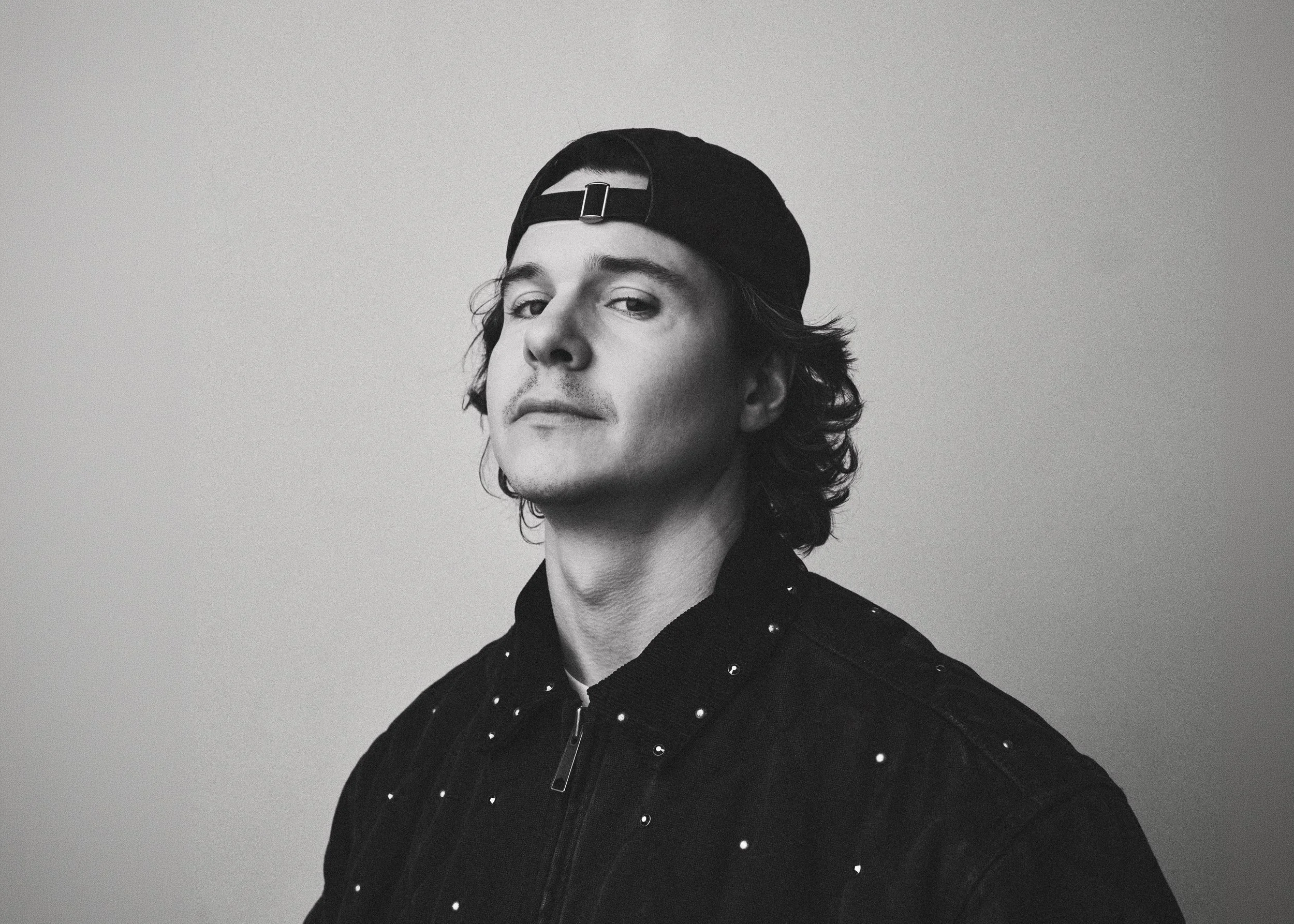
Lukas Graham are currently performing with Ed Sheeran as the support and special guest for select dates on the North American leg of Sheeran’s Loop Tour, which kicks off on 15th August 2026 at the US Bank Stadium. This partnership has been a relatively long-term collaboration, forging after Lukas Graham performed as a special guest during the final night of Sheeran’s Mathematics Tour in Copenhagen on 31st August 2025 where they shared a beautiful duet rendition of Seven Years. Touring and performing at shows which gain such brilliant traction has also required a nuanced mindset. Unlike a headline show, where there's time to ebb and flow between emotional peaks and quieter moments across a full set, opening a stadium demands immediate impact. "When you only have 30 minutes before Ed goes on, you kind of need to make every second count," Forchhammer says. Still, Forchhammer is not approaching those performances with anxiety so much as curiosity. Festivals and support tours share a significant similarity: much of the audience hasn't necessarily come to see Lukas Graham. "Will people want to listen to me and my songs or are they just there for the big kahuna?" he jokes. Often, I have pondered upon the rush artists must experience when approaching a stadium, especially as a supporting act. It is a mindset that makes every performance feel earned, and allows new fans to truly connect with the artist they may be initially unfamiliar with, enabling them to experience a new connection with the supporting acts’ music, regardless of how many years Lukas Graham have spent on stage.
By the end of the interview, it's clear that Good Times is not really about nostalgia at all, rather it's about perspective. The album doesn't attempt to rewrite the past or present life through rose-tinted glasses: it simply chooses to dwell on the moments that matter most. As Forchhammer phrases it, "when I look back at my life the last 10 or 15 years, it's all the good times that stand out. It's all the fun shit. It's all the amazing stuff. The tragedy doesn't really take centre stage when I think my life over... but I also think that's an exercise. You have to choose to see the good times." That outlook feels woven into every corner of the record, transforming it from a retrospective into something far more universal. After nearly three decades with Lukas Graham, Forchhammer isn't offering listeners a lesson in how to live - only a gentle reminder to pause long enough to appreciate the people and moments that make a life worth looking back on.
