
Whatzaraloves
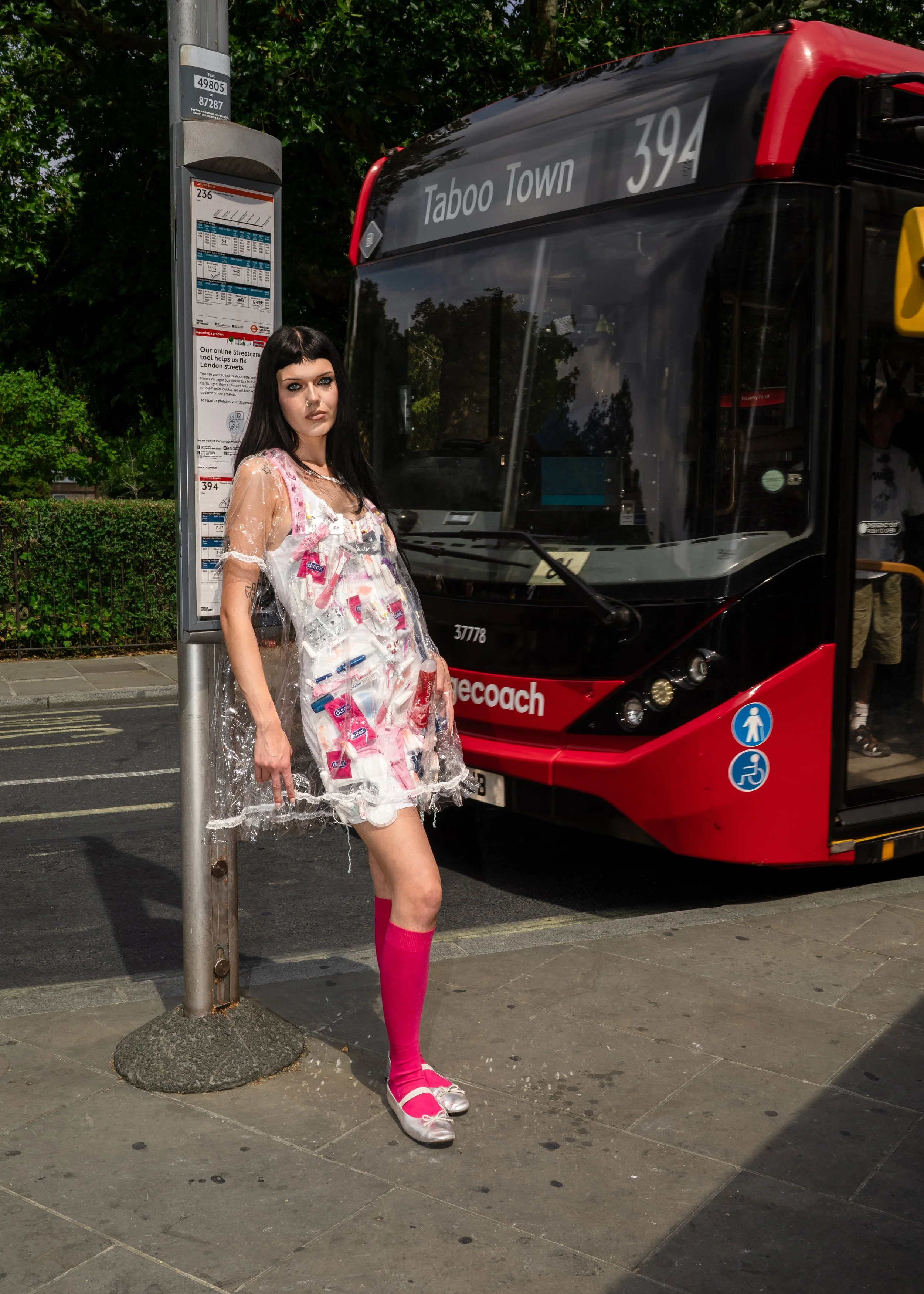
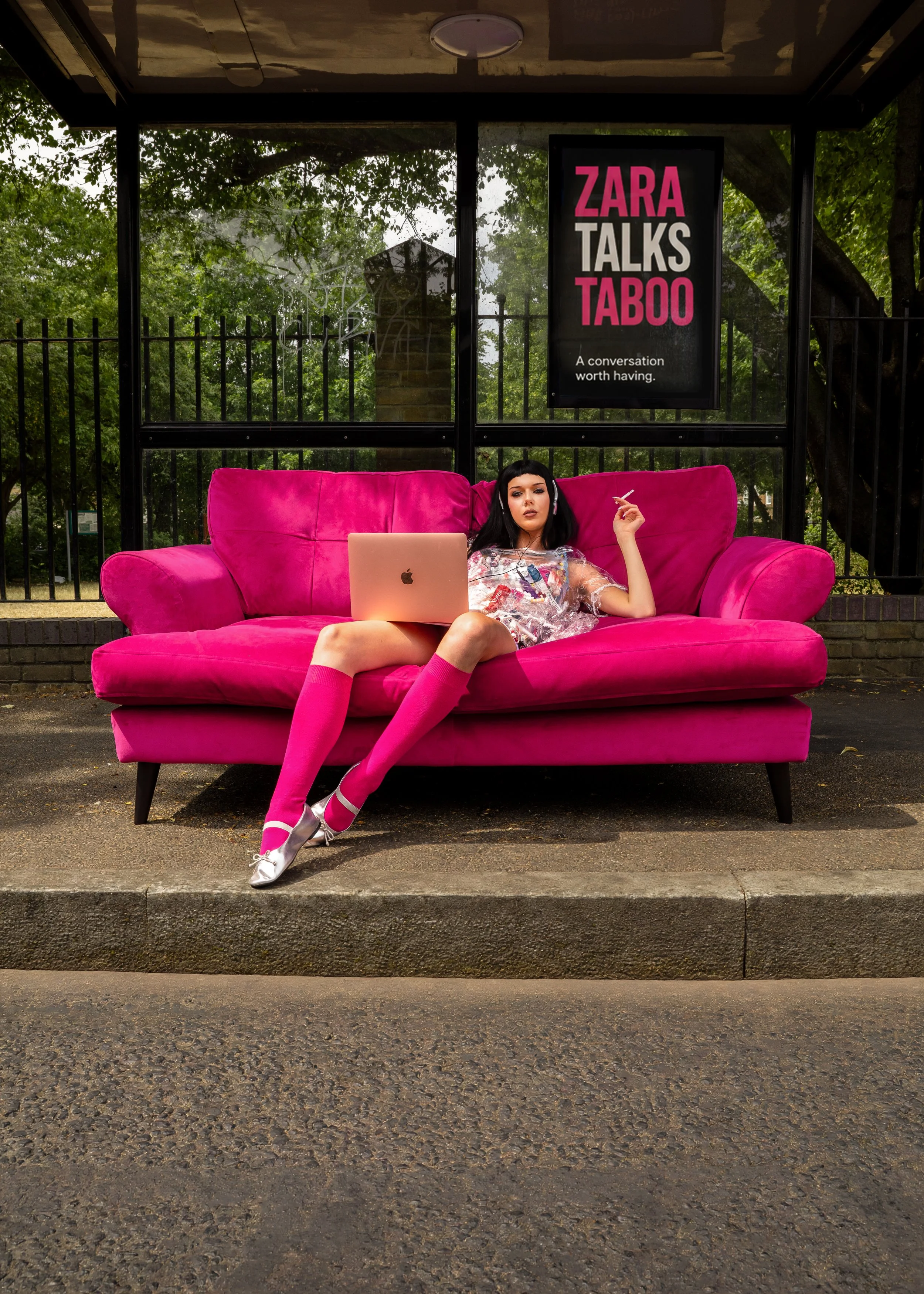
Zara McIntosh, content creator, cultural analyst, and host of the social series 'Taboo on the Bus'.
Interview By: Emily-Grace
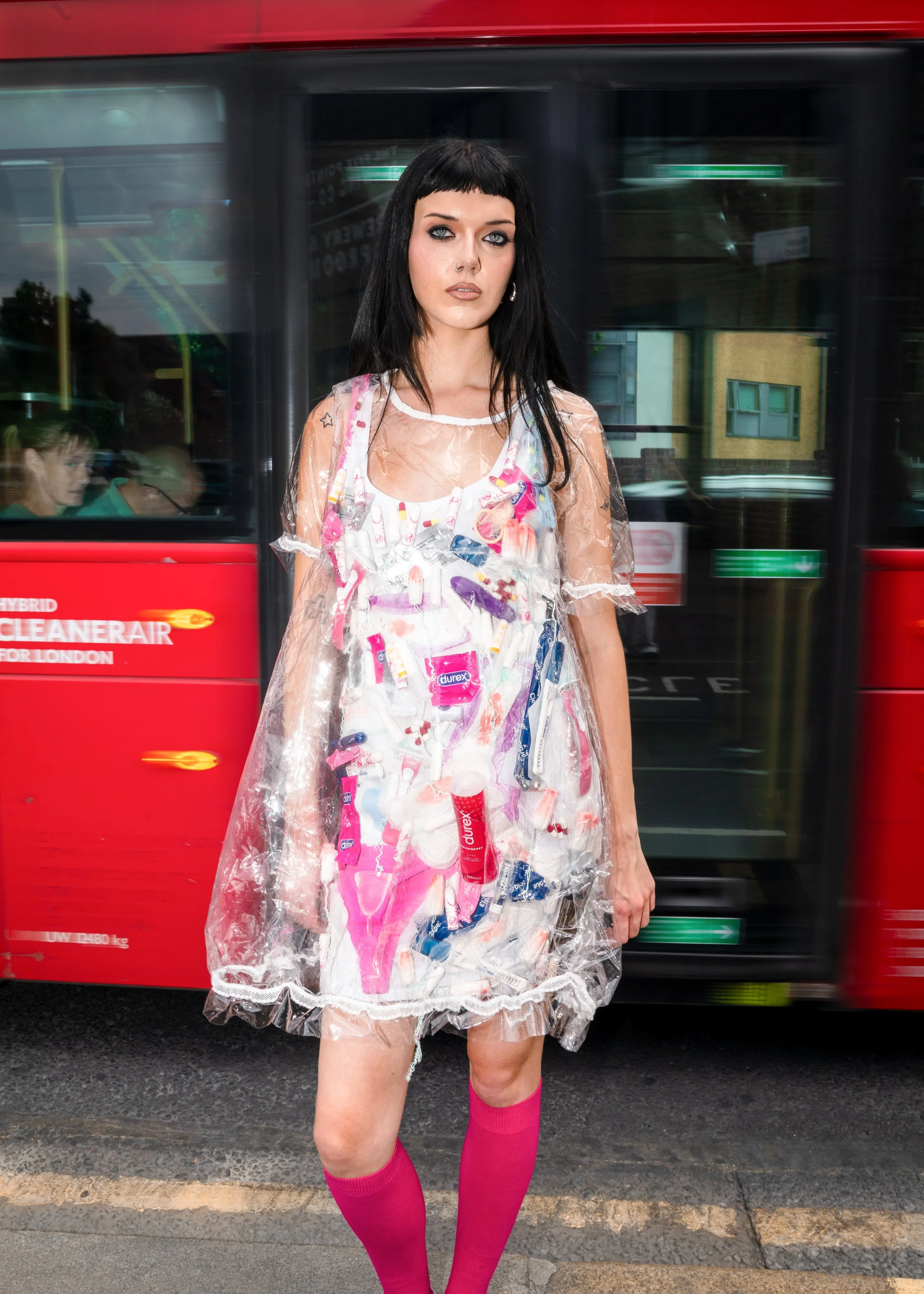
E.G: How did you first come about the idea of ‘Taboo on The Bus?’ And did you always know you wanted to get into this form of content creation?
Zara: Taboo on the Bus came to me while actually riding the bus! I was having quite a ‘taboo’, open conversation with my friend on our commute home, and it occurred to me that other passengers could overhear. I tapped into the idea as a way of getting other people engaged or listening in on conversations that weren’t generally being had as a way to try and break social stigmas and taboos. At the time, I was writing a blog composed of essays about these topics but the readership was very low as everyone’s attention was on short form video content on social media sites. So essentially, I took those essays and turned them into spoken-word think pieces on the bus, and that is how Taboo on the Bus was born.
E.G: Your content often starts with conversations surrounding societal issues, criticism, the impact of trends and celebrity influences, but asks much bigger questions about society. When did you realise that was the kind of storyteller you wanted to become?
Zara: Holding the position online of somebody who asks the wider questions about society and our behaviour is so intrinsic to my own character that it was inevitable that it would become intertwined in my storytelling online. My mum once noted that I really ‘probe people’ with questions and could come across quite intimidating. It is never my intention to be provoking but I am such an analytically wired person that I find it hard to NOT dissect everything and ask the wider questions. I apply that mindset to everything I research and engage with which I’m glad comes through in my content online.
E.G: "Taboo" is a word you return to again and again. What's a conversation you still think we're avoiding, and why do you think people are so reluctant to have it?
Zara: I think there is a lot of ‘taboo’ surrounding weight loss right now, specifically amongst women in the public sphere. It rests within this grey area of not commenting on people’s bodies, while at the same time, needing to call-out unhealthy, potentially dangerous portrayals in order to demonstrate that this is not something we should normalise. I know Jameela Jamil has recently made some comments about this which I commend her for. It hasn’t come without backlash but she has faced that taboo head on, specifically in navigating the differing approach to weight loss in women depending on race.
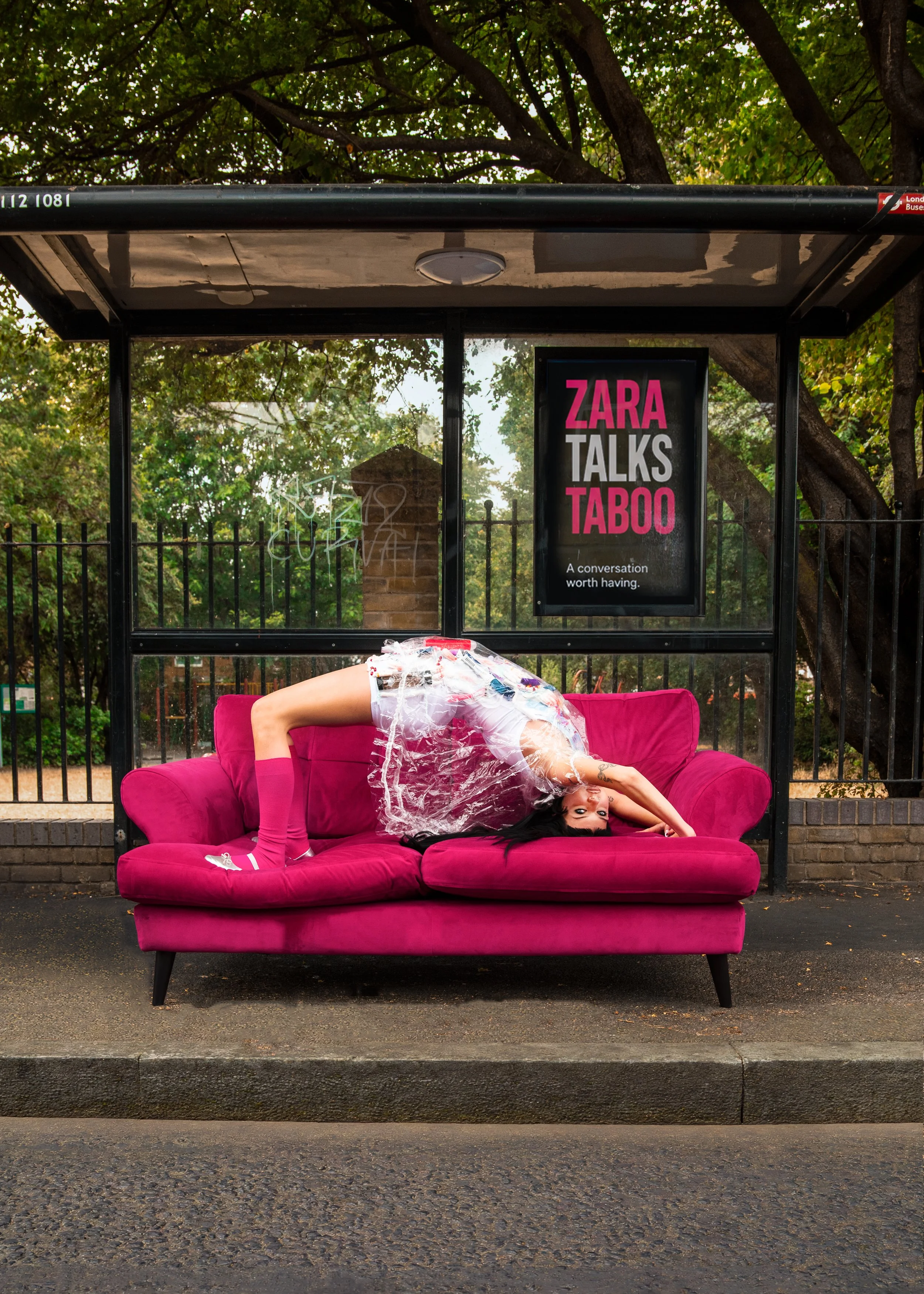
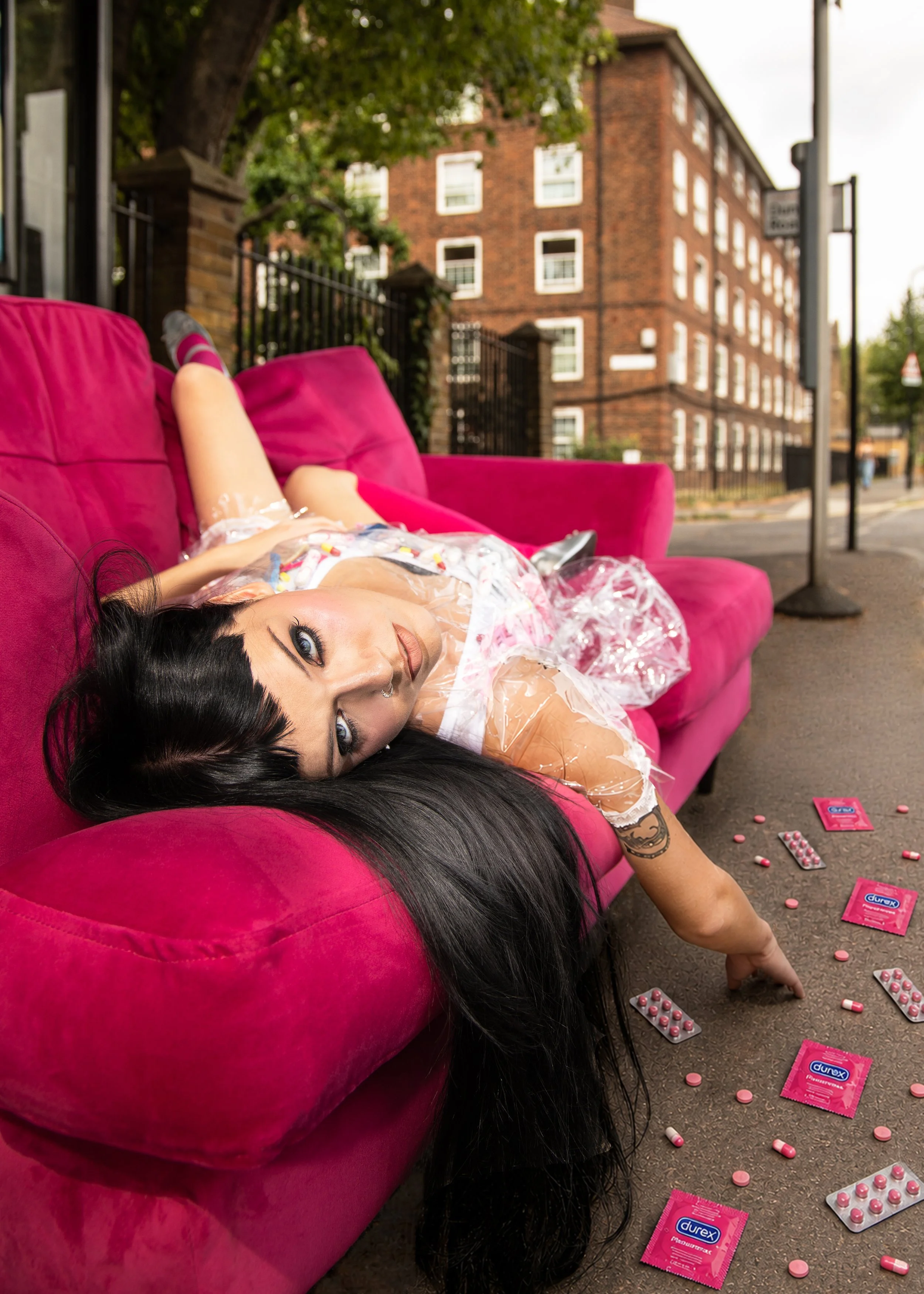
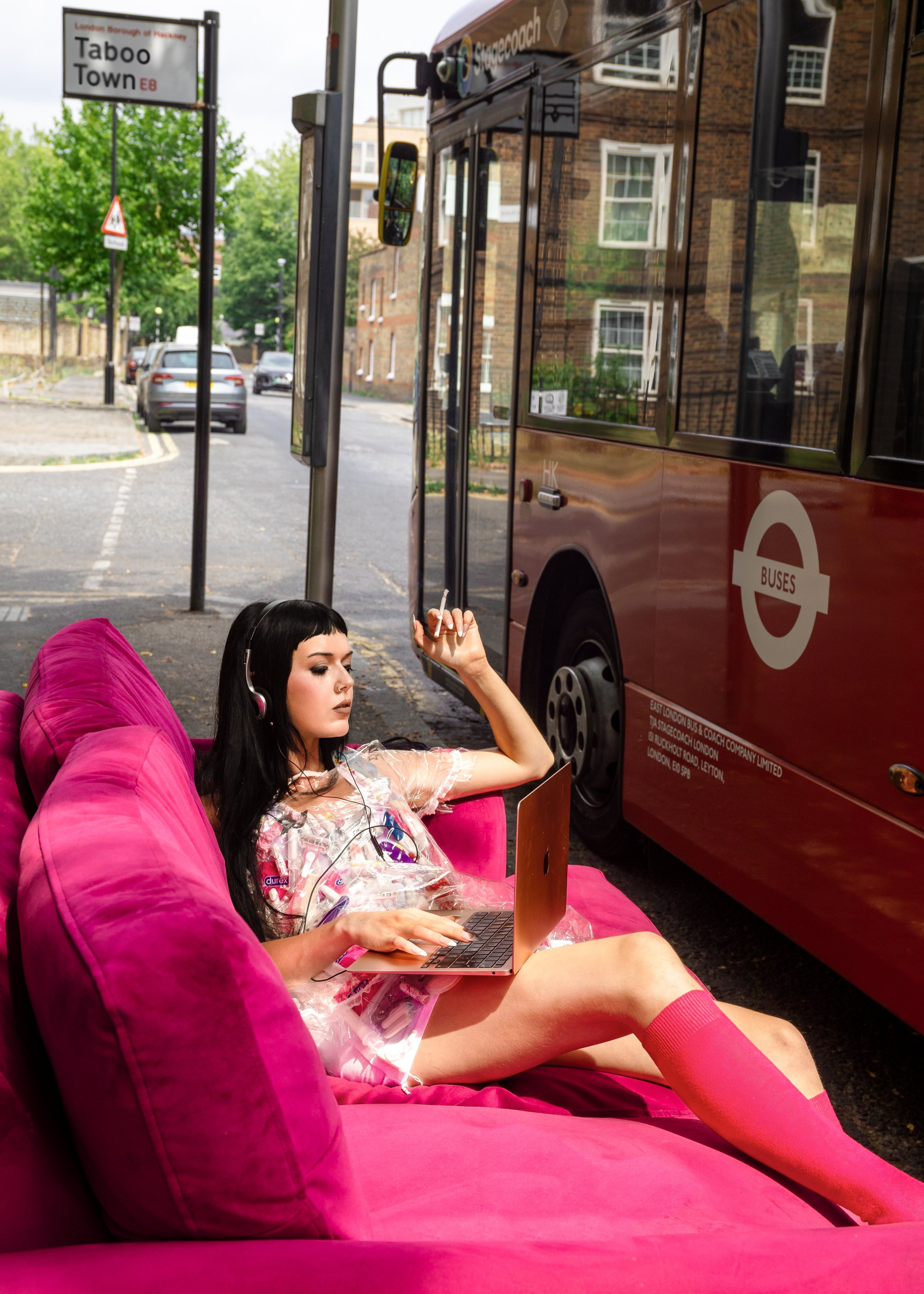
E.G: In a world that is in a digital space and often rewards “hot takes” and “Rage Bait”, your content often encourages thoughtful discussions, rather than black and white thinking. How do you invite your audience into those more nuanced conversations?
Zara: My content seeks to provide that more slowed down approach to topics, offering a thoughtful and established discussion, but I am aware that that entails the viewer also slowing down likely amid a ‘doom-scroll’. I try to invite that by making my content as engaging and accessible as possible through things like digestible language and references to pop-culture and trends. When content is easily consumable, I find my viewers are more likely to stay and engage in those conversations.
E.G: When watching your content, your conversations feel considered and well researched, What does your research process look like before you hit record?
Zara: My research approach largely differs based on the nature of the topic. Some require more thorough investigation such as interviewing individuals or involving myself in online communities. A recent episode I did on working class mockery on social media took me months of reading books, journals, reddit forums and consuming this content to comprise my full analysis. Yet some topics stem more from internet trends or personal experiences so can take just a week to research and script. It largely depends, but I definitely prefer the ones that enable me to get fully enmeshed in my research and investigation. It is clear that I miss studying at university!
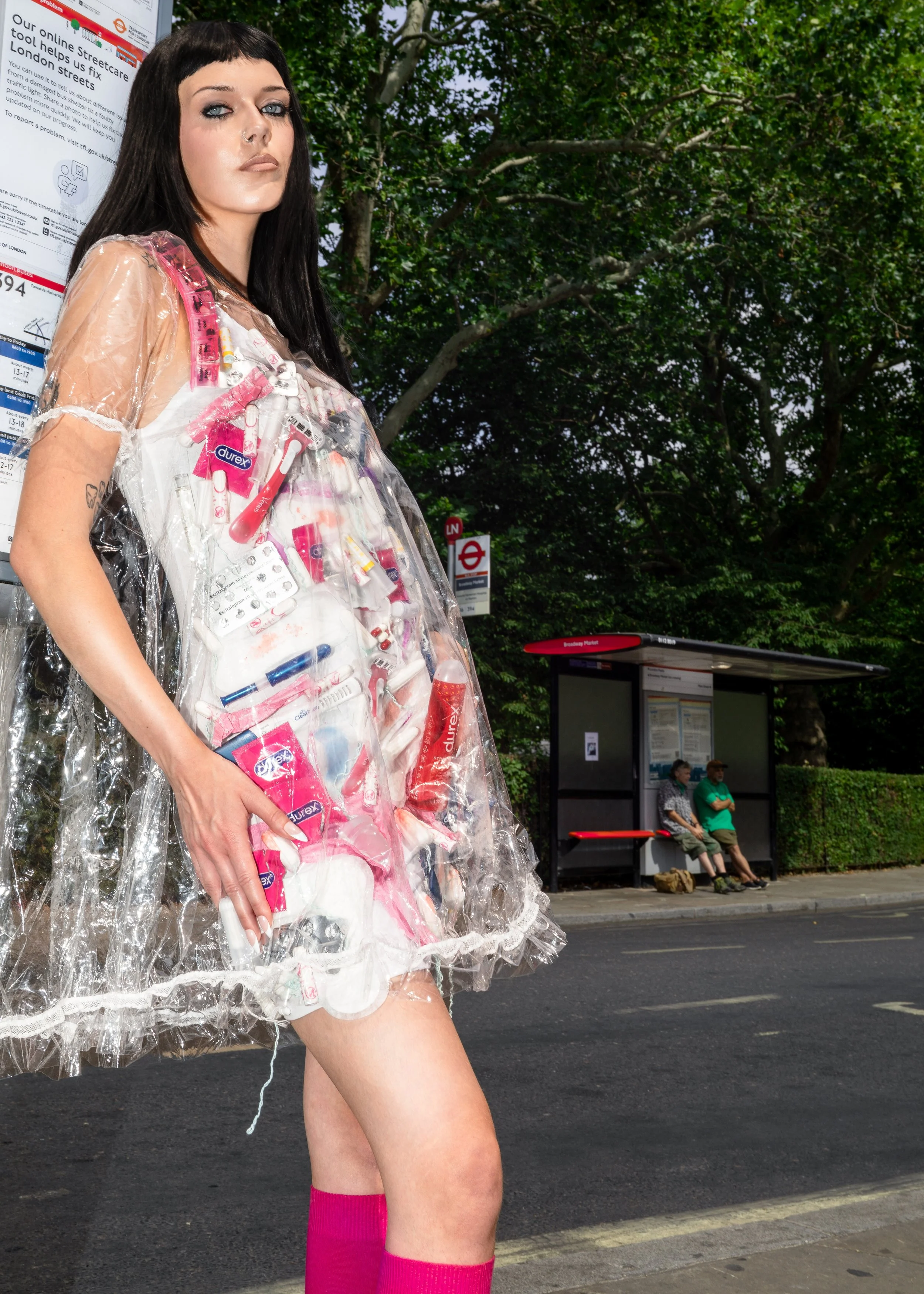
Fashion appears in your work not just as clothing, but as a lens for discussing identity, politics, class and technology. Why do you think fashion is such a revealing cultural language?
Fashion is a political act, and one that is so visible on its holder which inevitably is why it is so revealing. Whether intentional or not, most of the stylistic and identity based choices we make carry political codes, and it is very interesting to analyse that. We wear a lot of our politics on our body and the more I research these intersections, the harder it is to engage with certain style choices or aesthetics without that lens of understanding.
E.G: Social media creators are often expected to package themselves into a recognisable brand. Do you ever worry that audiences stop seeing the person and only see the “content"?
Zara: I think we risk this happening when we slot ourselves into fixed boxes. If all creators adhere to these ready-made packages often of ‘girl’, then we risk blending into one. I recently saw a creator refer to popular niche of creators online as ‘alo, pilates, matcha’. It’s lovely to be packaged into such a recognisable brand like that in the sense of finding your community, but it risks lumping these individuals together and viewing them solely for these traits and that content. That’s why I think it is great when creators share their super niche interests or hobbies online as a point of individuality and recognition - but again, that begins to question whether we need to give all of ourselves to the internet or not?
E.G: If someone binge watched everything you've made over the last three years, what misconception about you do you think they'd still have?
Zara: I have always been quite conscious of seeming “too analytical” to the point of not being fun to be around. My content is quite provoking and probing, quite like how my mum would describe me. But equally she sees the lighter, bubbly side that also exists within my character that doesn’t come through as much on the bus or in my video essays. I’ll never forget going on a first date and the girl telling me that her friend warned her about making jokes around me in case I wasn’t able to ‘have a laugh”. I promise there are two sides. While everything is political, there is also a lot of light in life that equally exists.
E.G: You're speaking to a generation that grew up online. What's one cultural shift you've witnessed in your audience that genuinely surprised you, for better or worse?
Zara: I’m often still surprised that even with the rising popularity and demand for short form content that YouTube content still attracts such an audience. So many of my viewers, like me, grew up watching long-form YouTube content and it surprises me that that demand has remained even as so many creators switched to a more fast-paced style. I think it is great to see, and for me to create. I love making deep-dives and vlogs, it is so fun and feels a lot more personal.
E.G: Imagine we're having this conversation again in ten years. What would you like the audience to say about your work and content; and the impact it has had?
Zara: I would love for them to say that I retained my integrity or depth, or if anything, that I got even more thorough and involved within my research, I’d love to see that come through in more in-person, investigative work, and I think I’m definitely carving space and opportunity for that to occur in the coming years! If I can continue to make an impact through breaking taboos and educating people online then I will be so pleased!
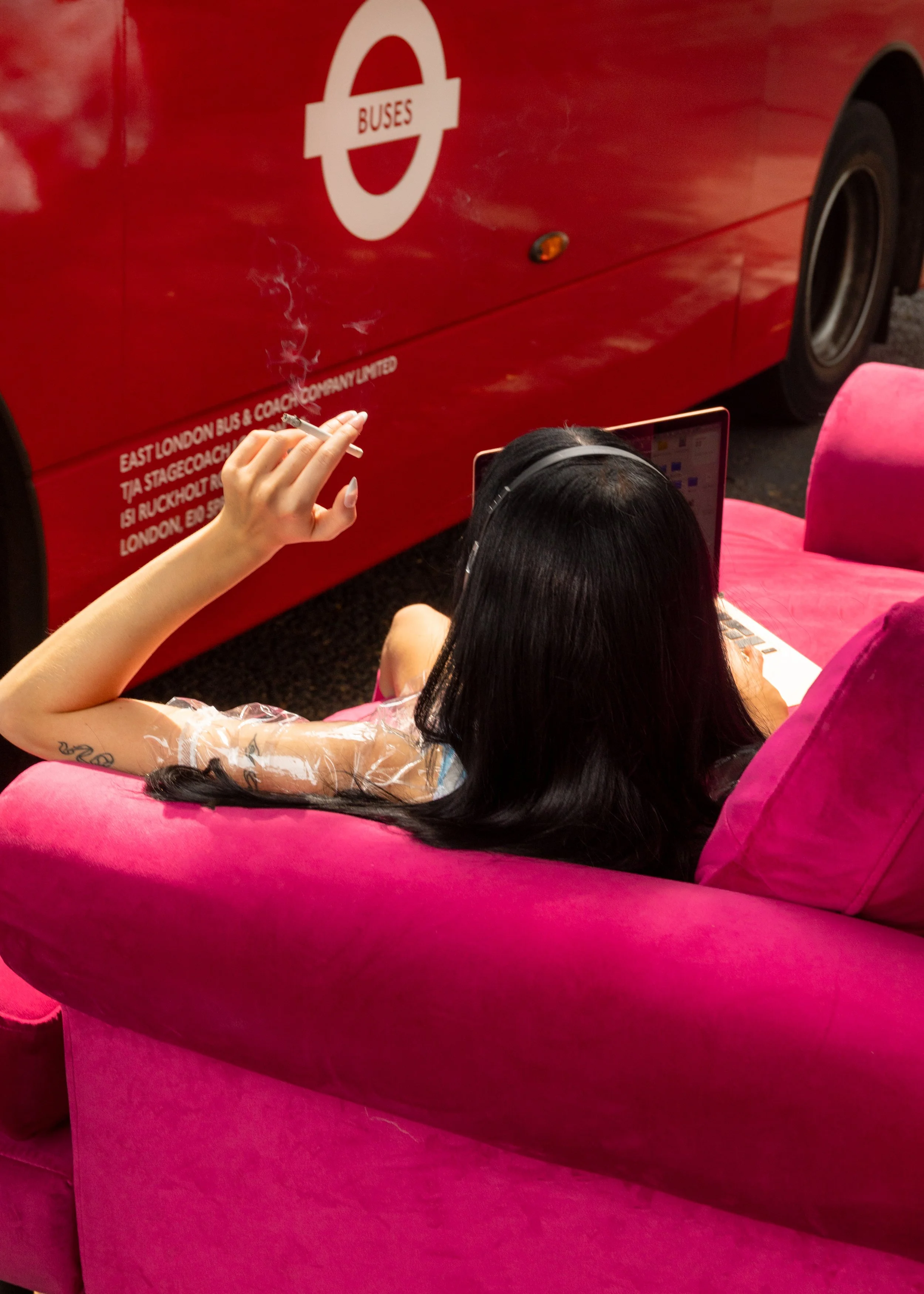
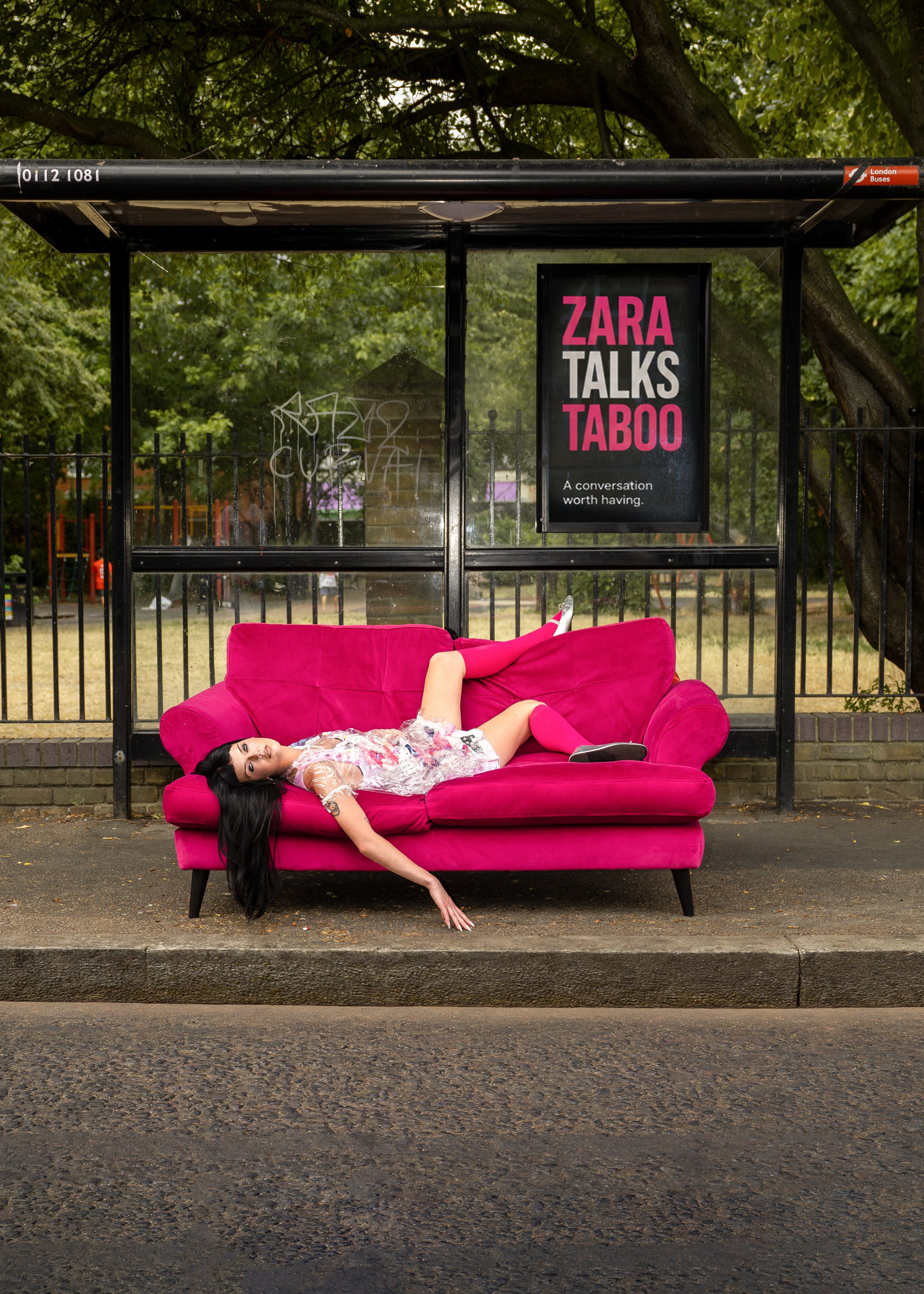
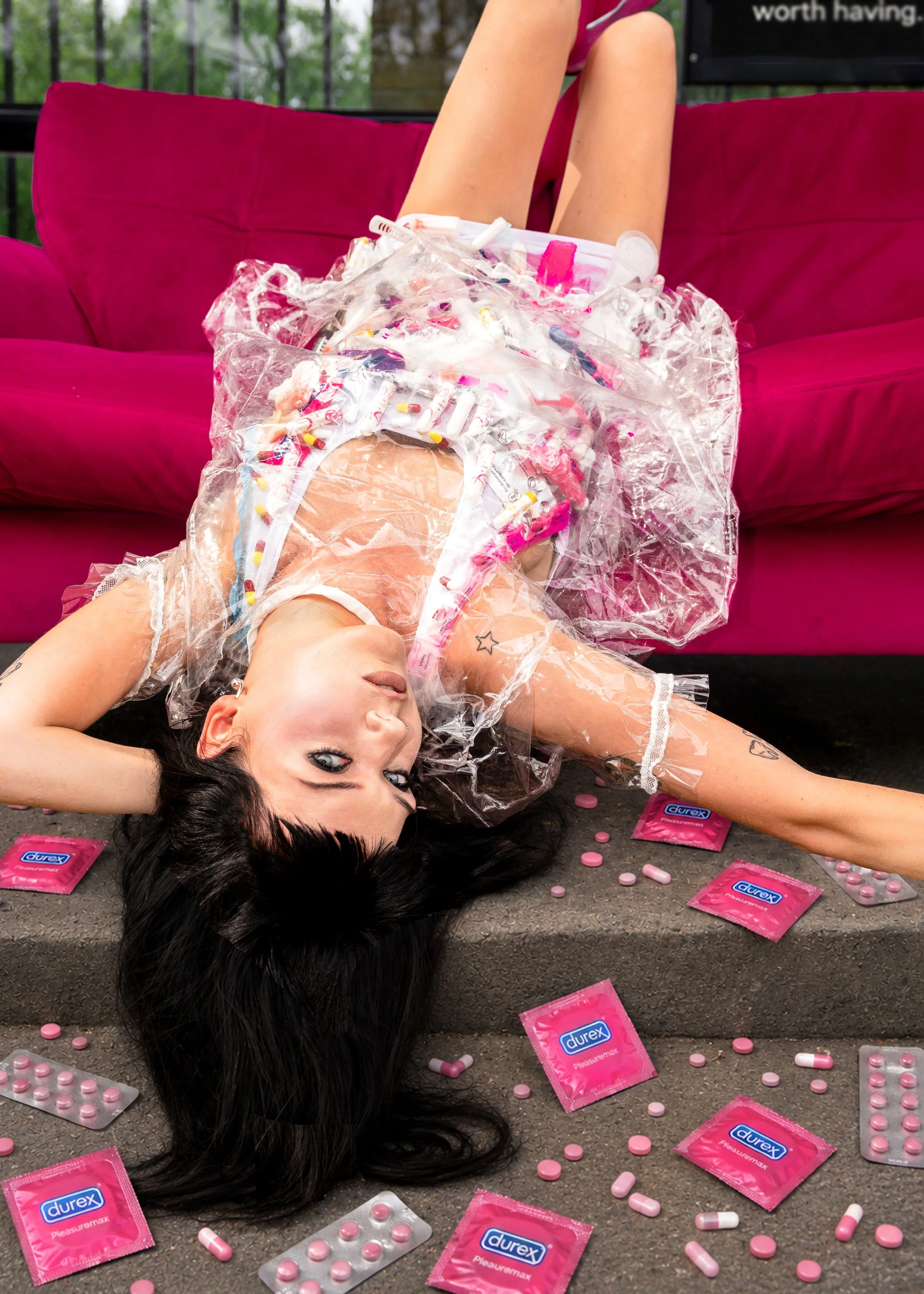
Talent: @whatzaraloves
Director & Stylist: @wohiviacreates
Photography: @beccageden
Makeup: @lilybellllle
Set Design: @ggoldbart
Nails: @mhchi28_2
Fashion Intern: @gretachiesi
Talent Management: @84world_
Dress: @wohiviacreates
Jewellery: @annabel.b.jewellery
