
Your Mother, Your Mother, Your Mother
The Shoes Men Cannot Fill
Writer: Anya Duncan
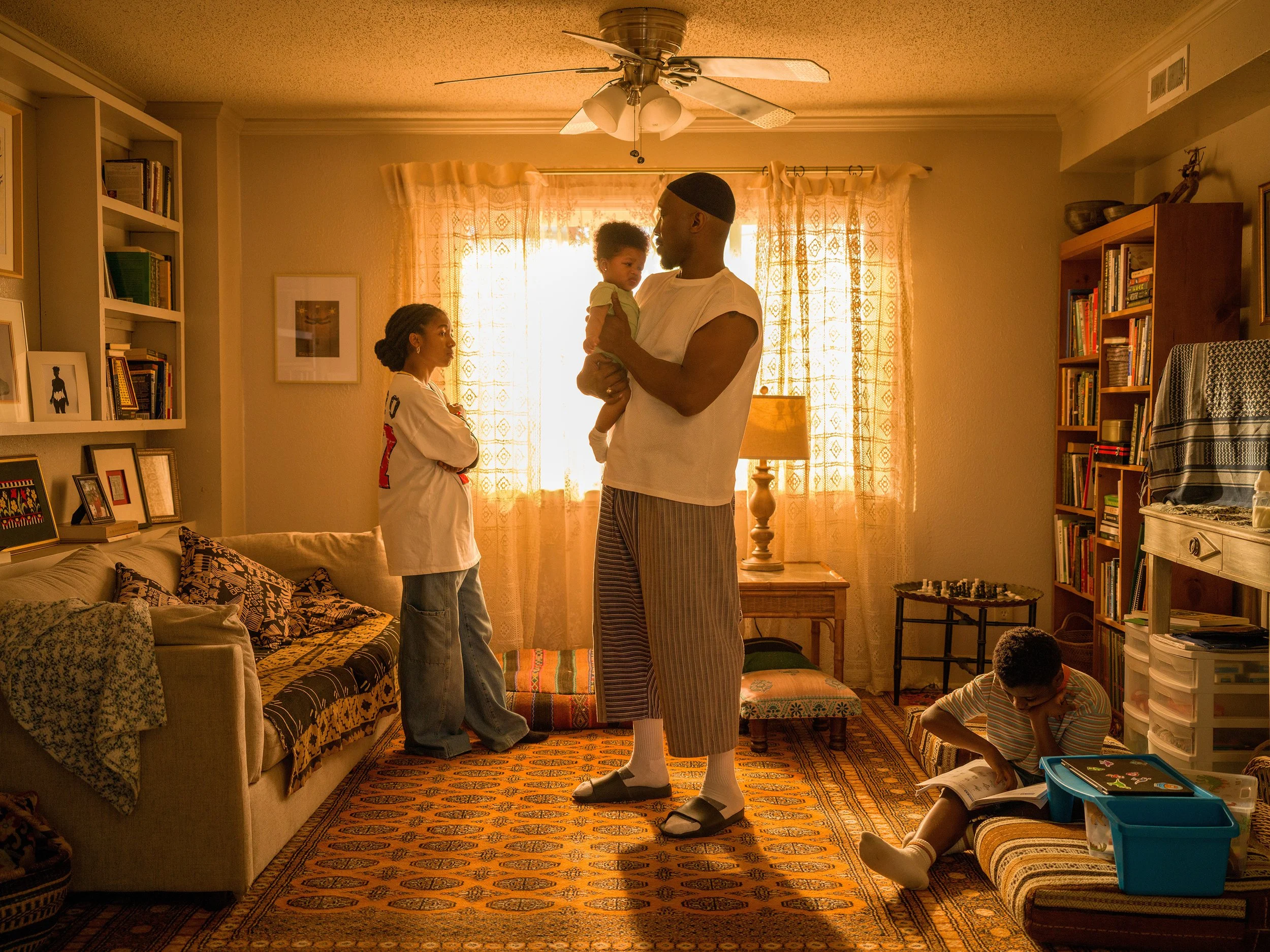
Your Mother, Your Mother, Your Mother...not what I expected. The film opens with a conversation between Fatiha and Qadir, as Fatiha recites a passage from the Muslim faith. The Prophet is asked three times who deserves a person's greatest kindness, and three times the answer is the same: your mother. A simple sentiment, perhaps. But one that reverberates through this film like a prayer.
Following the death of his wife, Latif (Mahershala Ali), a hitman and grieving father, is left to raise his children while trying to navigate the dangerous world of his other life. Among them is baby Zizi, who cannot keep down formula and needs breast milk to survive. As Latif struggles to care for his family and fill the enormous absence his wife has left behind, his attempts to hold everything together draw his violent underworld into the very heart of his home. What follows is a chain of desperate decisions, misjudgments, and consequences that leads towards tragedy and an unexpected reckoning with faith. Motherhood haunts this story.
I found the film's structure incredibly impressive. Every decision Latif makes seems to lead, inevitably, towards the tragedy that follows. Nothing feels wasted. No misjudgment exists without consequence. The story unfolds like a chain of small disasters, each one pulling us closer to the inevitable. And yet, Latif is not a man acting out of malice. He is a father desperately trying to fill the shoes of his wife, doing what he believes is best with the tools he has.
Perhaps the most devastating example is his attempt to feed Zizi. What might seem like a practical problem becomes the film's most consequential turning point. The hole left by the mother becomes a doorway through which Latif's violent, clandestine life enters his domestic world. His inability to replace her care exposes the limits of his love, and the consequences are catastrophic.
The mother is gone, but her absence is the film's most powerful presence.
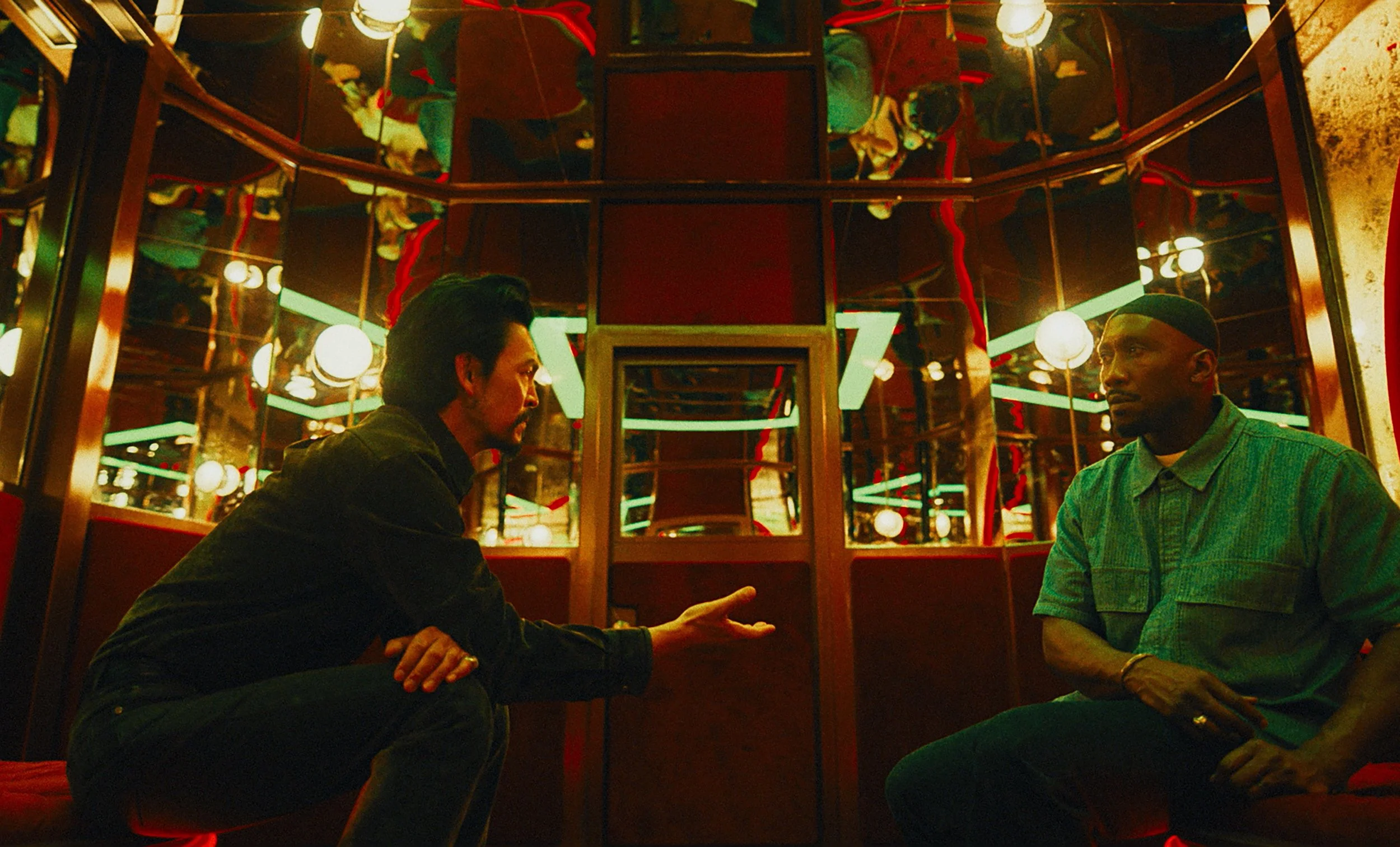
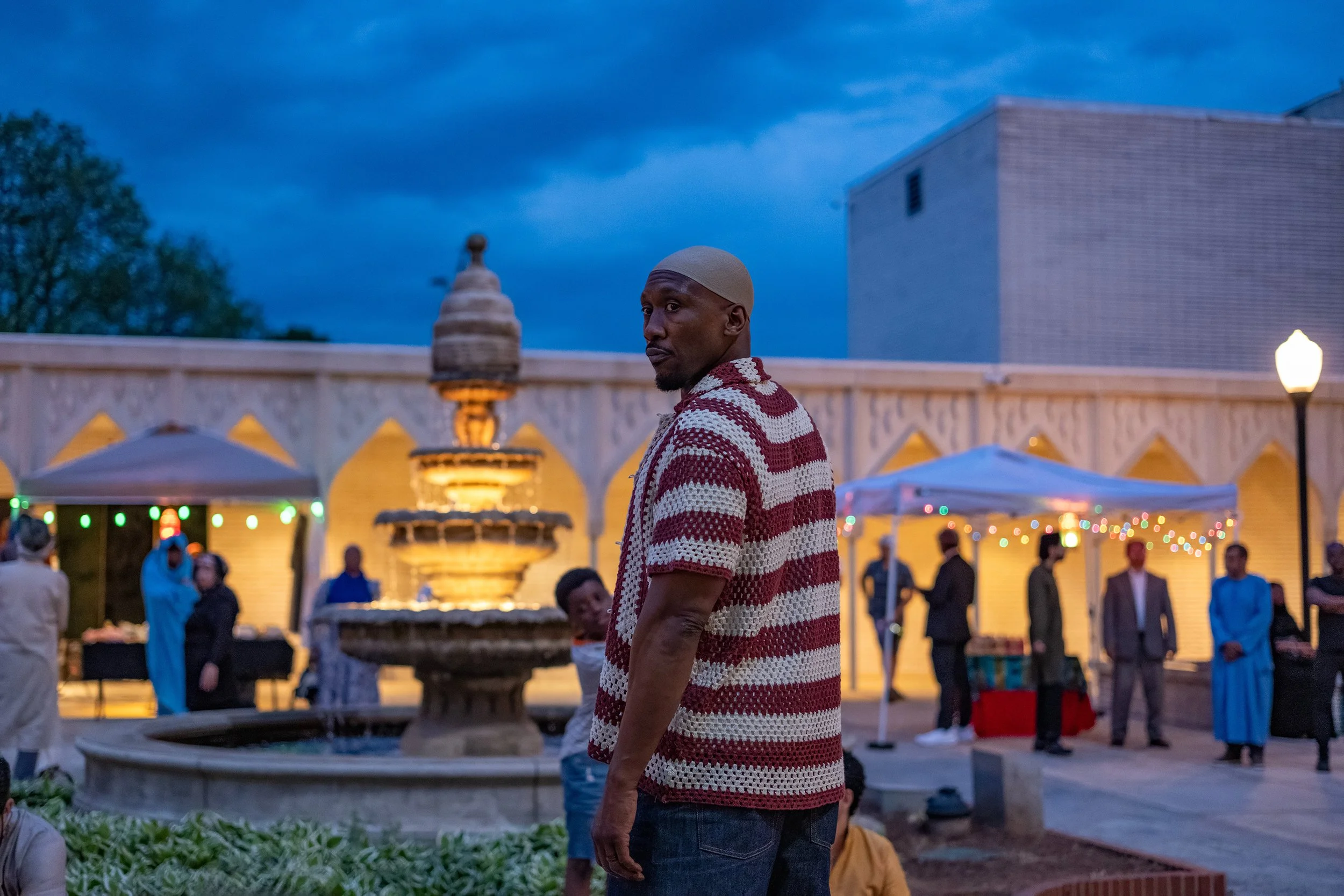
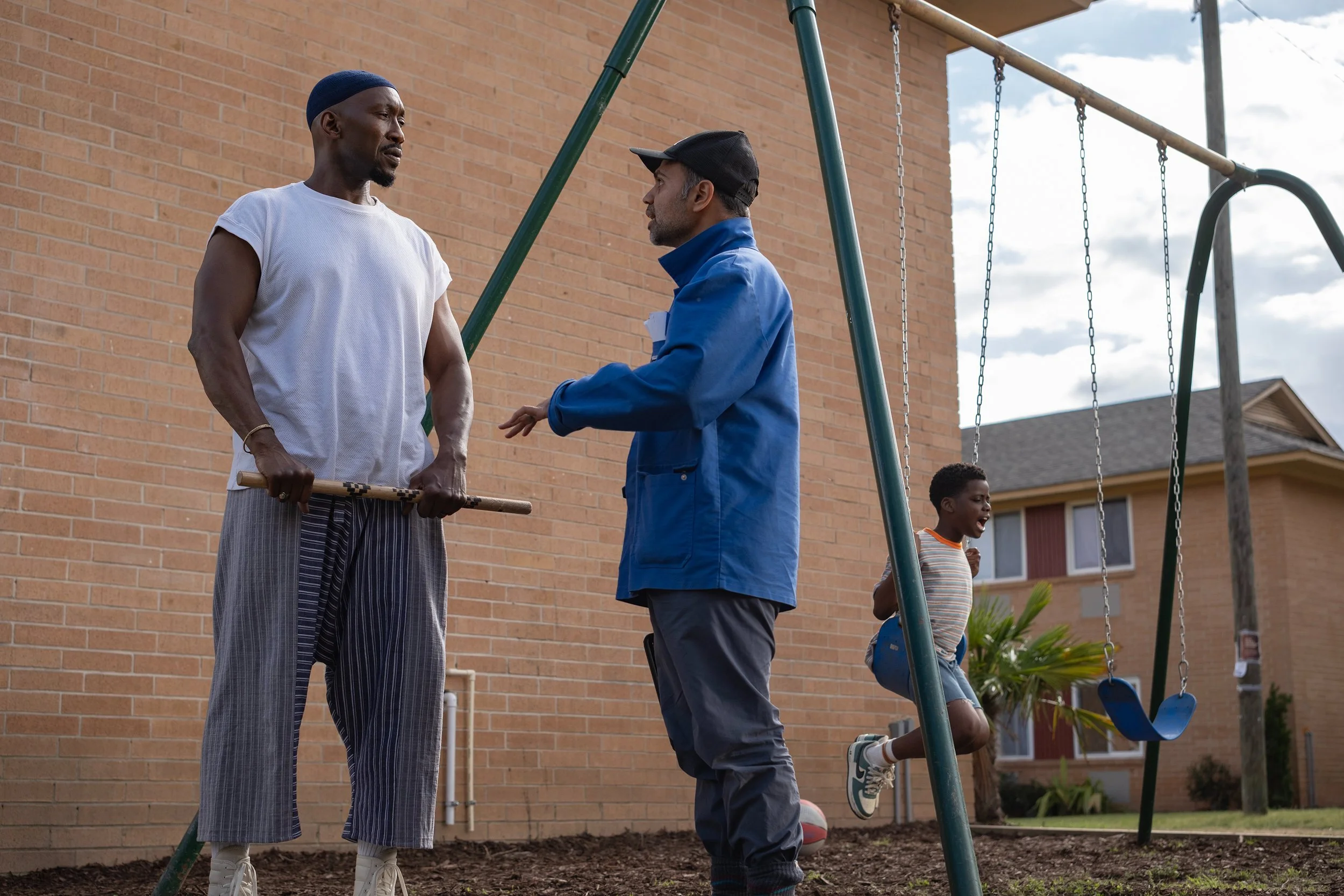
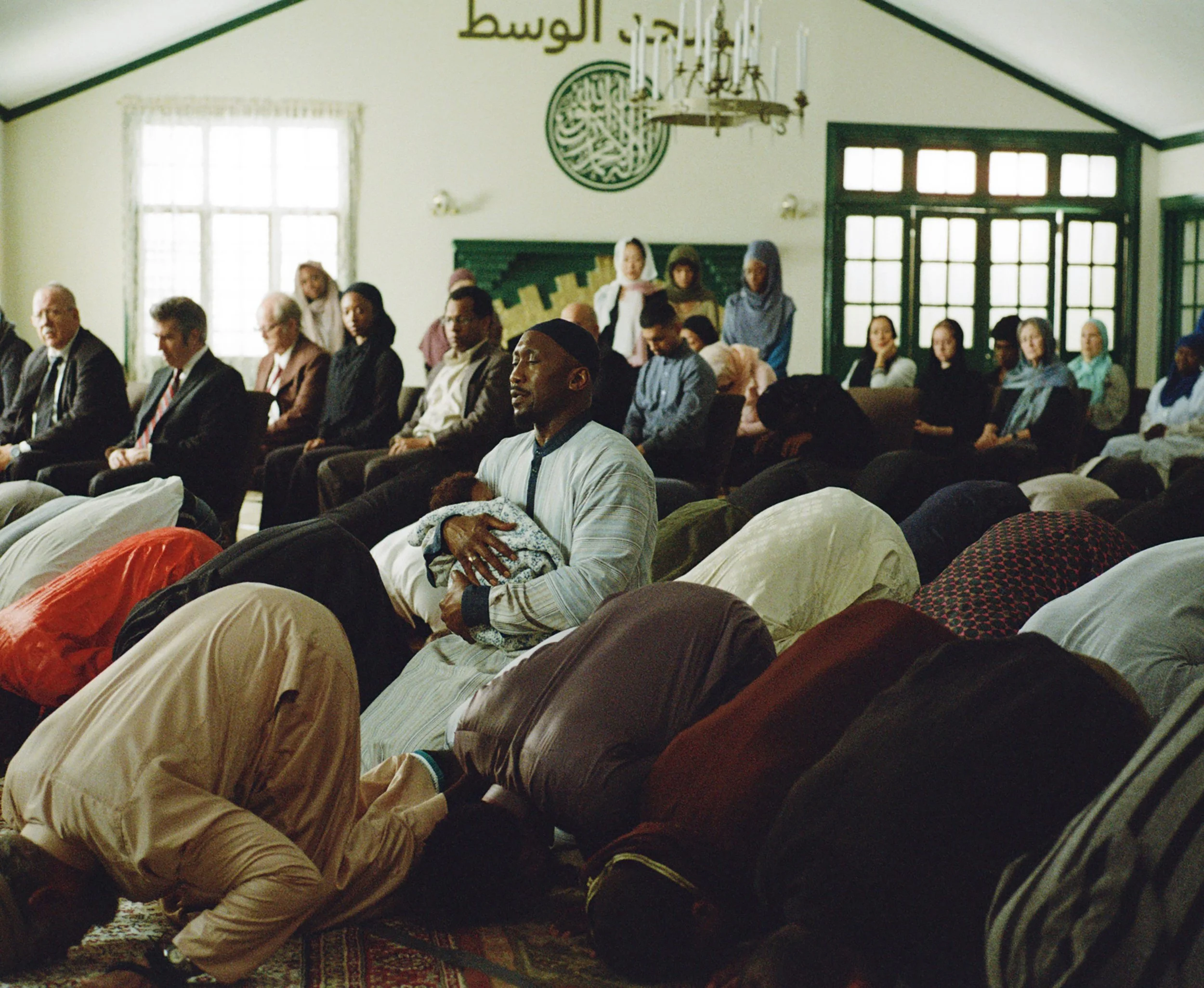
The final scenes moved me deeply. I am not usually drawn to films that lean heavily on religion, particularly when faith is presented as some mystical saviour, arriving to tidy up the mess of human suffering. Here, however, I found the religious elements both relevant and beautiful. Faith is not offered as a simple escape from violence. Instead, it exists alongside it, sometimes enabling destruction, sometimes offering the possibility of healing.
I was especially struck by the parallel between Latif and one of the film's villains, Pastor Hwan (John Cho). Despite their differences, both men are brought to the same moment of salvation: a woman in their lives, begging for their survival. It is a striking symmetry, and one that speaks to the film's deeper understanding of power, vulnerability, and redemption. Both actors did an incredible job of sucking you deep into their characters' orbits. They were powerful adversaries on screen, both with a palpable undercurrent of power.
It seems to me that femininity's touch is championed throughout this film. The men destroy; the women heal. The men stumble through their attempts at authority, while the women become the emotional and spiritual force that holds the world together. Even Latif, a man capable of violence and control, is revealed to be profoundly inadequate when confronted with the tenderness motherhood requires.
Near the end of the film, Qadir puts words to this feeling. He tells his sister that he would need to fill shoes three times his size to match their mother. What a powerful sentiment.
That is what stayed with me long after the film ended. Beneath its violence, its tragedy, and its spiritual questions lies a tender recognition of the women whose care makes survival possible. Your mother, your mother, your mother. A reminder of who deserves our kindness. And perhaps, of the shoes we should never assume we can fill.
