
Fatherland
Shows Us the Difference Between Our Home and Homeland
Writer: Anya Duncan
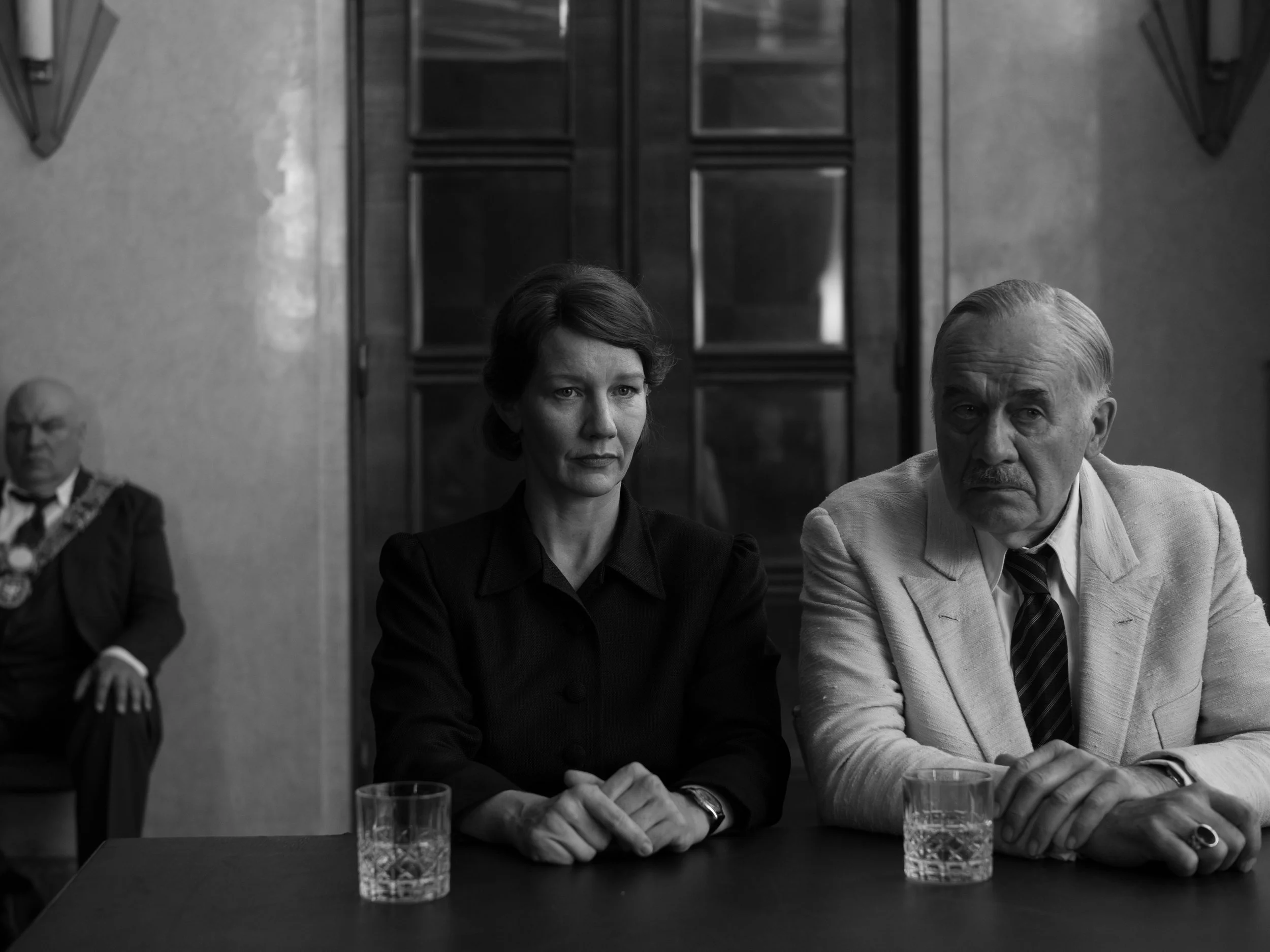
Fatherland is a very well-considered film.
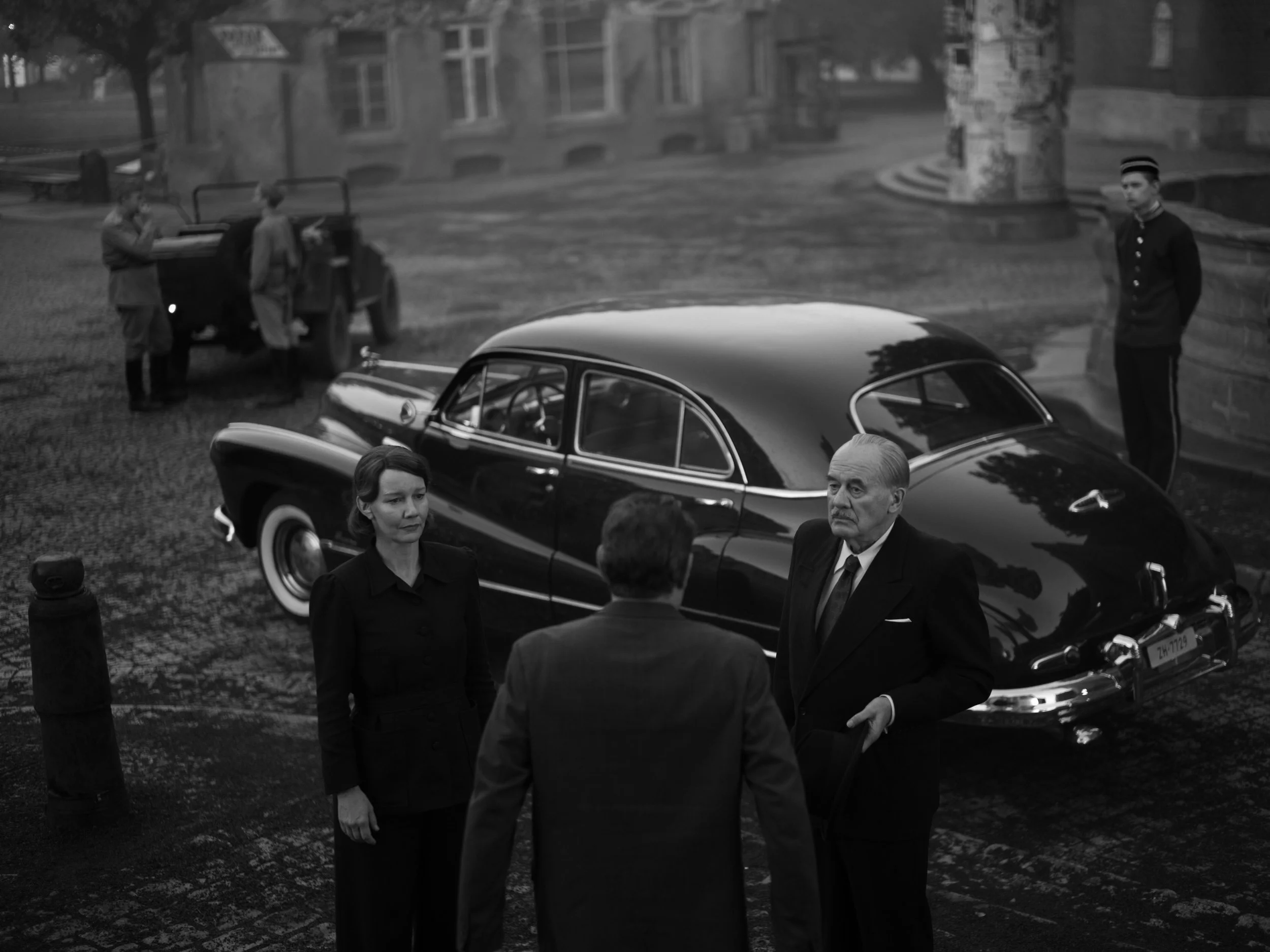
Entirely in black and white, it immediately places you within the world of 1949 Germany, a country attempting to rebuild itself in the aftermath of the Second World War. Directed by Paweł Pawlikowski, the film follows world-famous German writer Thomas Mann, played by Hanns Zischler, and his daughter Erika, played by Sandra Hüller, as they travel through a divided homeland. Their journey takes them from American-controlled West Germany to Soviet-controlled East Germany, offering a glimpse into a country still reeling from the consequences of Hitler and the Nazi Party. When news of a devastating family tragedy reaches them, their journey becomes something far more personal than a return home.
Watching this beautifully framed film, I kept recalling a quote from, bizarrely, Captain America: The First Avenger: "The first country that Germany invaded was its own."
It may seem a silly thing to quote in a review for a film as emotive and intelligent as Fatherland, but it feels remarkably apt. Because what Pawlikowski captures so beautifully is the devastation of a country that did not simply lose a war, but had already begun destroying itself long before the war was over.
You see the lingering effects of that first invasion everywhere. In the suspicion directed towards educated professors and literary individuals. In the uncomfortable relationship between art and politics. In the fractured families, the ideological divisions, and the people who are left wondering whether the country they once called home is somewhere they can ever belong again.
The film is particularly interested in the fate of those who opposed Nazism, or who found themselves exiled by it, only to return to a Germany that is not quite the place they remember. The war may be over, but its consequences are not. Instead, the claws of both the Russians and the Americans begin to dig slowly into the flesh of Germany's remains, each promising a different future for a country that has barely had the chance to mourn its past.
And what a strange, disappointing thing it must be to return home expecting to find something recognizable, only to discover that the world has continued to change without you.
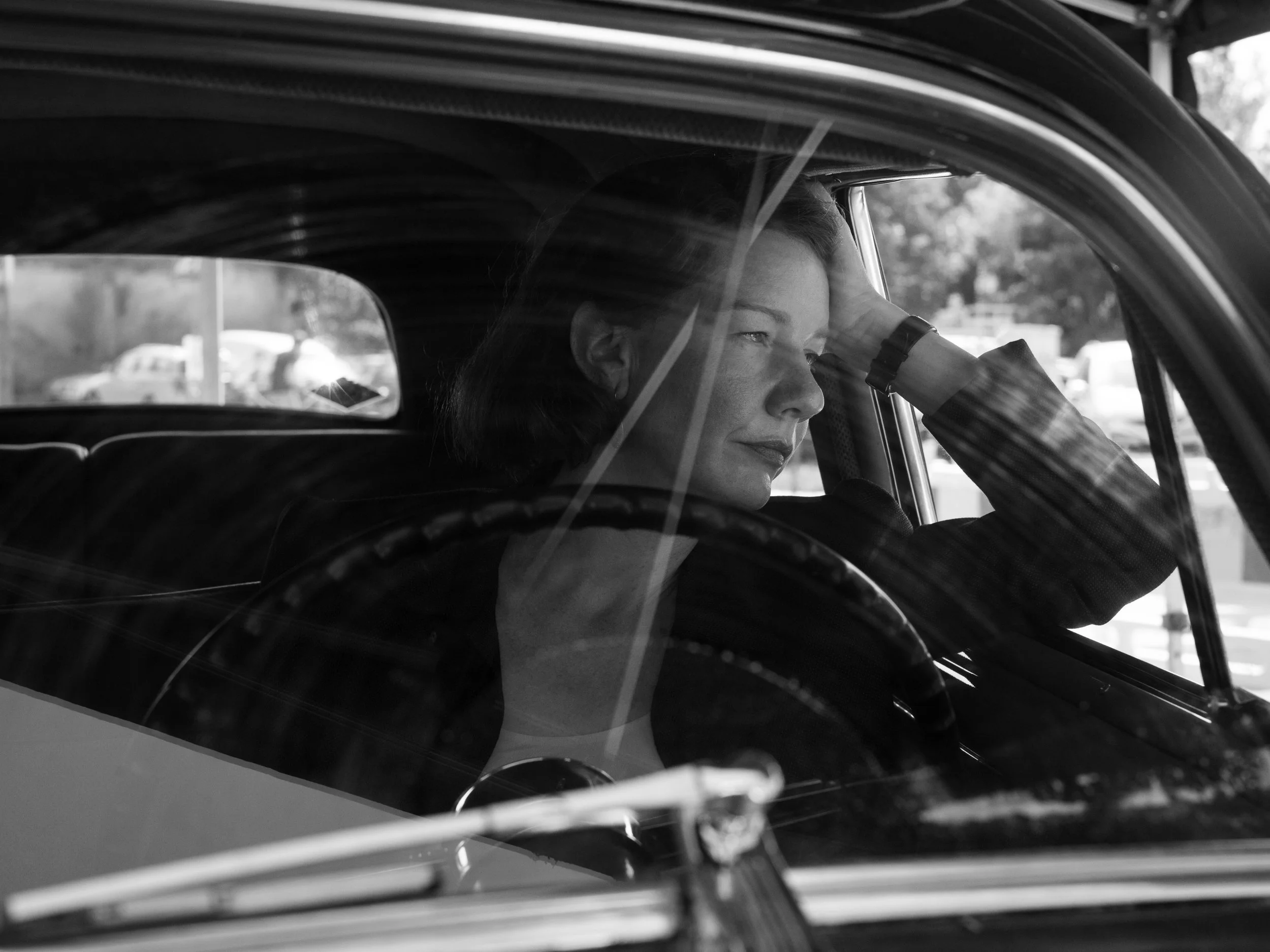
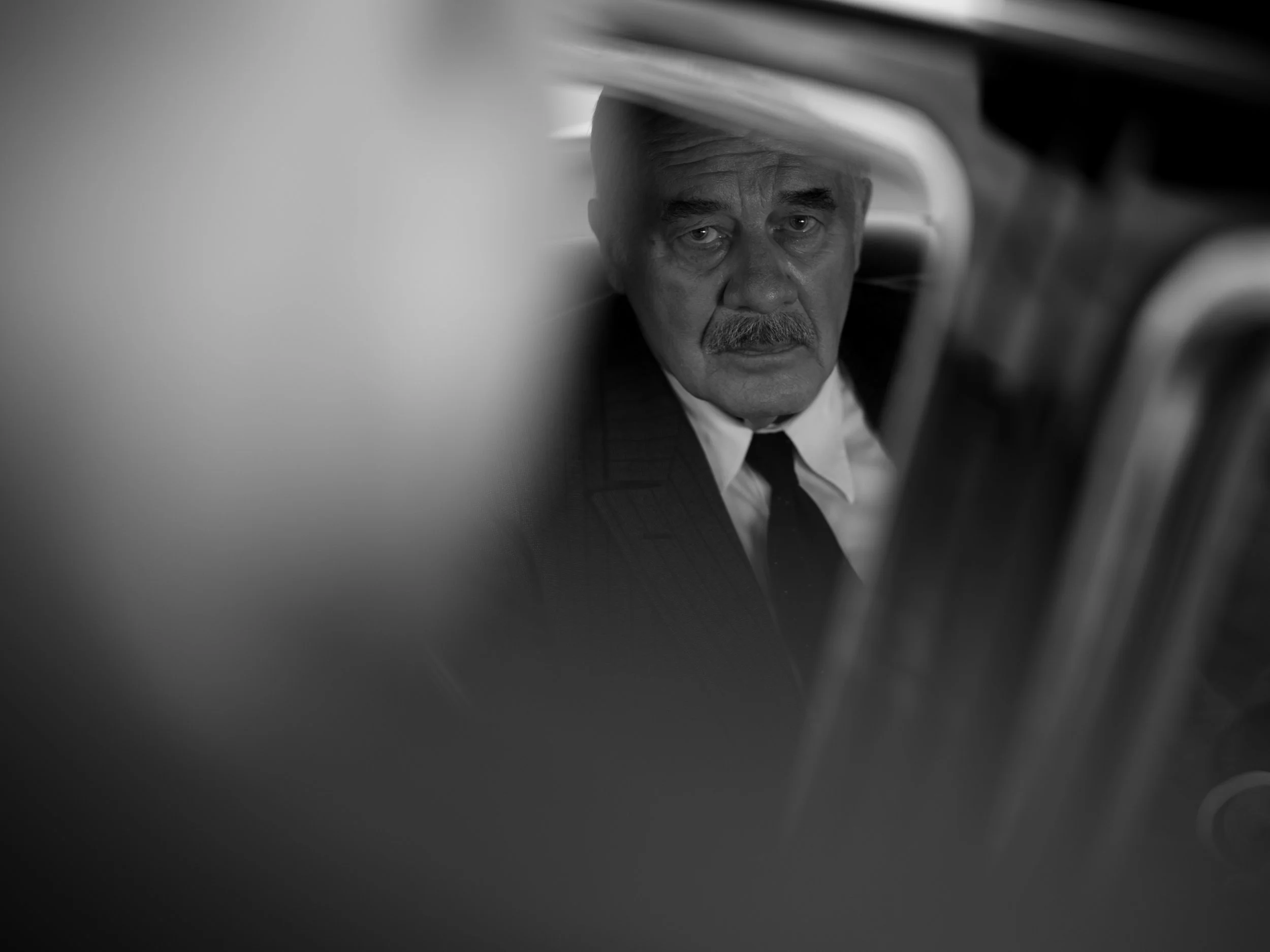
Hanns Zischler plays Thomas Mann with a certain intellectual restraint, embodying a man whose stature as a writer cannot shield him from the disillusionment of his return. There is a quietness to his performance that feels entirely appropriate for a character attempting to reconcile the Germany he hoped to find with the one standing before him. Sandra Hüller, meanwhile, brings a compelling emotional intelligence to Erika. She is not simply her father's companion on this journey, but a woman carrying her own grief, political convictions, and complicated relationship with the country they are traversing. Their dynamic gives the film its emotional grounding, allowing its larger historical questions to unfold through the intimacy of a father and daughter. August Diehl, as Thomas's son Klaus, also leaves a lasting impression.
Although his presence is brief, his despair casts a long shadow over the journey that follows.
It is important to note that neither Erika nor Klaus wanted to return to Germany after the atrocities of the Nazi regime. It was their father who encouraged Erika to make the journey, seemingly holding on to the hope that the country might have become something different from the one they had left behind.
And I found myself wondering whether this was an act of idealistic hope on his part. Perhaps he wanted to believe that Germany could be reclaimed. That the country which had once fostered such extraordinary literary and intellectual life might find its way back to itself. I don't know. I do know that this was clearly not the Germany he wanted to see.
And I think that is one of the film's most affecting themes: the distance between the country as an idea and the country as it exists in reality. We attach so much of ourselves to the places we come from. They become repositories for our childhoods, our memories, our identities. We imagine that, should we ever return, some part of us will be waiting there.
But what happens when the place you remember no longer exists? What happens when the home you long for has become something you cannot recognise, or something you can no longer bear to love?
Pawlikowski's decision to film entirely in black and white feels integral to this exploration. There is no romanticising the past here, no softening the edges of history with the comforting warmth of colour. The cinematography lends the film a starkness that mirrors its characters' disillusionment, while allowing the beauty of its compositions to emerge from the bleakness.
Ultimately, Fatherland is about the people who must live with what that country has done, and the impossible question of whether a homeland can ever be separated from its sins.
