
Artificial
Andrew Garfield Delivers a Chilling Portrait of the Men Building Our AI Future
Writer: Anya Duncan
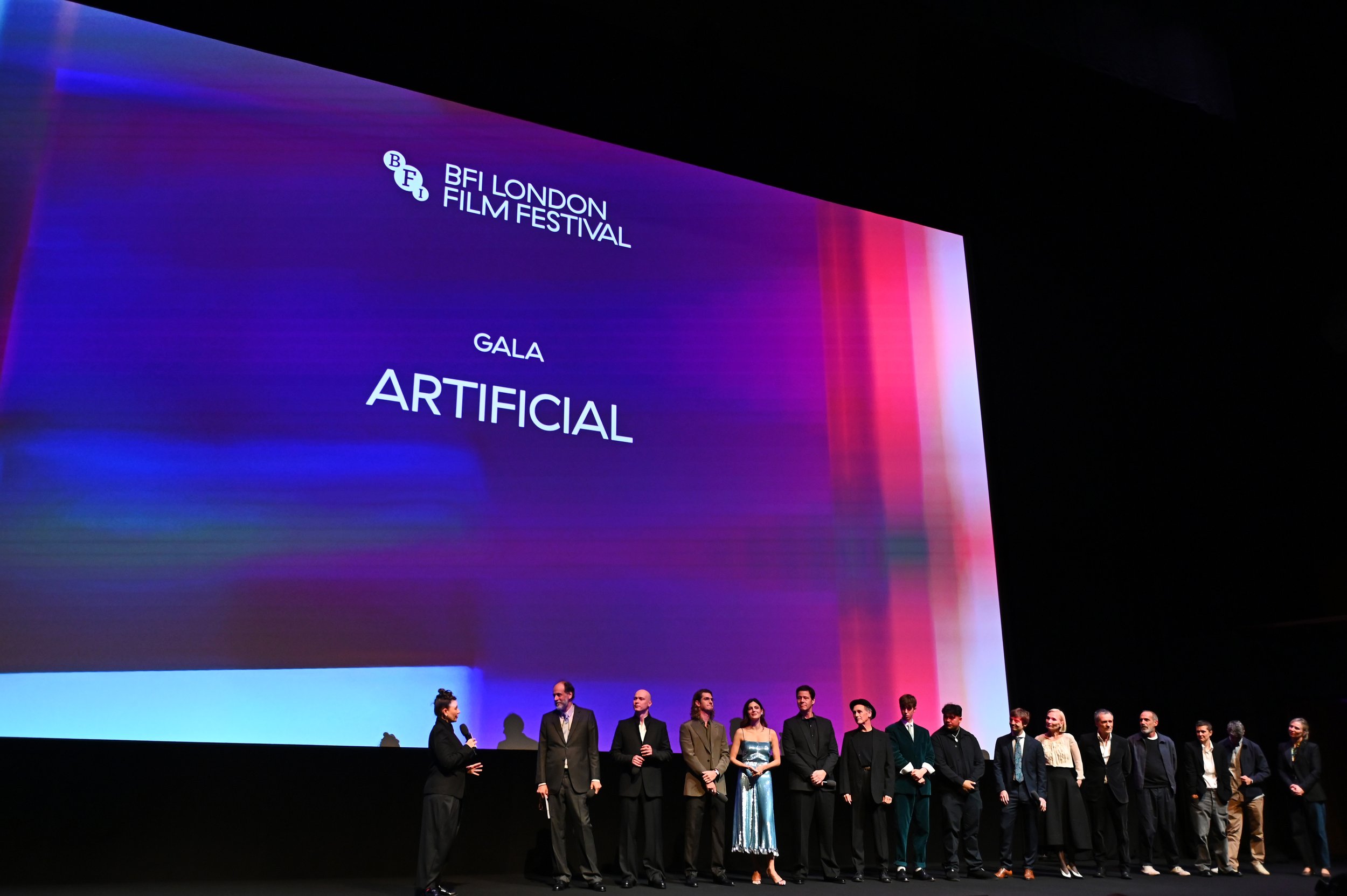
Artificial is a deeply political, unsettling examination of Silicon Valley’s most powerful men, with Andrew Garfield disappearing into a performance that could put him firmly in the Oscar conversation.
I came out of Luca Guadagnino’s most recent feature with a sense of foreboding, and I'm incredibly happy to bear it. I think that's exactly the feeling that any film about generative AI should leave you with. To treat this technology as some trivial, non-threatening companion is dangerous, and I'm glad Luca Guadagnino seems to understand that. There is a joke hidden beneath this drama - one that points and laughs at the people building the systems that could reshape our world.
But this joke is also turned on us. It reveals how ill-equipped these AI scientists are to understand the consequences of their own creations, and laughs at how ready we are to put our lives in their hands.
Artificial feels like a brutally blunt warning about the men who have positioned themselves at the centre of humanity's next great technological revolution. And, in Andrew Garfield, Guadagnino has found the perfect instrument through which to deliver it.
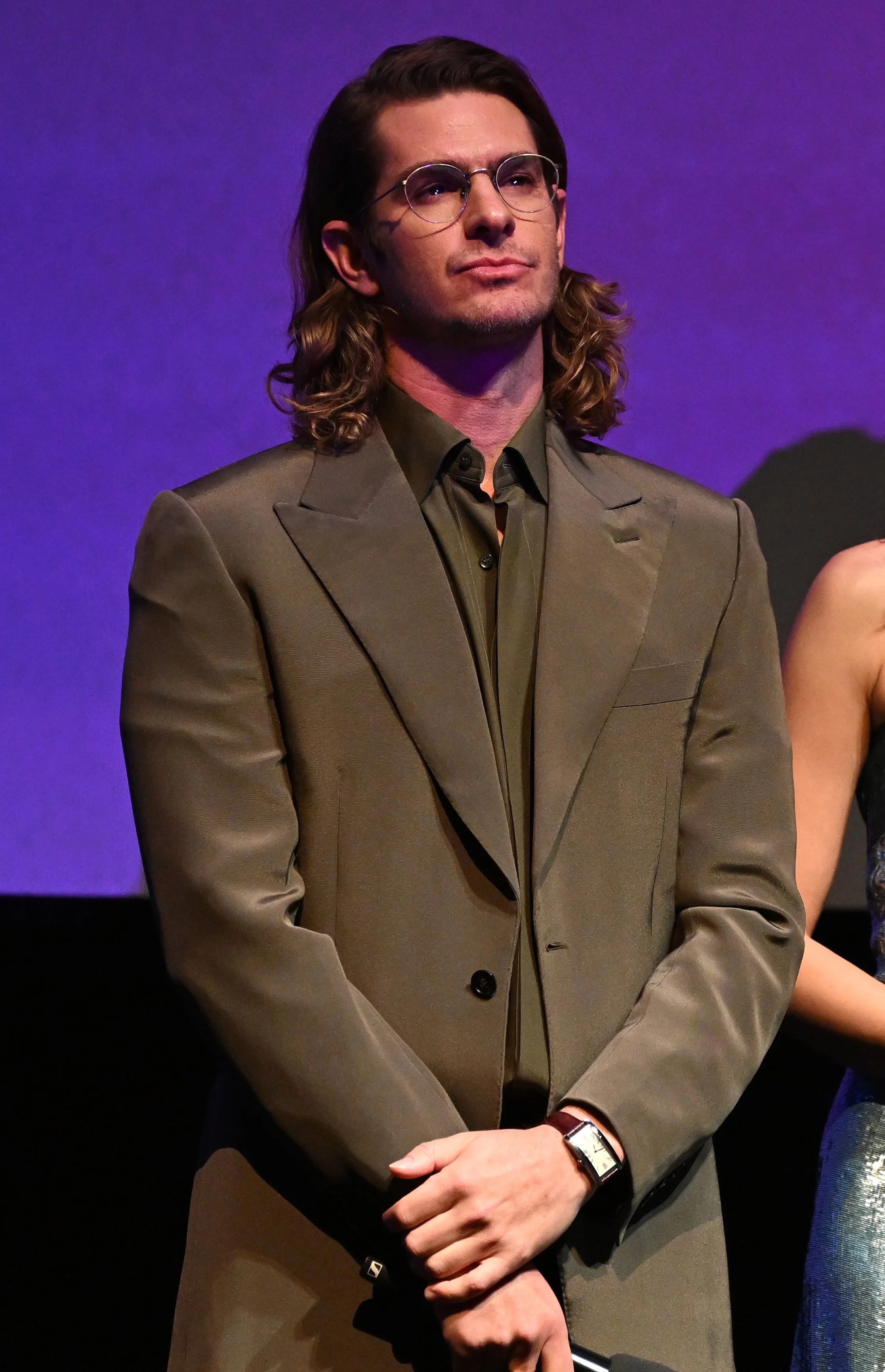
Garfield absolutely shines here. He moulds himself around Sam Altman until everything I associate with the actor disappears. His physicality is extraordinary, from the way he carries himself to the subtle mannerisms that make his portrayal feel so distinct from his previous work. He seems to have studied the very mechanics of his subject, constructing a character who feels pathetic, narcissistic, manipulative and relentlessly focused on profit.
It will be a hard-fought Oscar season, but I sincerely hope Garfield finds himself among the favourites. Performances of this calibre deserve recognition, particularly when they require an actor to dismantle so completely the audience's existing perception of him.
Alongside Garfield, seemingly every founding member of OpenAI is portrayed unkindly.
At times, the company feels less like a pioneering technology firm and more like a massive frat house, fuelled by laddish bravado and the collective conviction that its members are destined to change the world. Then, almost imperceptibly, that frat house becomes a cult, its members wriggling towards some shared revelation as they attempt to feel AGI.
It's a bizarre transformation, but a revealing one.
Beneath the grand declarations about artificial general intelligence lies a distinctly human need for validation, power and recognition. I think that's important. Guadagnino isn't suggesting that these men are making mistakes; he's questioning the culture that allows them to make decisions with potentially enormous consequences while surrounding themselves with people who reinforce their convictions.
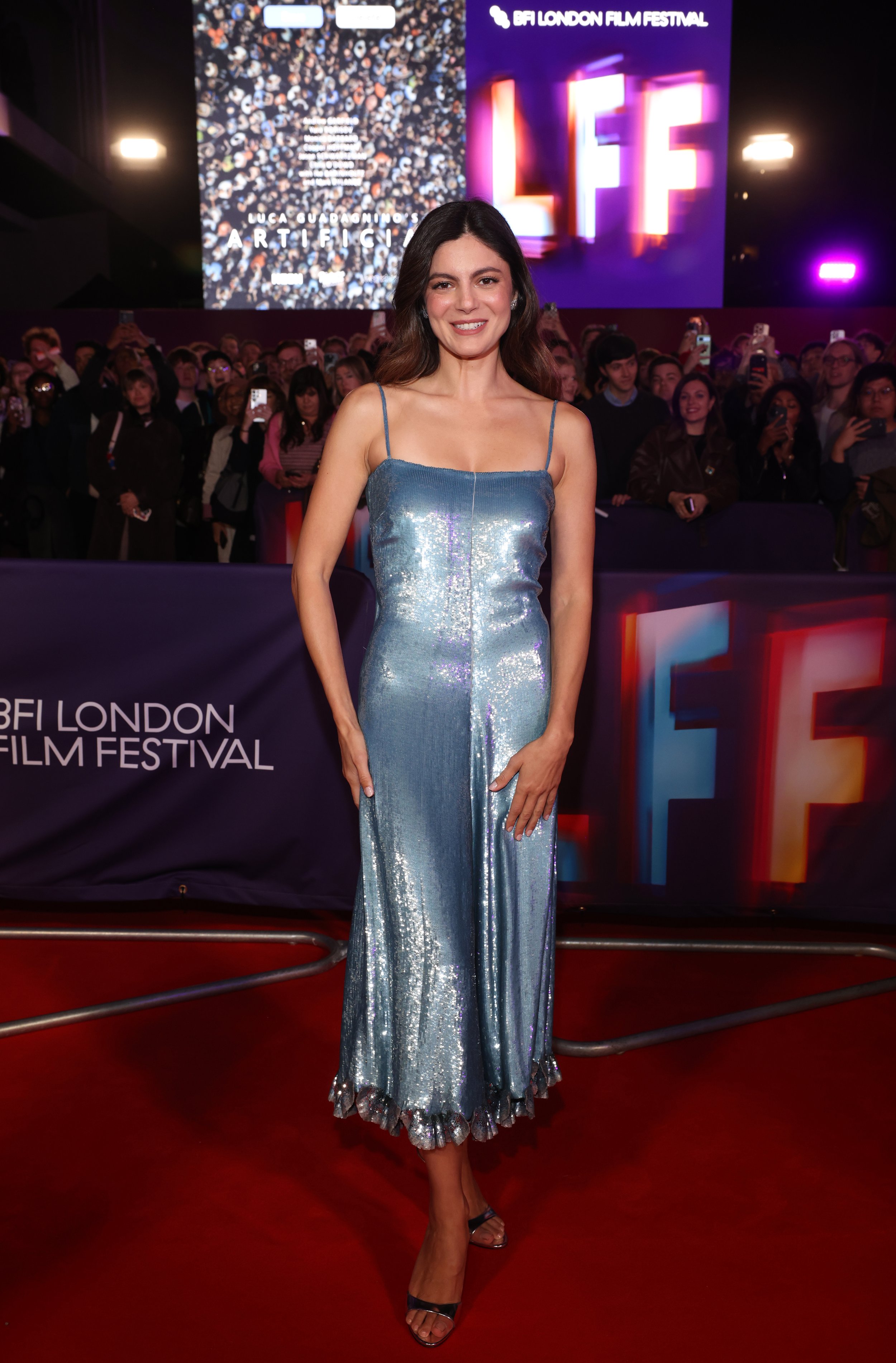
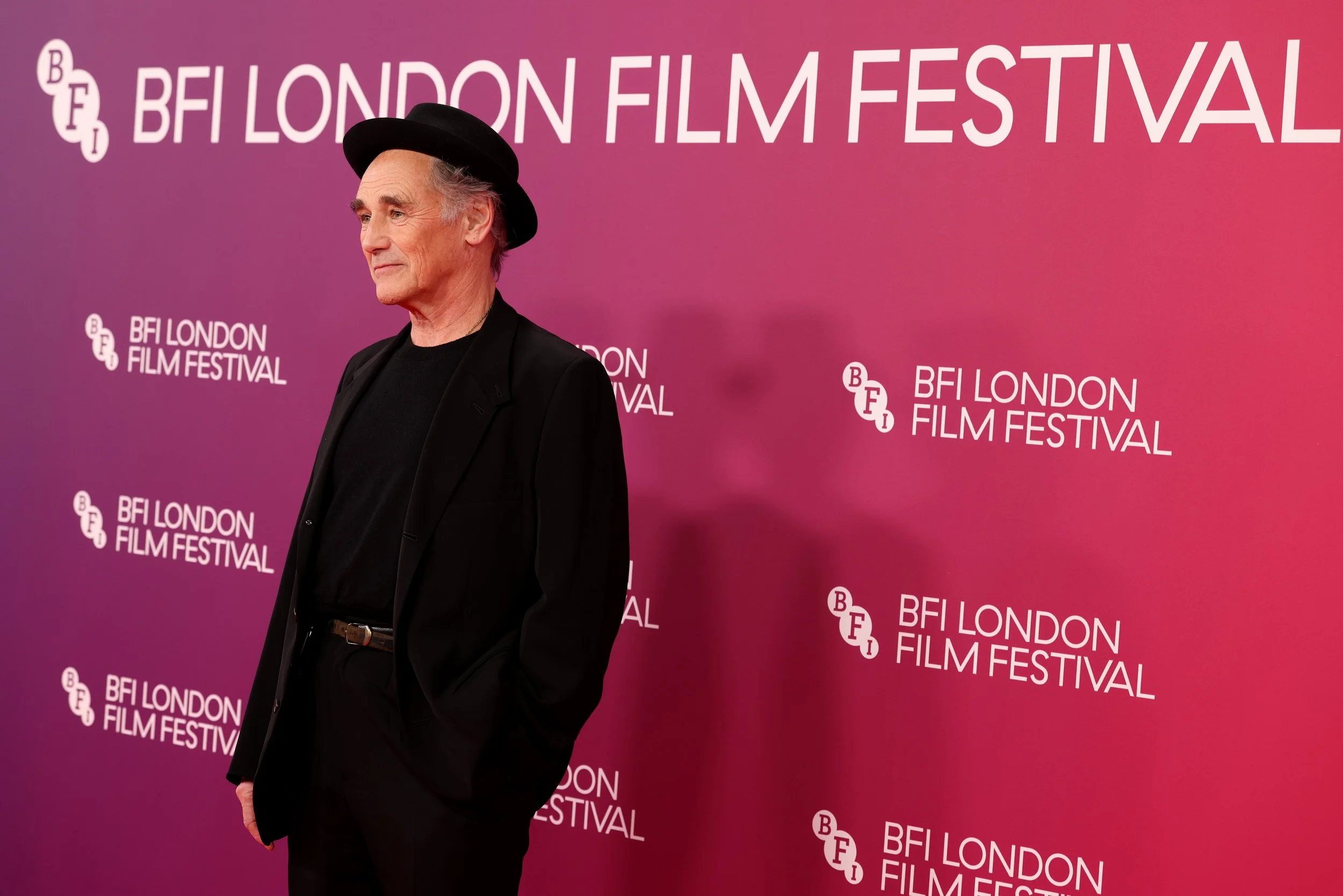
To my delight, Elon Musk is laid bare as a theatrical shadow hanging over the development of AI, a man whose money allows him to force his name into a conversation that might otherwise leave him behind. Rather than presenting Musk as some untouchable technological mastermind, the film frequently reduces him to a petulant child, incapable of even opening a bottle of ketchup.
It's a wonderfully cutting image. For all the wealth, influence and grandstanding, there remains something almost absurd about a man who wants to shape humanity's future but struggles with an everyday object. Guadagnino presents us with a vision of our emerging world leaders as selfish, reckless children, extracting value from a system they may not fully understand. Their ambitions are enormous, their confidence seemingly limitless, yet the film repeatedly asks whether anyone is truly in control.
Its references to Solaris feel particularly apt.
In Andrei Tarkovsky's science-fiction masterpiece, humanity encounters an alien intelligence that resists easy comprehension. The unknown becomes a mirror, reflecting the limitations of those attempting to understand it.
AI feels like our own alien waters.
We are building something that may ultimately exceed our ability to comprehend it, while entrusting its development to people whose motivations are often far more ordinary than their rhetoric suggests. Money, ego, competition and the desire for power remain stubbornly human forces, even when the technology being developed threatens to transform what it means to be human.
Guadagnino seems determined to remind us of precisely that. We may believe we're steering the ship, but the water beneath us is becoming increasingly unfamiliar.
What impressed me most about Artificial is how seriously it treats its subject. It doesn't attempt to make generative AI seem harmless, nor does it reduce the conversation to a simplistic battle between technological optimism and fear. It is a provocative, deeply political film that understands the danger of treating technological power as a substitute for wisdom
I left the cinema unsettled, but I suspect that was the point.
