
Tuba Önder
Encounter II - Evidence of our Souls and the Western Lens
Curated by Fahrettin Aykut, Gallery Marquess
Words By: Evie Summers
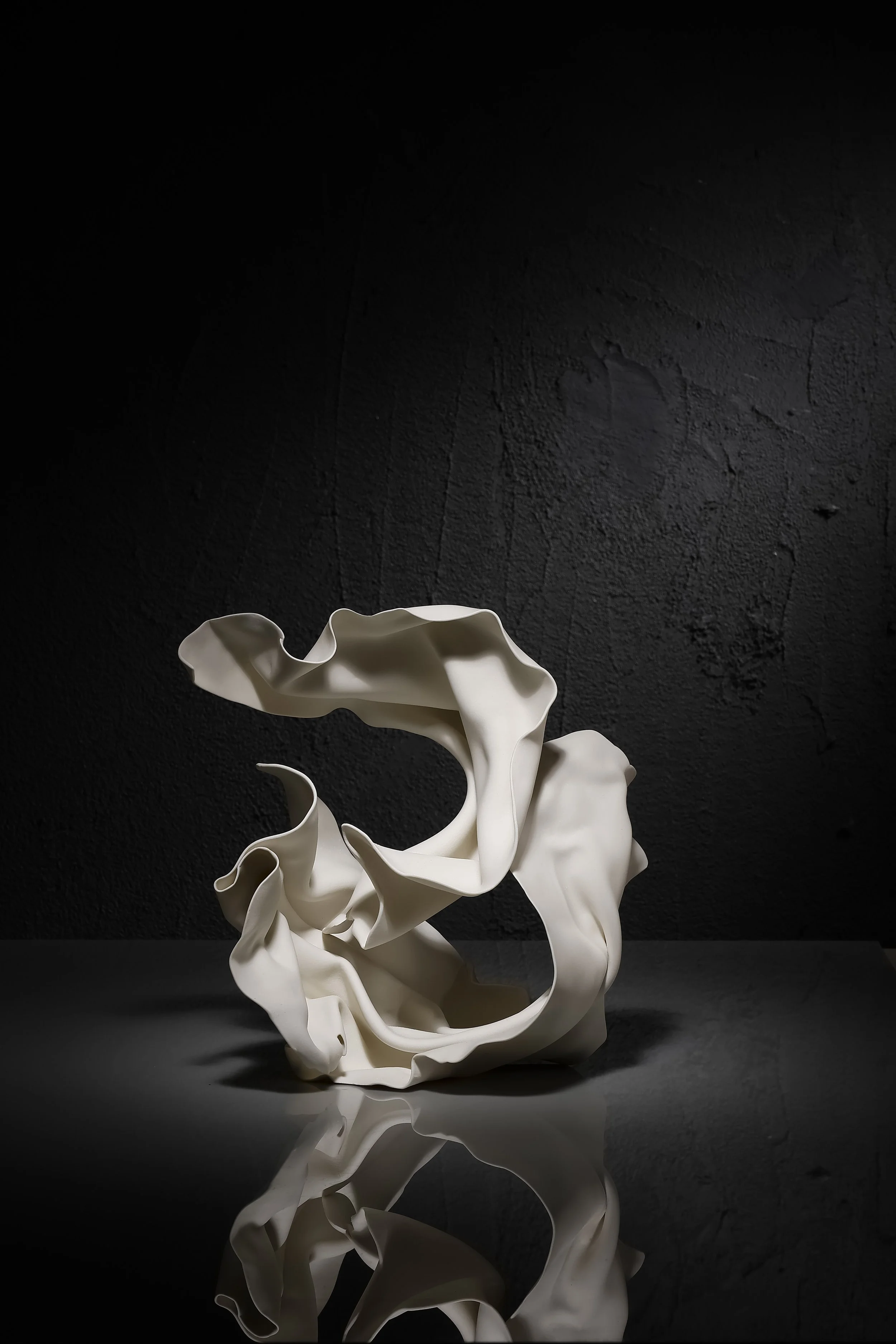
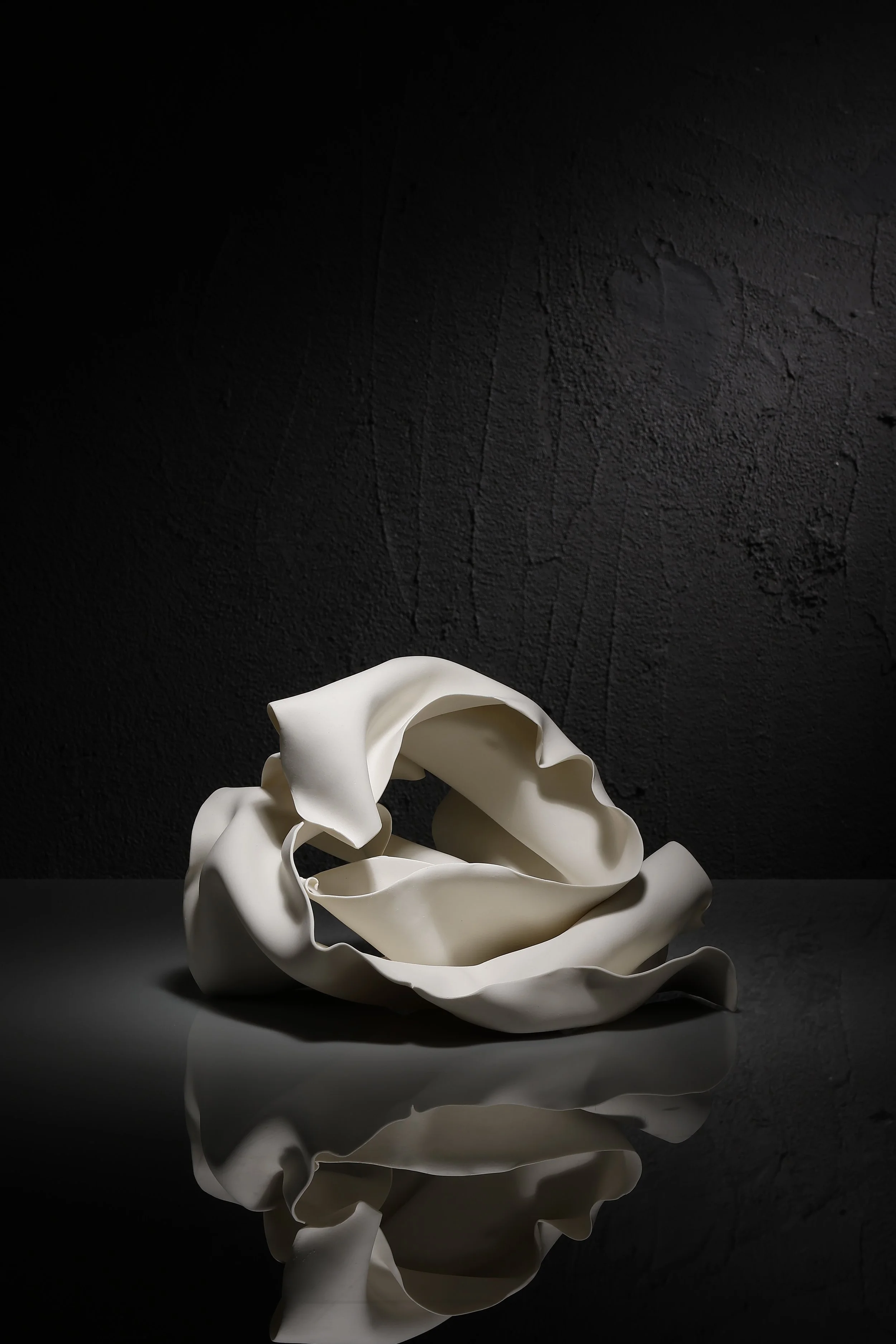
Art has come to serve a specific function for many of us. We come to view art with the expectation of gaining something. We crave diversity in what we witness, and when it comes to global perspectives, that craving only grows. Recently, there has begun a discourse surrounding our motivations for such intercultural learning. In our generation it feels it has become unacceptable to not know about issues playing out on the global stage, which is not something you will find me disagreeing with. However, keeping up with global affairs increasingly feels like preparation for dinner party conversation rather than a genuine exercise in empathy. Art is our most effective demonstration of identity, its primary function to encourage dialogue and understanding. There follows the worry that we are extending our scopophilic lens into the gallery. We are primed to receive, but as a western audience, not so prepared to be the subject to which the art is configured. This show challenges that notion.
Galleries that you may be familiar with, potted around the likes of Mayfair, do not so frequently offer such subversion, nor do they propose to. They can serve an inquisitive taste, if your palette demands a greater complexity, Gallery Marquess continues to proffer worthy offerings. They are the most recent, the likes of Tuba Önder.
The gallery itself is intentional. The building, previously home to workers who served the elites of Mayfair, is not a stage without history. Curator Fahrettin Aykut’s aim to preserve that essence creates a juxtaposition between contemporary art critique and gritty reality of its previous occupants. Encapsulating its history with a coat of black paint that neither denies its story nor suffocates contemporary audiences. In his own words, “design should be progressive, it should be timeless, and it should not deny the area it is in (...) one of the biggest mistakes of modernism is the alienation from the culture it is in” it is a mistake that is not made here, by artist or curator.
The relationship between artist and curator is a sacred one, and it is one that has become undervalued within the industry. As we seek to identify and categorise our way through the art world, we begin to separate the creative from the administrative. Somewhere along this journey of classification, we split the curator from the artist deciding one role as wholly visionary and the other as purely corporate. We wouldn't, for instance, repudiate a director as a non creative. Why then is the curator so forgotten? In separating them, we destroy a crucial plane of artistic dialogue.
This is a relationship that has been carefully preserved in this show; we do not see the familiar and redundant placing of objects in a floating bubble without reason or merit. Fahrettin Aykut takes on the role of conductor to the visual symphony of this show. In the show, "Encounter II”, we examine Önder’s ‘Soul Collection’ , a physical allegory of personal and memorial exploration.
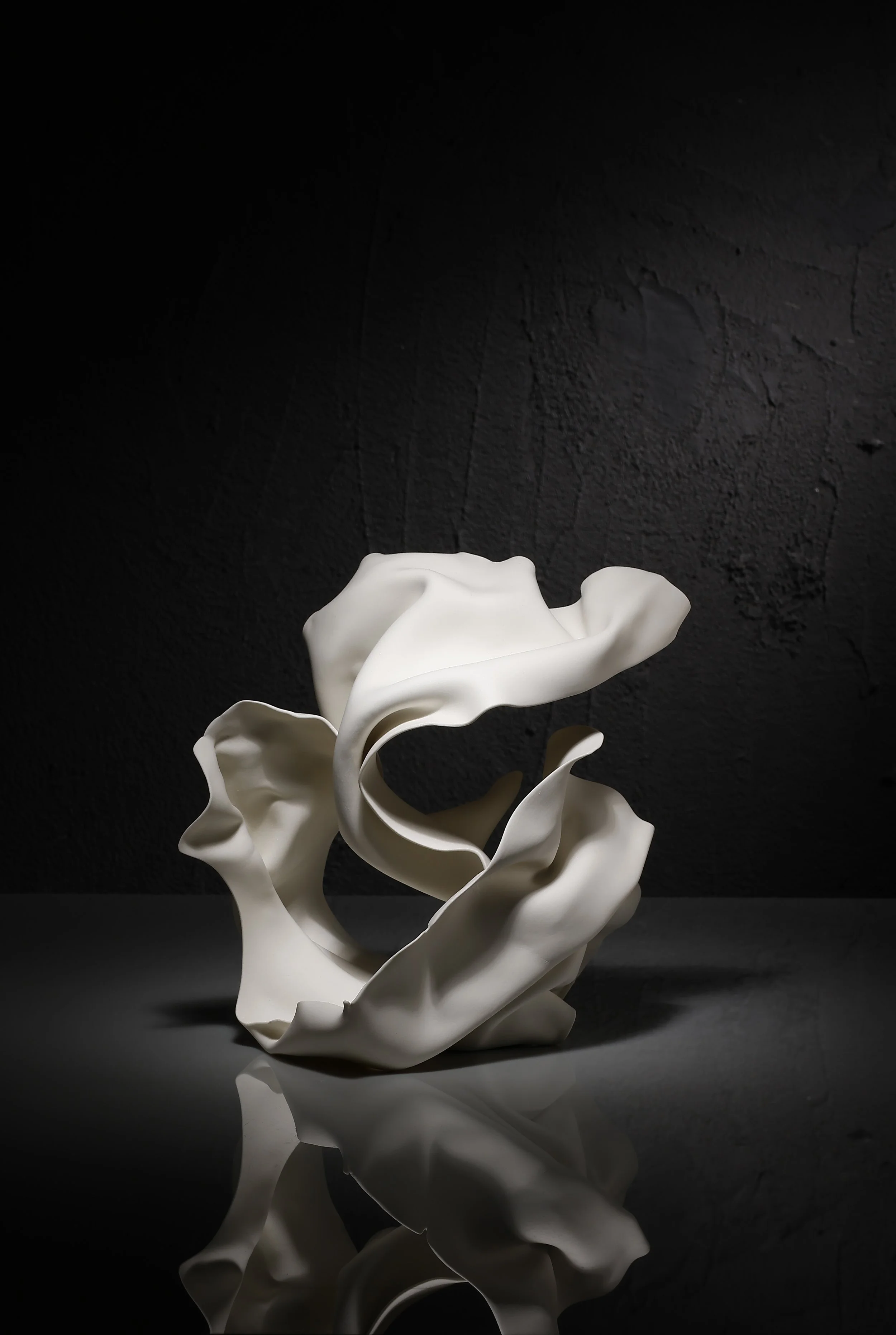
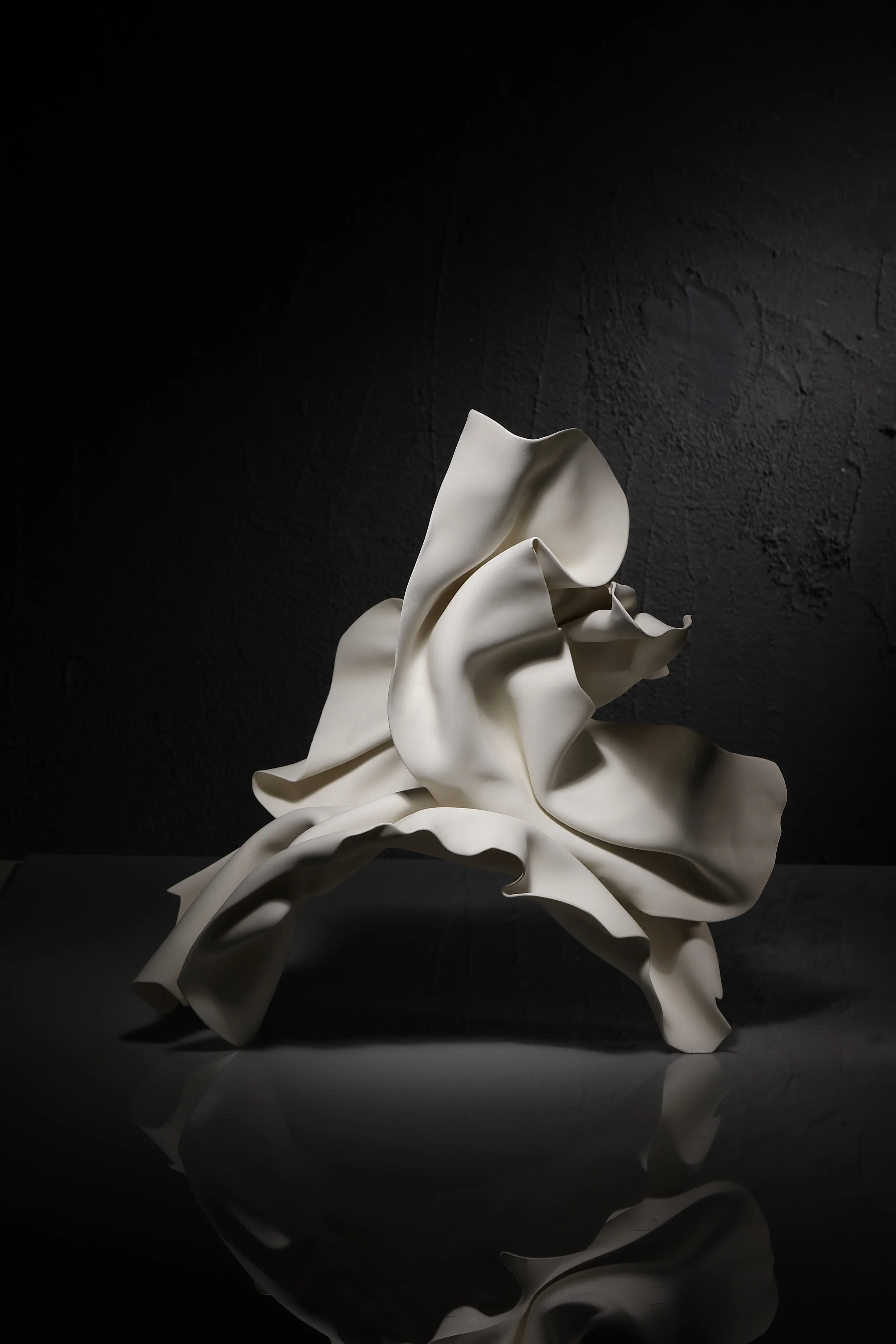
A title such as this alone prompts thought but in the context of such a building the presence of such pieces we are called to contemplate not just what it is to witness but what it's been to be witnessed by an object. It places us as both audience and subject, forcing us to question, if we are the second encounter, who is the first? Further what exactly is being encountered in this dynamic, the sculptures, the building, the audience in this case maybe all three.
Tuba Önder is an artist who, in place of indulging the senses, seeks to interrogate them. She is preoccupied by the human processes of learning and its place in our contemporary world; primarily our process of remembrance. In this show pieces such as ‘Weary’, ‘Vulnerable’ and ‘Exit’ pull us back to our own recollections of such feelings. Her chosen material high fired porcelain. She manages to capture the intangible and draw it in smooth definite ceramic.
In this show, she offers us more than her musings. In these works, where perhaps we thought to find material for dinner party conversation, we are instead confronted with ourselves, called to lay our own souls bare against the powdered white contours and leaping endeavours of each piece.
Her own work, she describes as being a reaction to the chaos of modern life, is highly evocative. In the curators own practice, Aykut is constantly designing from the immediate place of what, style is secondary. There is a great level of harmony between artist and curator in this sense, one that is definitely felt in walking through, each beginning with sentiment not a visual to express. She takes an anti-formalist approach to sculpture, breathing freedom into the process. The artists preferred method being a process of draping porcelain into these elaborate and ornate, as so beautifully put by Aykut, carriers of flux. Her relationship to the clay, the interaction between ‘known and unknown’ is central to the process. She lends a certain level of autonomy to it, freedom to form as it may because for her the formative stage is the art it, the final pieces merely evidence of this first encounter.
As I walked around the space, I was incredibly drawn in by the pieces. A strange relationship developed between my gaze and the work; that in my reflection, it lent some kind of animism to them. Whether it was the organic and truly entrancing form or the memories I found myself projecting across its surface, I was never quite able to distinguish. I felt as though, as I turned toward a new piece, the previous ones folded and reformed behind my back.
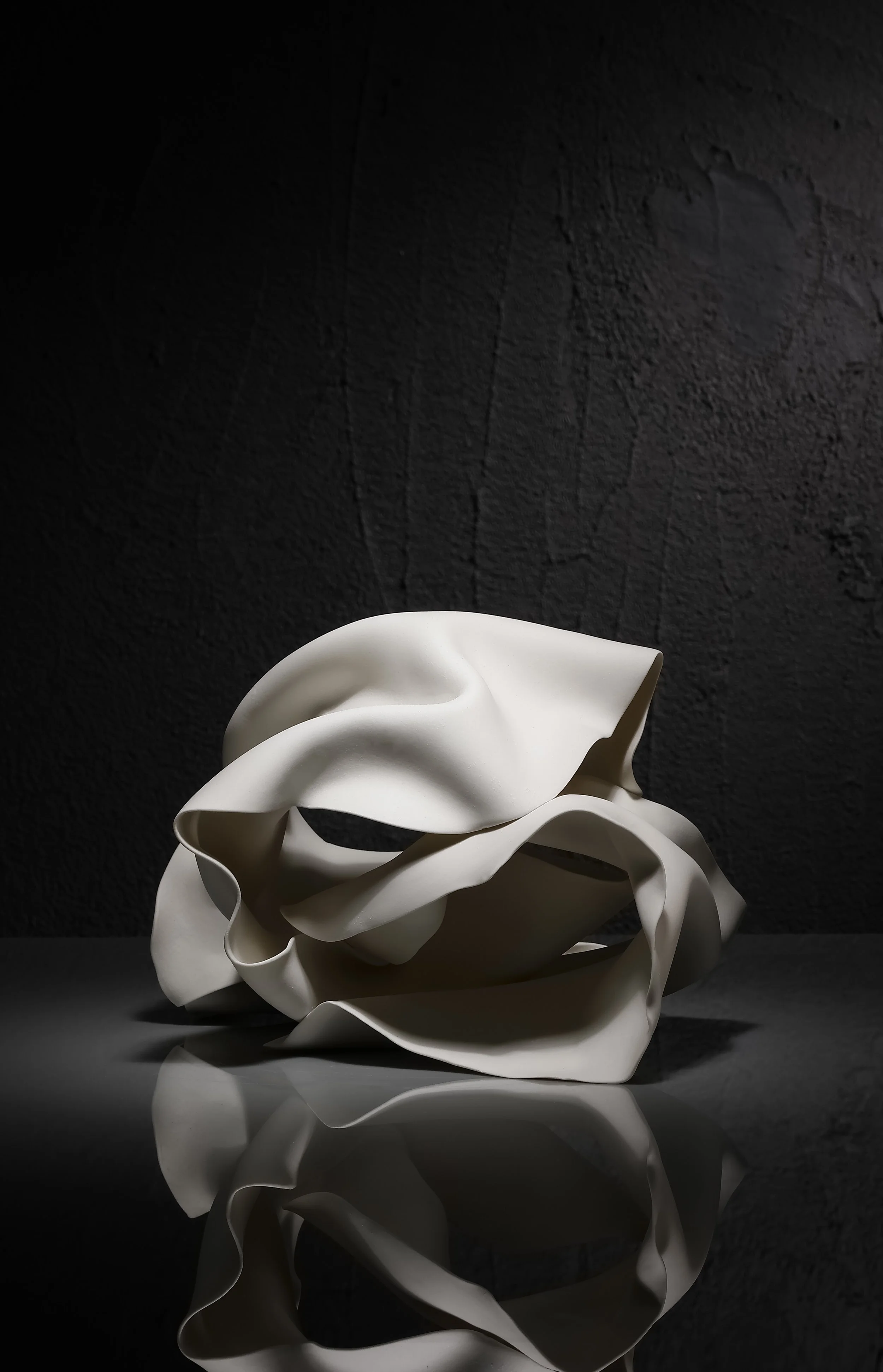
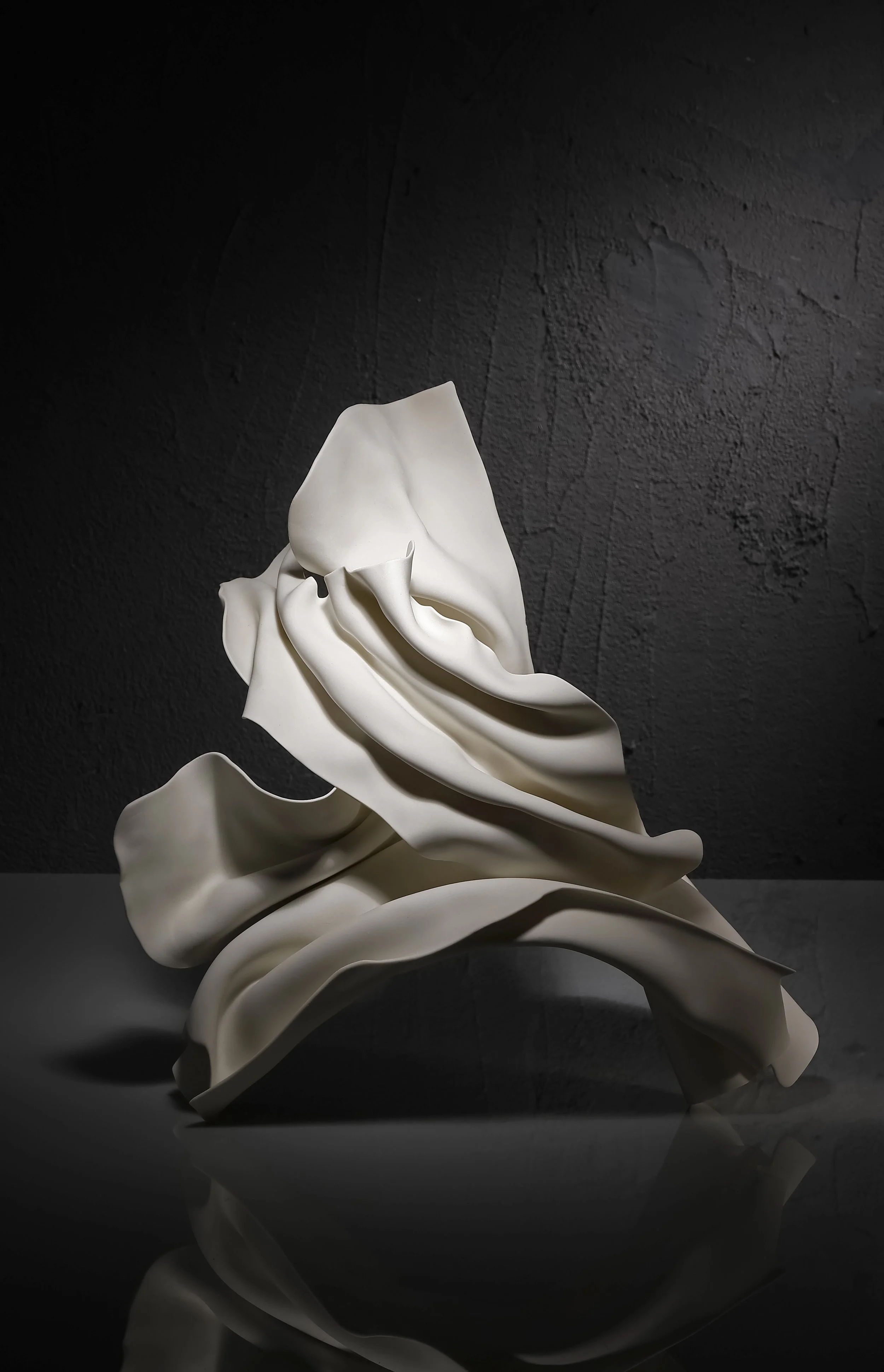
They curled round like a ripple of fabric in the wind. A kind of dance through the breeze. That was my immediate thought, that is my lingering image. Again, I
struggled to imagine the pieces as inert. As I stay with it longer, the fabric extends beyond a single piece, and I imagine the garments it may belong to, the sways that would conjure such folds and depths. I was drawn to the image of dances, twirling skirts following, and resisting pulling and leaping. I was captivated by the way fabric captures a person's movement, exaggerating it. There was a certain reminiscence of the bend and swirl of the garments worn by men in the traditional Sema dance. Something that felt, even if not intentionally, serendipitous with the design. The dancer's right hand faced upward toward the heavens, the left hand is pointed downward to channel that grace to the earth. The dancer is the only perceptible connector of a sacred and ephemeral enmeshing of soul and universe. The sculptures become the visible flourishes of something equally unobservable yet profound: an externalization of what it means for the soul to be vulnerable, to stay still, and to eventually exit. They are more than illustrations; they are the extremes of our being, captured in folded layers of clay, baptized and immortalized through fire.
Perhaps the most apparent thing throughout this show and its discussions. This gallery was founded by a Turkish designer, the artist at its centre is a Turkish woman, and it is housed within a particularly British context. That is what I find so fascinating about this show: it has a universal quality.
It is something understood between both creators; there is an overwhelming urge to discuss, and that is what I came away with most pertinently. That is the story of Türkiye and, more specifically, Istanbul, the home of both Tuba and the sibling gallery, and so the backdrop to such a presentation. It is a country of diversity, practices, beliefs, and cultures, so when I interact with art from this region, I frequently feel a familiar sense of mindfulness; it's a welcome experience from my own world of British art, which is so demanding of answers. It is confronting at times. I think a lot of people can relate to being discontent with the art scene we have become accustomed to; its attempts to shock. Even as a creative, there is a demand to antagonise. I find when I look at SWANA art and culture, instead of a reverence for life, and in place of antagonism, a desire to comprehend the often unknowable. In this show she brings this introspective lens to the British audience in a way that is both comforting and truthful.
Yes, the art is beautiful, and yes, Tuba has something to tell us, but perhaps more pressingly, she is telling us we have something to see within ourselves, something to express, something we are yet withholding which we must at some point contend with. This is a show about context, what it means to interact with art and about our necessity for reflection in a world that never stops to understand.
