
Jodie Bryant
Making the case for radio and for listening to Jodie Bryant
Writer: Evie Summers
Radio holds a special place in our lives; it has since its inception. It is the quiet comfort that fills awkward silence. It is the small friend that makes our traffic jams bearable and brightens our mornings. It's an almost ubiquitous part of our routines, and so reliable we often forget how impactful it is. In a world filled with terrifying news and overstimulating feeds, many are returning to our old friend. There is a whole new appreciation for its voices.
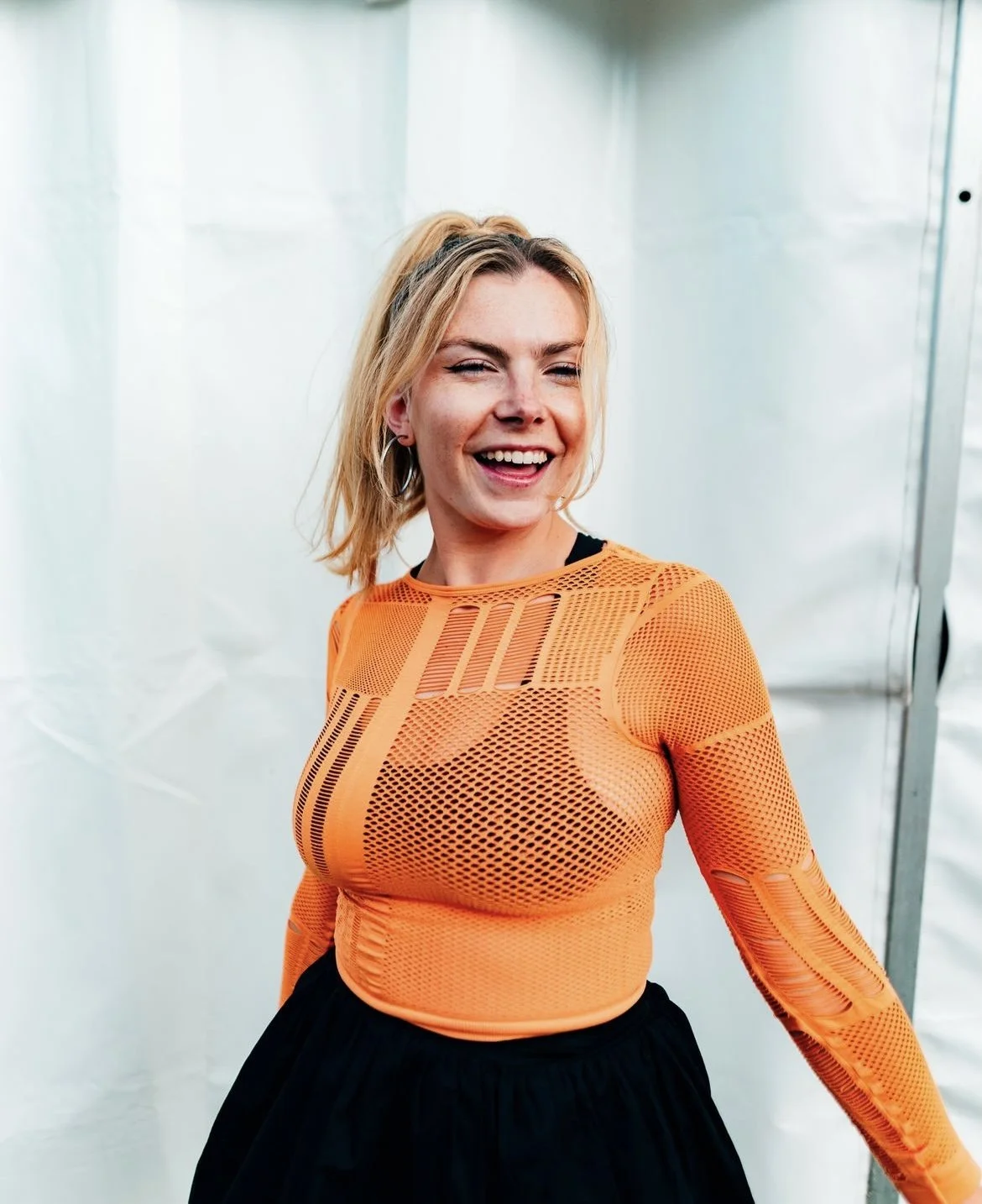
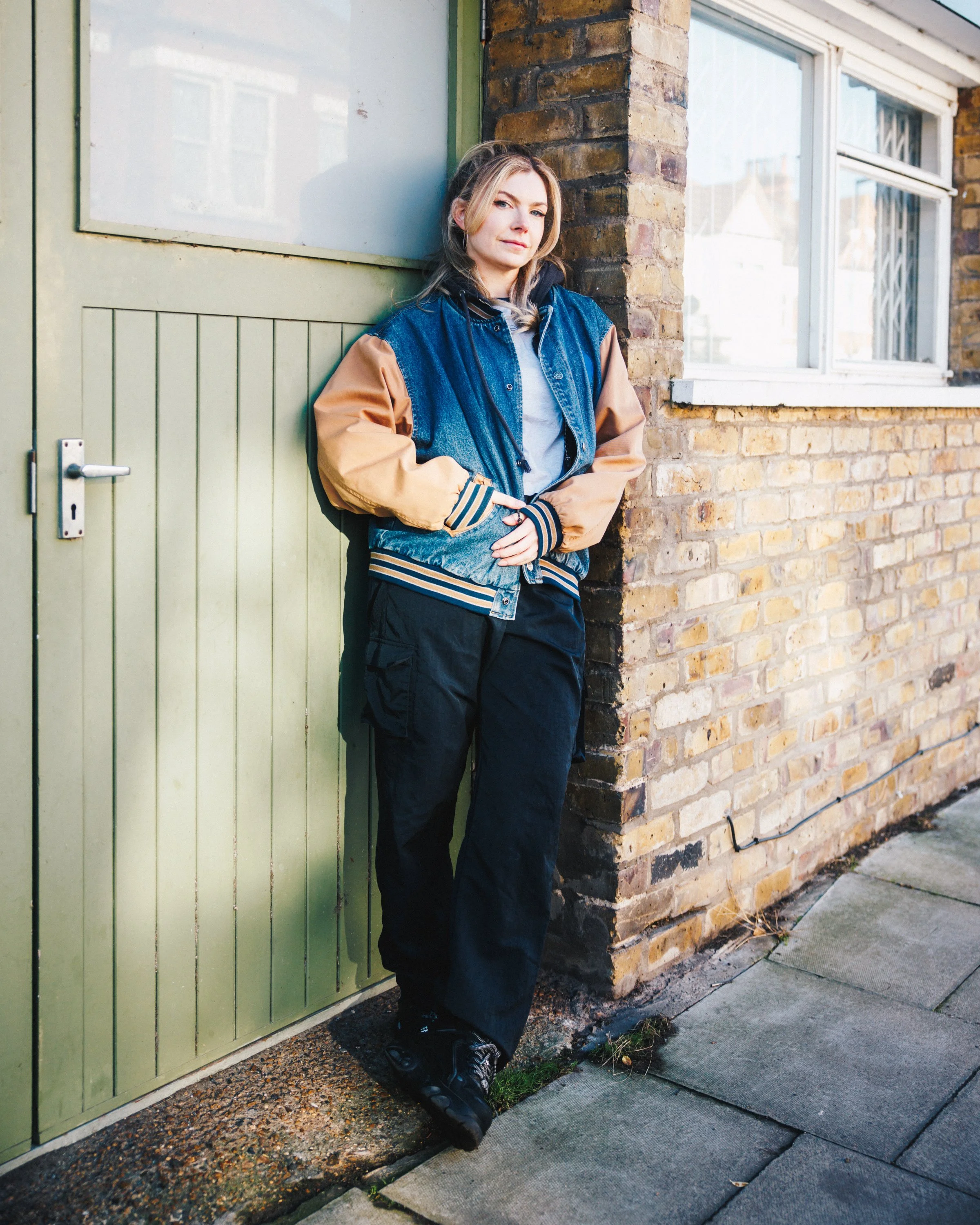
Jodie Bryant is, in her own words, a presenter, DJ, and a 'champion of New Music.' Cultivating an impressive audience not just on Radio 1 but also through socials, her speciality is interviews that excite both audience and the subject alike.
We sat down at Nessa, Soho, to talk all things music, the movement towards social media as a music platform, and pop divas. When someone is so accomplished and young, the question of how always seems to follow, but we began by discussing why. Why is Bryant so pulled to the career of presenting?
“I'd loved music since I could remember. In primary and secondary school, I remember begging my parents to let me audition for Britain's Got Talent, and they were like...no, you shouldn't do that...which they were right about.”
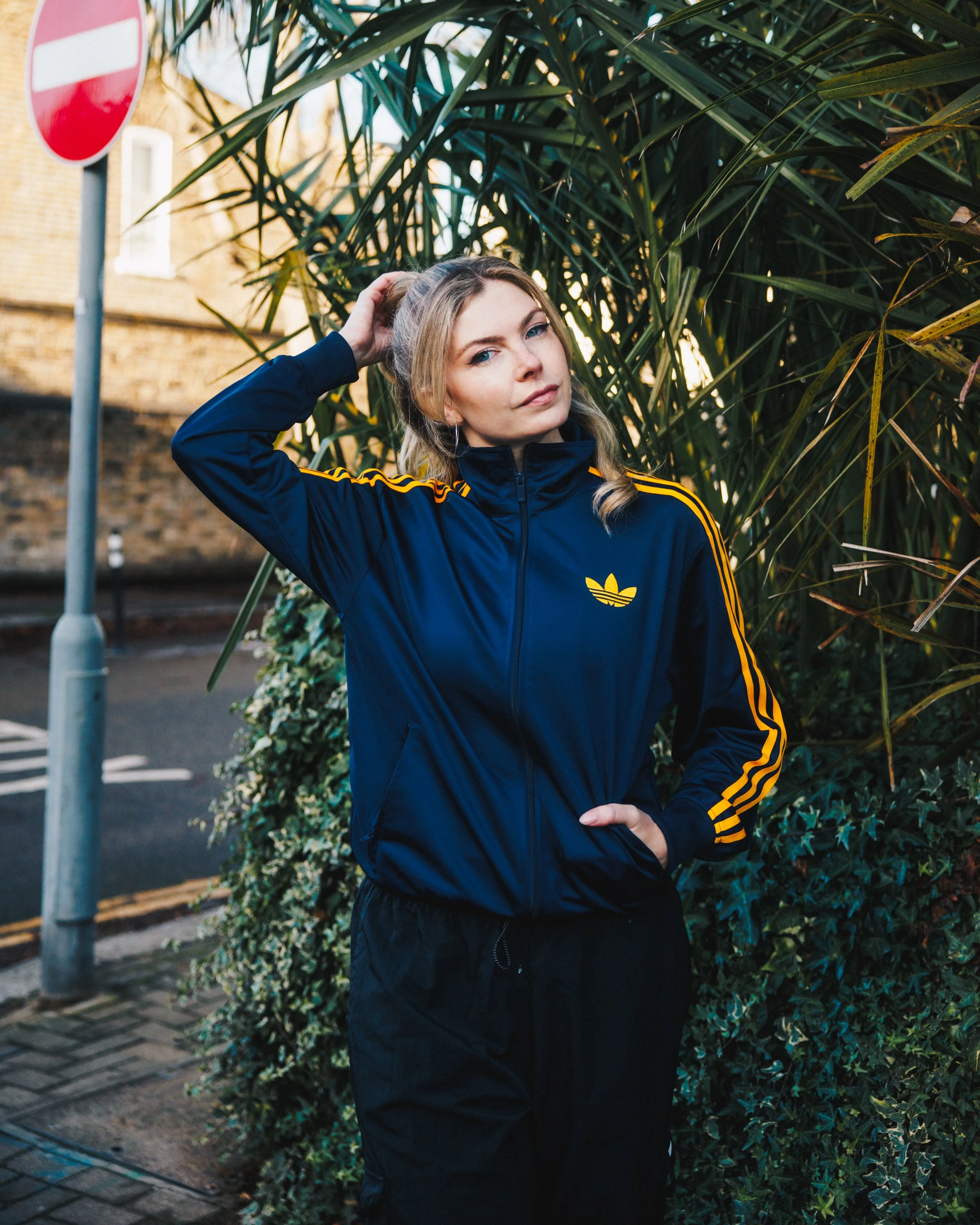
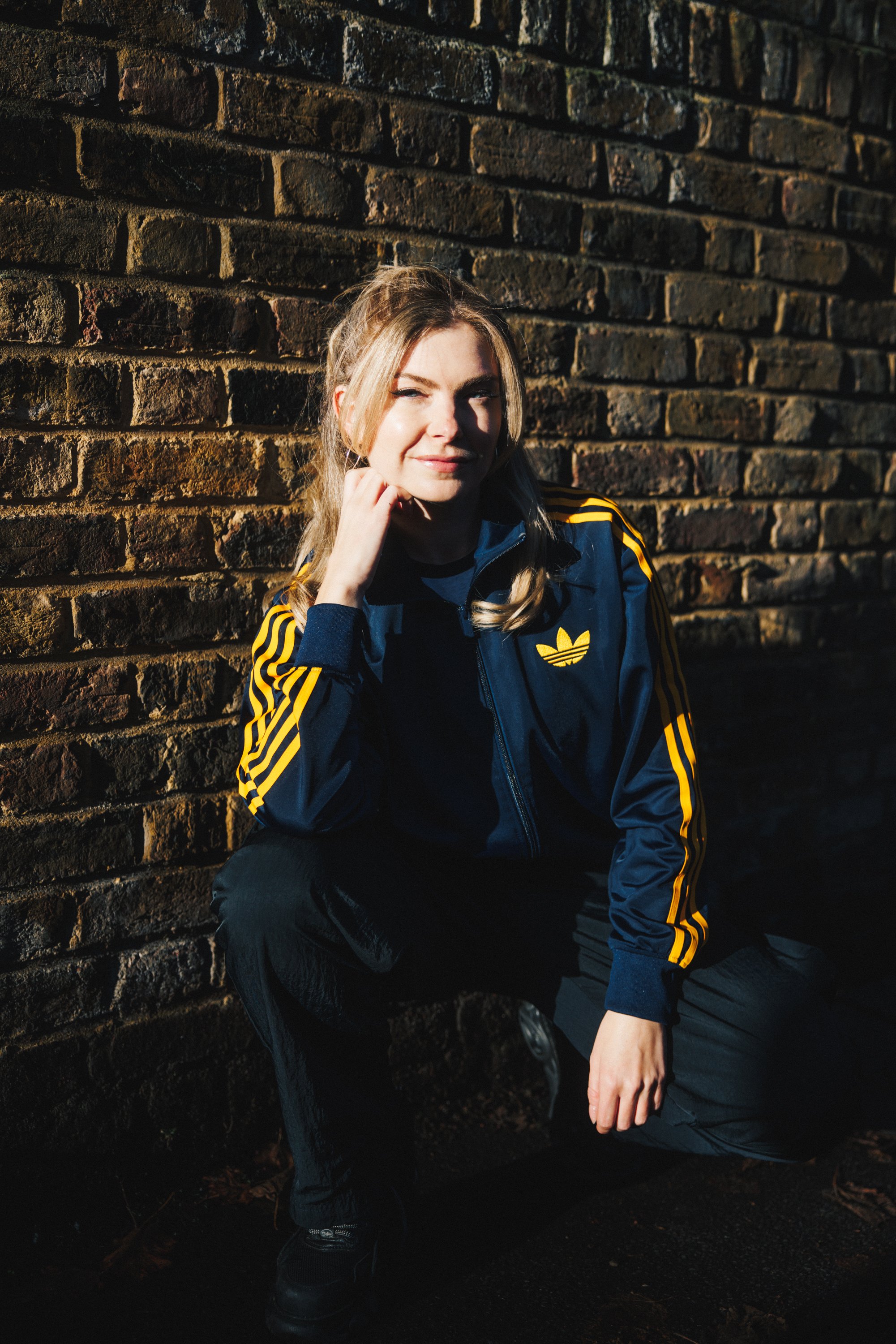
Given Britain's Got Talent's less-than-favourable reputation now, maybe that was a good call. Undeterred by this roadblock, she was adamant about the future she wanted – she just needed to reevaluate how exactly she was getting there. She recalls thinking to herself, “What can I do that's performing, but not singing? Because I did plays in school, but I knew I wasn't quite there to do those.”
I think more than we would probably admit now, we were, at some level, theatre kids back in school and equally found ourselves in similar positions when it comes to pursuing a creative dream. We look to the most obvious roles - singers, actors - and when we don't quite feel we can live up to, we become disheartened, perhaps not realising we just need to shift our gaze to a different role. This was not the case for Jodie; she was determined.
I’m sure, for all of us, many of our earliest memories involve sitting in the car, staring out the window, as the BBC, Kiss, or, in my case, thank you, Dad, Radio 4 plays in the background. “I'd be driving to school listening to the radio every day, to Nick Grimshaw on Radio 1, interviewing like Harry Styles or playing games, and they just sounded like they were having such a fun time, and I was like, maybe I can be that.” It wasn't long before she had committed wholeheartedly to this career: “I just set myself on this path and did it kind of instinctively.”
Now that she had found what, we returned to the how. Right now, Jodie is having a pretty inspiring career trajectory, hosting Radio 1's "Future Pop" show, interviewing emerging artists every week, and founding her own passion project, Discover Live; it's a live event that seeks to champion emerging artists and remove barriers to the industry. There is a level of endeavour required to be here while so young, a passionate commitment. It's a spirit she brought with her straight into university: “My first day of uni, I found our campus radio station and called up. He answered the phone and said, ‘How did you know where to ask?’ and I said, ‘I found you on Facebook.’ I did my little internet stalking.”
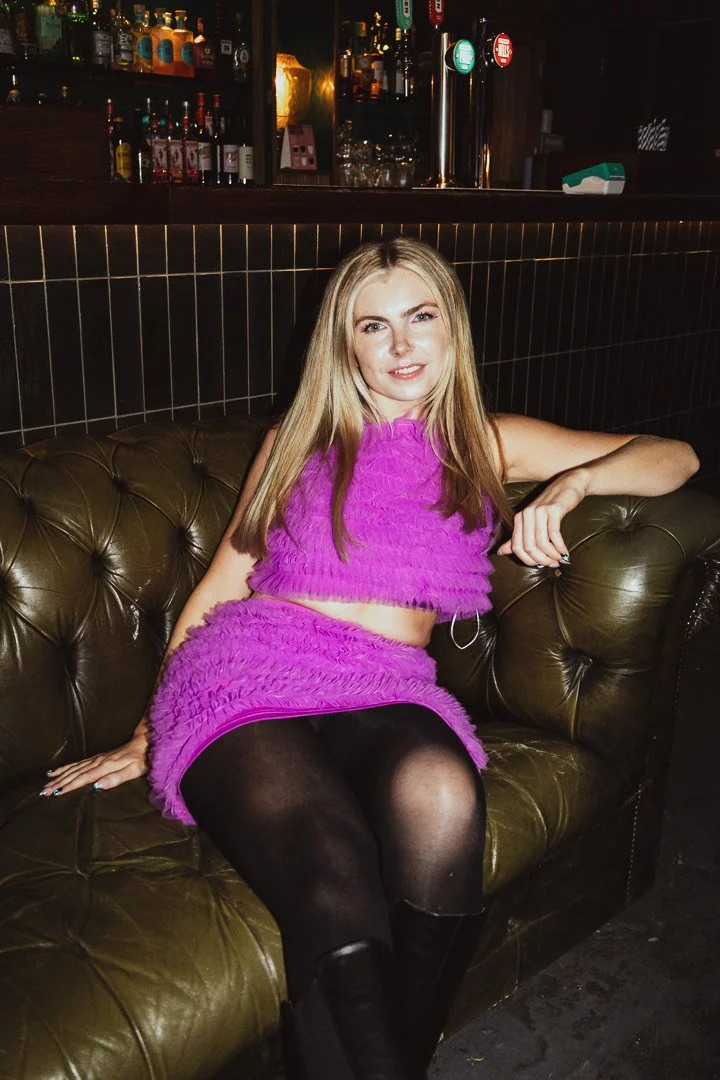
Confidence carries significant weight in media careers, but Jodie's approach also mixes intuition with self-belief. “So I applied with a morning show idea called 'beatabix’ – I love a pun. I did the show and absolutely loved it. Looking back, it was probably a car crash because I tried everything on it.” This formative chapter solidified her commitment to a career in radio.
It isn't just radio and music she loves; there is a relationship between the two that keeps her coming back. It is the ability both have to impact the lives of the listeners which had the most profound impact on the presenter. She remarks that she realised, “(The radio) is like a friend who's always there and they're always having a good time.” The radio means more than just sound, fun, or games; for many people, it may be the voice they hear most in a day. And it is a universal connector. No matter where in the country you are, you can tune in to a frequency and join a greater collective. You exist in the knowledge that, for that moment you are there listening, you are part of something bigger, a collective greater than yourself.
Though it is wonderful to be able to provide such a space for people, I did wonder about the personal strain that can come from constantly having to perform on some level. As another presenter recently said, "If you're a presenter and you're having a bad day, you're not having a bad day on air, you have to still be there, you have to still show up." While I'm sure there is some respite in escaping your issues for a moment, the need to always be happy can wear on a person, becoming a heavy burden over time. In recent years, there has been a greater awareness of our tendency to project an expectation of excellence onto public figures, and while that has gone some way toward changing attitudes, I still feel we understate the personal implications of such an expectation, particularly in radio.
Radio in modern life has felt, for a while, like it has been pushed aside in favour of on-demand streaming. It has been forced to contend not just with the volume of alternative content, but also with the level of simultaneous stimulation and sense of control it provides a listener. We are a generation of self-curators; from style to speech to the content we consume, every aspect of our identity is carefully chosen to align with a desired personal brand. I think that as more people gain access to means of self-promotion, such as social media, we all feel the urge to adopt marketing tactics in how we present ourselves. Music has certainly become one of those markers.
Music has always had a fundamental role in shaping our identities, but now that relationship feels altered. Whereas we once were influenced by the music we listened to, we now use music to communicate what we want others to believe about us. This shift is largely due to the advent of on-demand content and the generational move to platforms such as TikTok for cultural references, rather than radio.
That dynamic opens up a rich space for being challenged, surprised, and changed. As children, we learn only through confrontation with the new, and usually, that new is brought about by an external force. Radio offers a similar opportunity, and it offers it for a lifetime. In a world abundant with choice, is it not nice sometimes to not have so much?
There are, however, always enclaves of this want for exploration. One such is the previously mentioned Discover Live, an event founded and run by Jodie. The concept responds to the impact of the COVID pandemic on live music. Jodie uses the platform, her interviews, and her radio show to introduce and pay reverence to emerging industry talent. “I think the biggest change (culture-wise) has been after COVID. I started to notice how many artists had been affected: support tours lost, gigs cancelled, festivals shut down. That's when a lot of music moved over to social media.”
Through COVID, we saw apps like TikTok become the primary place for self-promotion of music, and now it is pretty reliable to use trends on the app to map the real-world success of artists. There is a real difference in the way artists gain notoriety now through platforms like TikTok compared with in previous years, and there are arguments for which is the more organic route on both sides.
Previously, the way to get famous was only through radio; there were only a limited number of spots available, and we would all essentially be listening to the same handful of shows. Notoriety was a much more universal and definite thing. Now, because there is an endless space for musicians to take up and a seemingly endless audience, members all self-curating, fame is much more easily achieved, though arguably less intense than it had been.
When you're constantly introduced to new artists, it must get hard to keep track of them. I wondered who the lucky few had found their way into her daily plays. “there's this artist, Vi0let, i think i was her first fan, she still hasn't blown up yet but i'm waiting on it and there's also SISTRA, they're starting to get some attention, and they're just about to release an album- they're so cool” digging in a little of what it was about each artist that stuck with her she said, "I'm really into artists that care about their visuals and who understand branding”
Branding and personal identity, particularly in our digital age, are increasingly prominent. As AI shapes the media we consume, the urge to stand out grows; on social media, it's necessary. To succeed, you must be identifiable. Jodie pointed to examples like Brat Summer and, most recently, Zara Larsson; each offers a masterclass in understanding and developing one's personal brand. As AI appropriates more imagery and saturates digital spaces, the need for a unique selling point and clear identity intensifies.
I think the discussion of AI within the creative world is always worth interlacing into these discussions; seeing the perspectives of professionals across the creative board offers us a look into what is coming. For Jodie it's a pretty unequivocal answer: “music where i currently sit with it is in the camp of keep it out, there are so many amazing artists and musicians i'd rather hear and people already don't make enough from music” AI is being integrated into more corporate spheres to improve efficiency, but that isn't necessarily transferable into the arts because their merit is not efficiency based. It is not quantifiable in the same way, and so many and I am inclined to agree see it as merely undercutting people who are already outside of the 1%, significantly undervaluing them. Jodie does offer a humorous but honestly pretty good idea when it comes to how we should approach it in music…
“I think there should be a producer tag right at the beginning”
…It's funny but strangely attractive as a proposition; what is more offensive than AI undercutting you is when you don't even know what you're consuming isn't man-made. There is something slightly icky about it; it sort of feels like being duped when you consume such content unknowingly.
There is a love for music, a very genuine one, and that is clear. What was equally clear after a quick stalk through her Instagram was perhaps a more concentrated love for Pop divas, specifically Miley Cyrus. She recalls her moments of devotion: "I was at a friend's house, and she showed me Miley's new look, and I was like, I have a big decision, and I'm gonna stay or do I abandon ship?” Thankfully, she decided to weather the storm and battle the internet detractors. Jodie has stuck it out through the eras and the changes, from Disney to Wrecking Ball and through to Flowers.
As women, so much of our interests get dismissed as silly or immature simply by way of association with teenage girls - pop music being one of the greatest victims of this. There is something quite freeing about artists like Miley, their defiance of social norms and rejection of containment; for me, there is something equally beautiful in holding on to the love we have for these figures, as Jodie does. Unabashedly loving the music that got you through for most of us, the roughest years of our lives, and platforming it loudly.
A final thought and an homage to an interviewer with skills far superior to my own - of course, Jodie- I want to turn her signature question back on her; what's overrated and what's underrated?
Overrated - simply microwaves- Jodie says we don't need them, throw them away.
Underrated - simply going to the hair salon for a blowout - why not get yourself a little luxury?
