
Return of Rock
Denmark Street and the Return of Rock: How Yungblud Is Rebuilding Music’s Collaborative Spirit
Writer: Anya Duncan
For decades, Denmark Street has existed in rock mythology. A narrow Soho strip once crowded with guitar shops and rehearsal rooms, it helped shape British music history. Elton John worked here as a tea boy, the Sex Pistols rehearsed nearby, and figures from The Rolling Stones to David Bowie passed through its studios during rock’s formative decades.
Today, a new generation is attempting to reclaim that spirit. At the centre of it is Yungblud, the Doncaster-born artist whose real name is Dominic Harrison. Through projects ranging from his community-driven festival Bludfest to a new creative hub on Denmark Street, Harrison is trying to revive something rock once thrived on: collaboration.
Behind the scenes, his manager Thomas Arnby believes the symbolism of Denmark Street matters as much as the practical reality.
“When considering the future of rock music, we wanted to make a commitment to London and to this street,” Arnby says. “I used to sneak into the music stores here and practise as much as I could before they threw me out.”
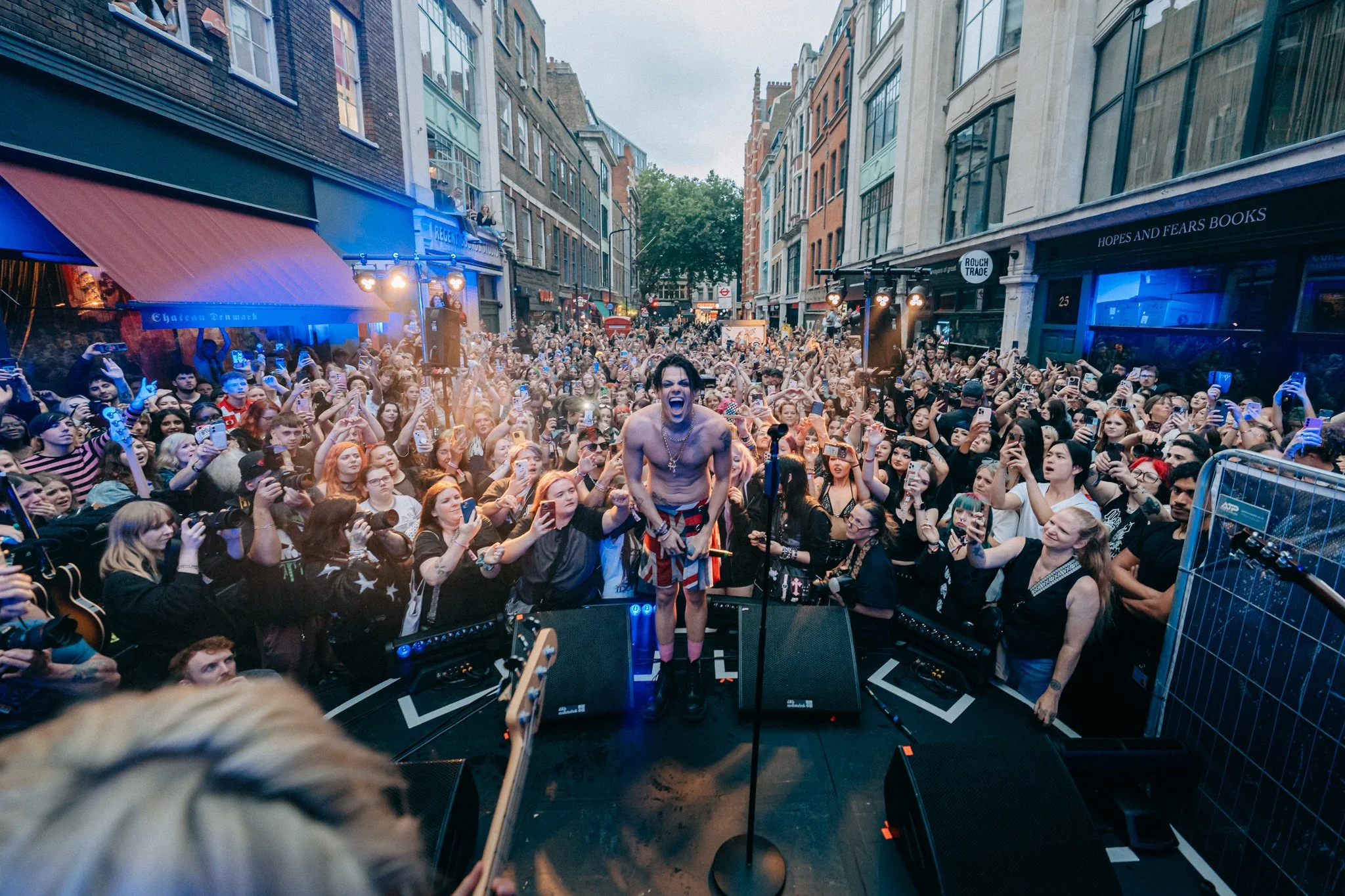
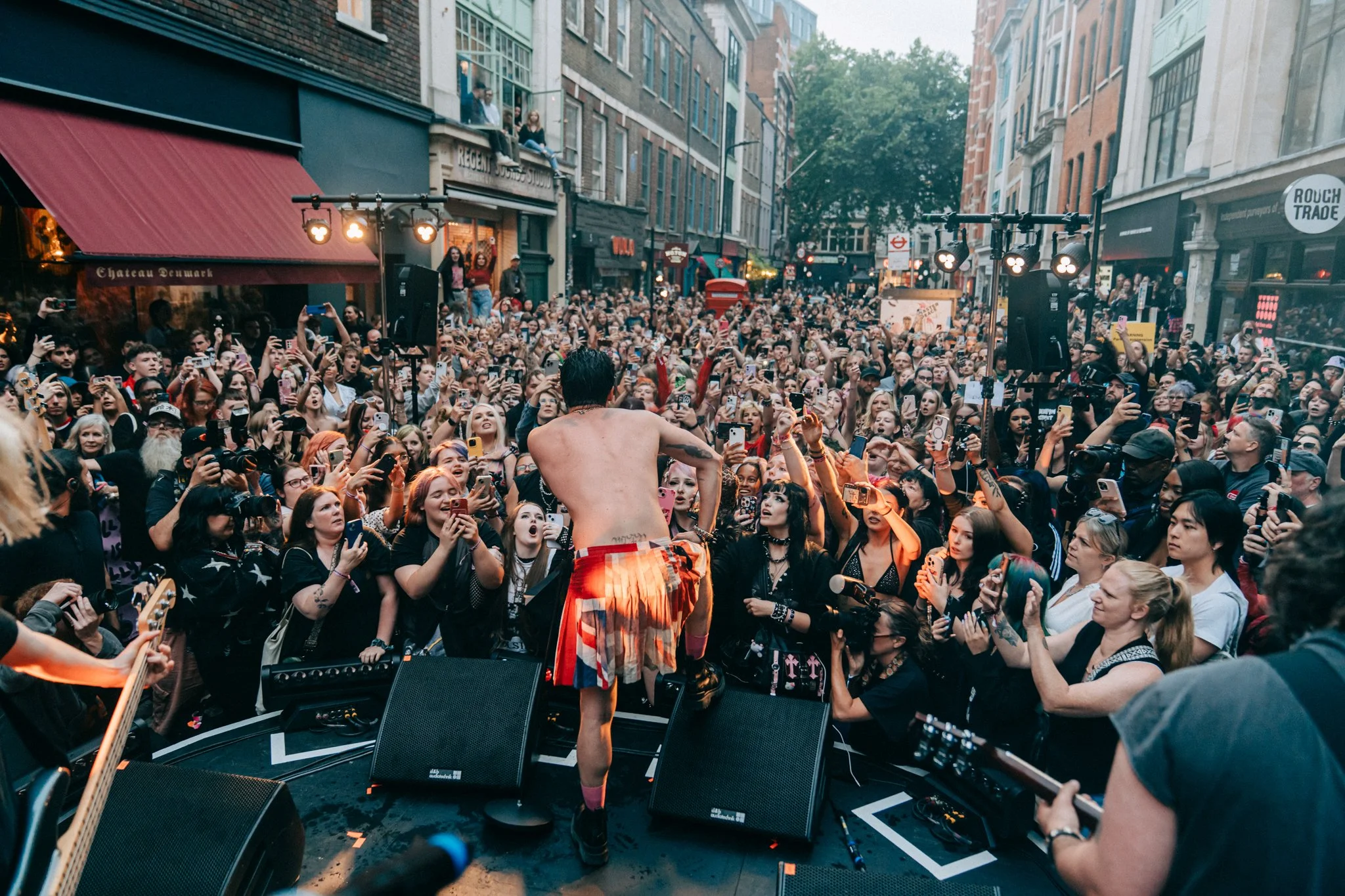
For the Yungblud team, it’s about reconnecting rock with the physical spaces and communities that once helped it flourish.
Historically, the genre has fallen victim to the same cycle: rebellion, assimilation, reinvention. Punk followed stadium rock. Britpop followed grunge. And now, in a political and cultural moment defined by uncertainty, many see a renewed appetite for the emotional immediacy that rock offers. Arnby sees Harrison’s rise within that context.
“As Dom became bigger than any of us thought, it was all about this teenager who had politically charged lyrics,” he says. “It was about the desire to do something disruptive with music.”
That disruptive instinct is central to Yungblud’s identity. Since emerging in the late 2010s, Harrison has blended punk attitude, alternative rock and pop theatrics into anthems about identity, politics and belonging. His music resonates particularly with younger fans navigating questions around gender, mental health and social change.
But Arnby believes the deeper significance lies in what the artist represents culturally.
“There has always been this idea that the older generation has kind of fucked it for us,” he says. “But Dom had a sense to want to do something about it through music, which took me back to when I started out.”
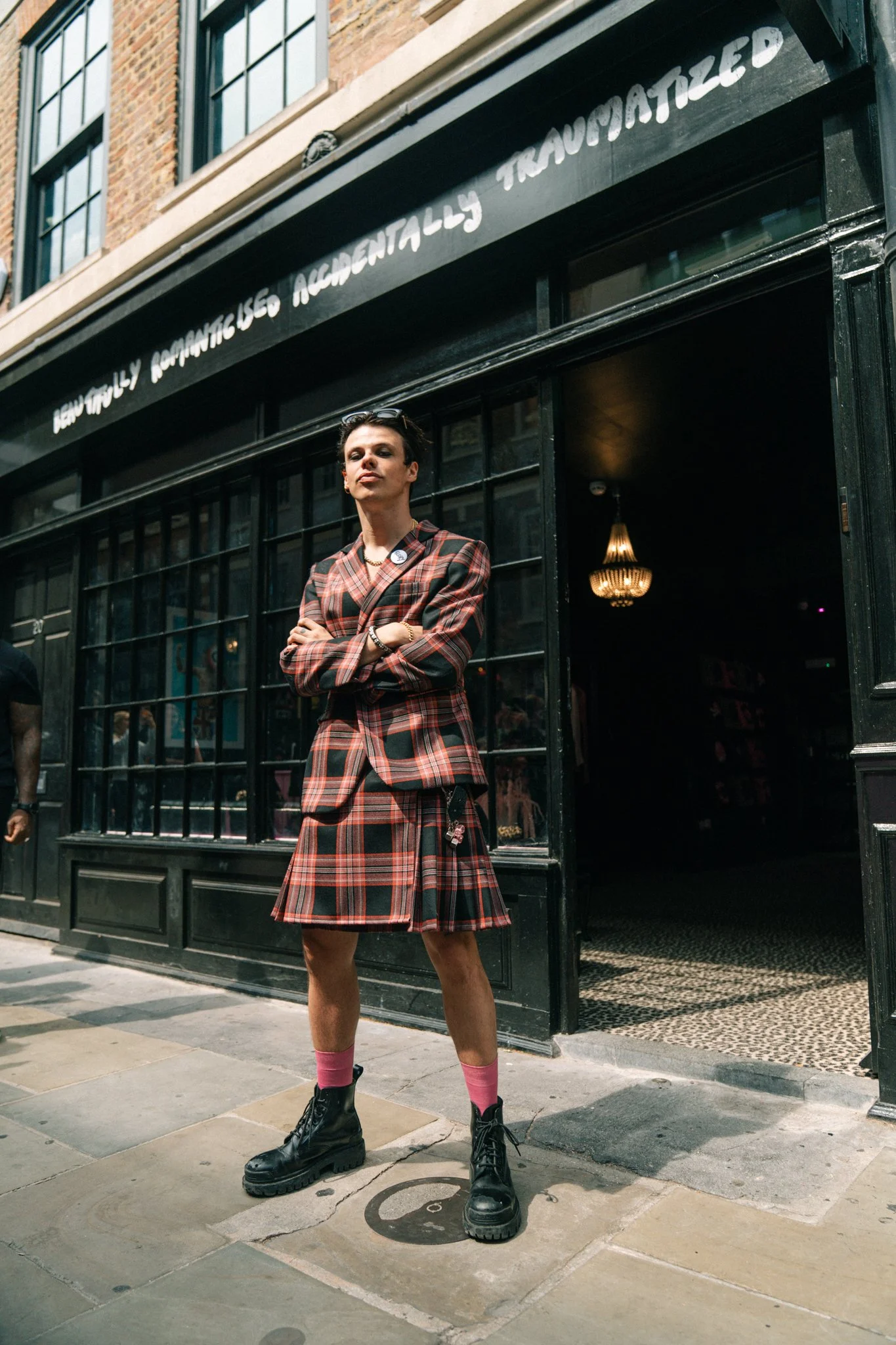
However, Arnby can acknowledge that Yungblud creates in a different time; the collective momemtum in the rock genre (and industry at large) has changed dramatically in the last two decades.
“I remember there was a time in the nineties where bands were supporting each other,” he says. “Even when you fell out in the press which happened all the time as a marketing strategy there was always support.”
Over time, that culture changed.
“The rock bands got a bit older and became more settled, and I think they started thinking: I don’t need to take this young band on tour.”
The result was a fragmented scene where artists competed for attention rather than building something collectively. Arnby believes that moment is now ending.
“We are getting out of that era of rock music,” he says. “And I think Dom is at the forefront of that.”
Perhaps the most obvious proof is Bludfest. Designed as a more affordable alternative to mainstream festivals, it brings together artists across genres while maintaining a strong alternative identity. The festival is deliberately structured around community rather than hierarchy, with established artists sharing stages with emerging acts. Fans are encouraged to see the event as a gathering rather than a traditional gig.
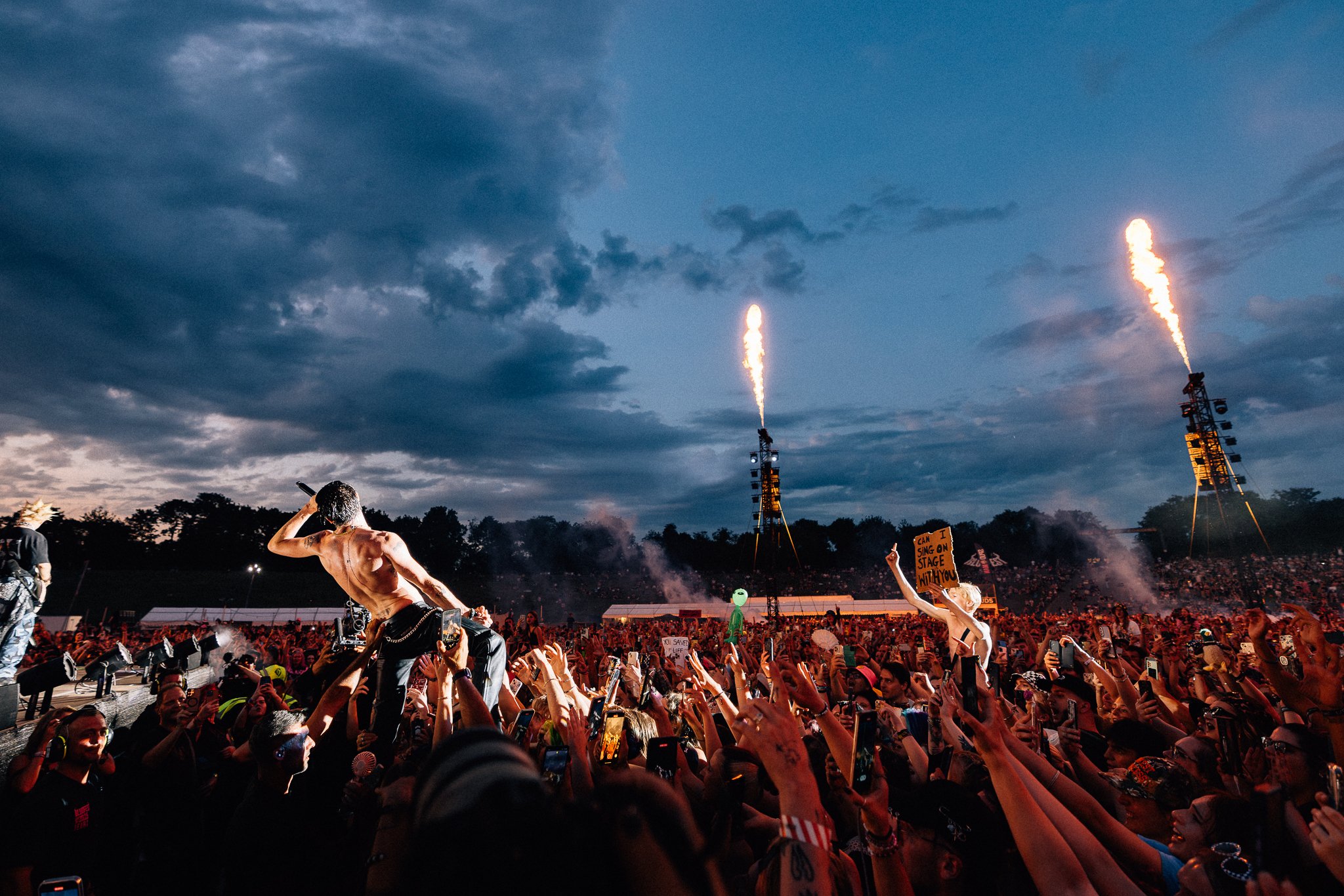
Here, the next generation of rockstars are working alongside each other.
Yungblud’s decision to invest in Denmark Street is part symbolic gesture, part practical experiment. The street sometimes called Britain’s “Tin Pan Alley” has faced years of redevelopment pressure and fears that its music culture could disappear.
Harrison’s new venue and creative space aims to reverse that narrative by turning the street back into a meeting point for artists and fans. In other words, a return to the kind of environment where bands once bumped into each other, wrote songs together, and formed movements almost accidentally.
One of the more unusual elements of the project is B.R.A.T short for Beautifully Romanticised, Accidentally Traumatized a creative brand that merges fashion, music and community.
For Harrison’s longtime collaborator Jesse Jo Stark, the ethos behind it is simple. Here, creativity can exist without limits or heirarchy. Whether customers enter to buy high-end designs or a cup of coffee to sip over a couple hours, the doors of Denmark Street are open for them.
“That’s so Dom,” Stark says. “He’s hired all his mates to create a fashion brand.”
The emphasis is less on fashion as a product and more on fashion as an extension of a cultural community.
“We wanna make real shit that people care about,” Stark adds.
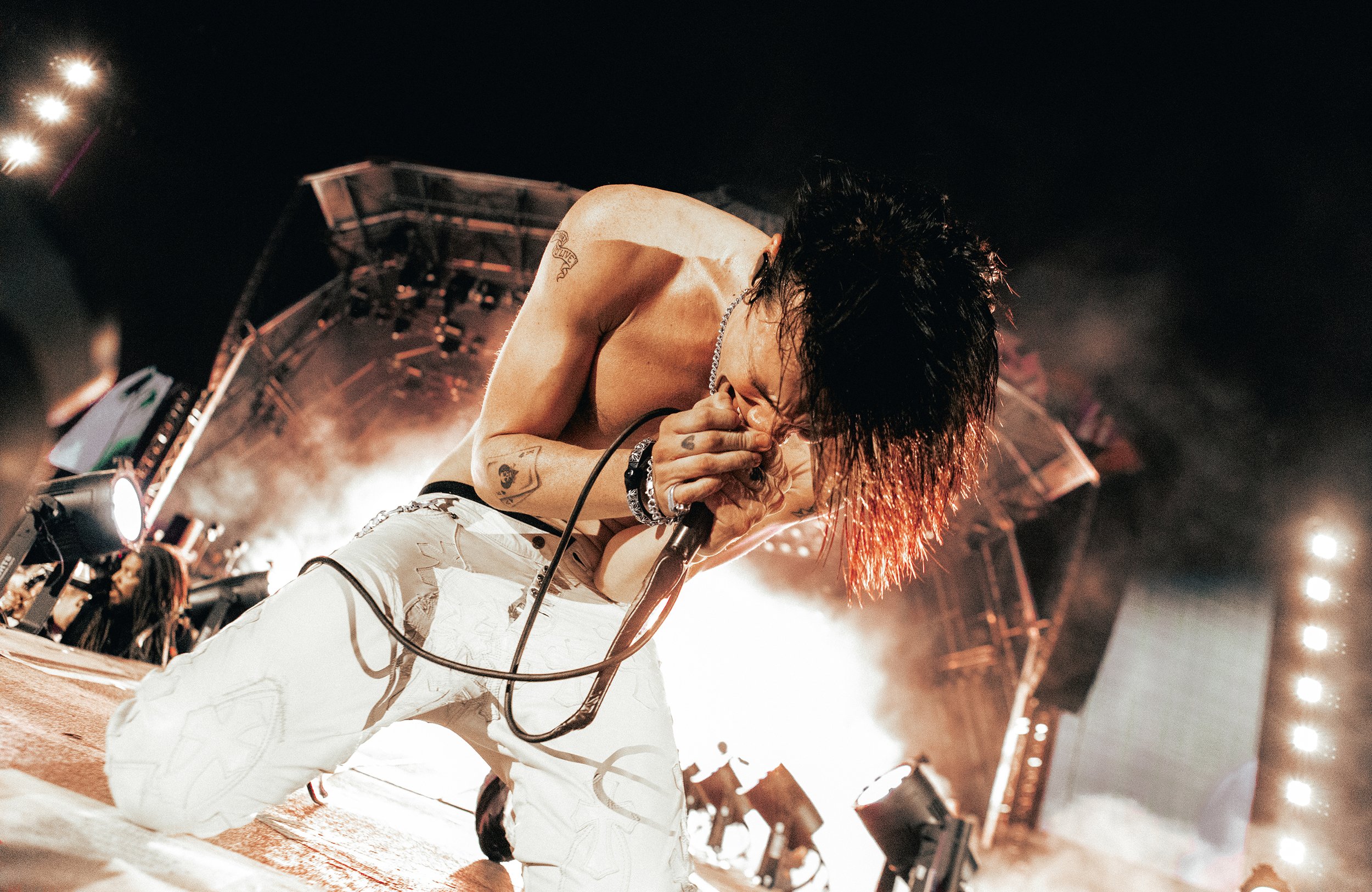
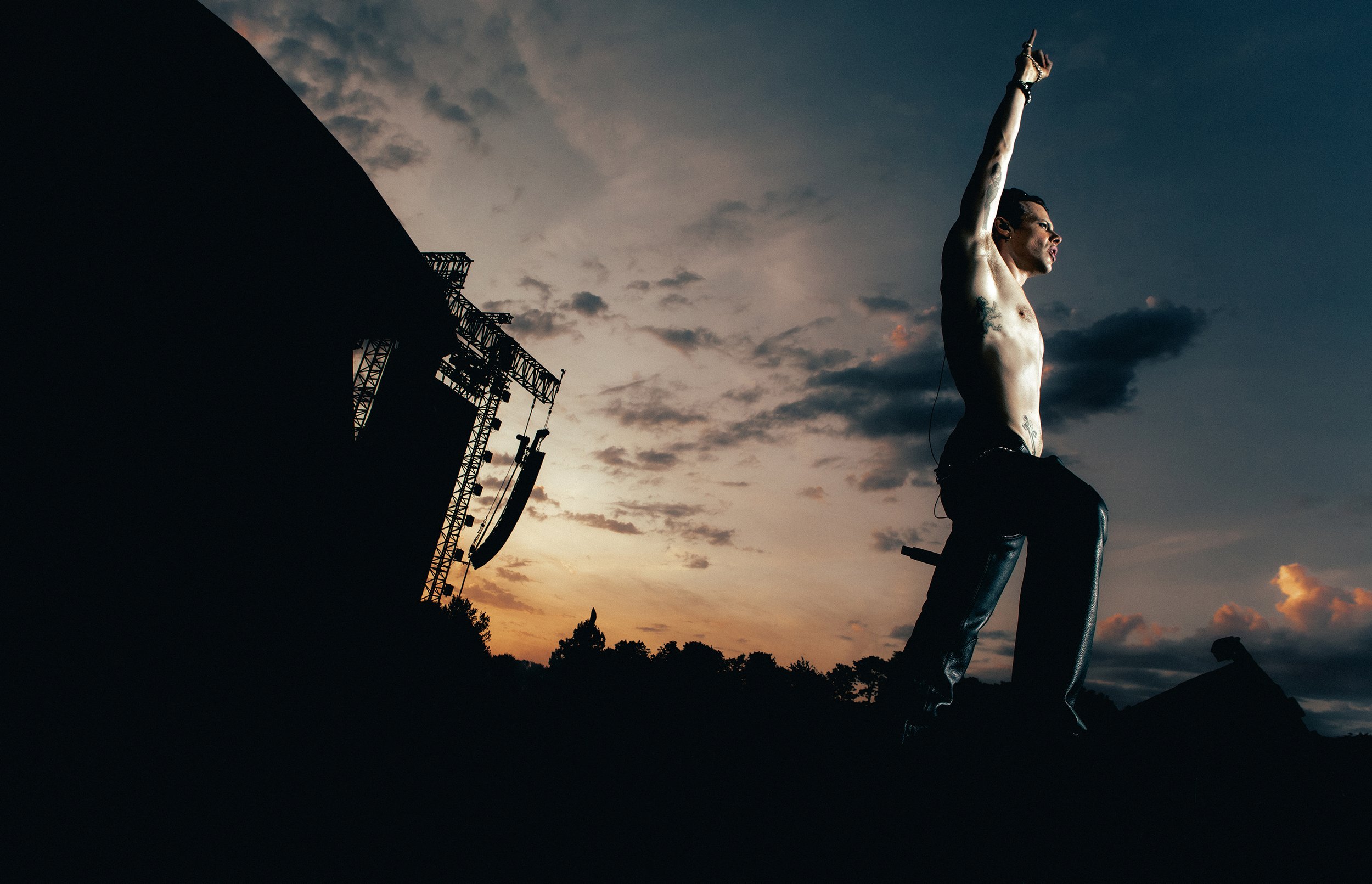
At B.R.A.T, creativity often come directly from the artist’s circle — friends, collaborators and fans. In some cases the line between creator and audience disappears entirely; one fan is even reportedly having a prom dress made through the project.
Despite his punk aesthetic, Harrison often speaks about legacy: the idea that rock artists inherit a tradition of cultural responsibility. When an artist as large as Yungblud begins this conversation, it’s easy to image what he has in mind. But for Dom, and his team, this conversation is almost void of his music all together.
The future of rock, Thomas Arnby suggests, might look less like a single superstar and more like a network. Artists, fans and collaborators creating something together, just as they once did on this narrow London street.
If Denmark Street’s revival succeeds, it won’t be because one artist saved rock music. It will be because a community rebuilt the structures that allow it to thrive. That is Yungblud’s ambition: to be a small part of rock’s grand encore.
