
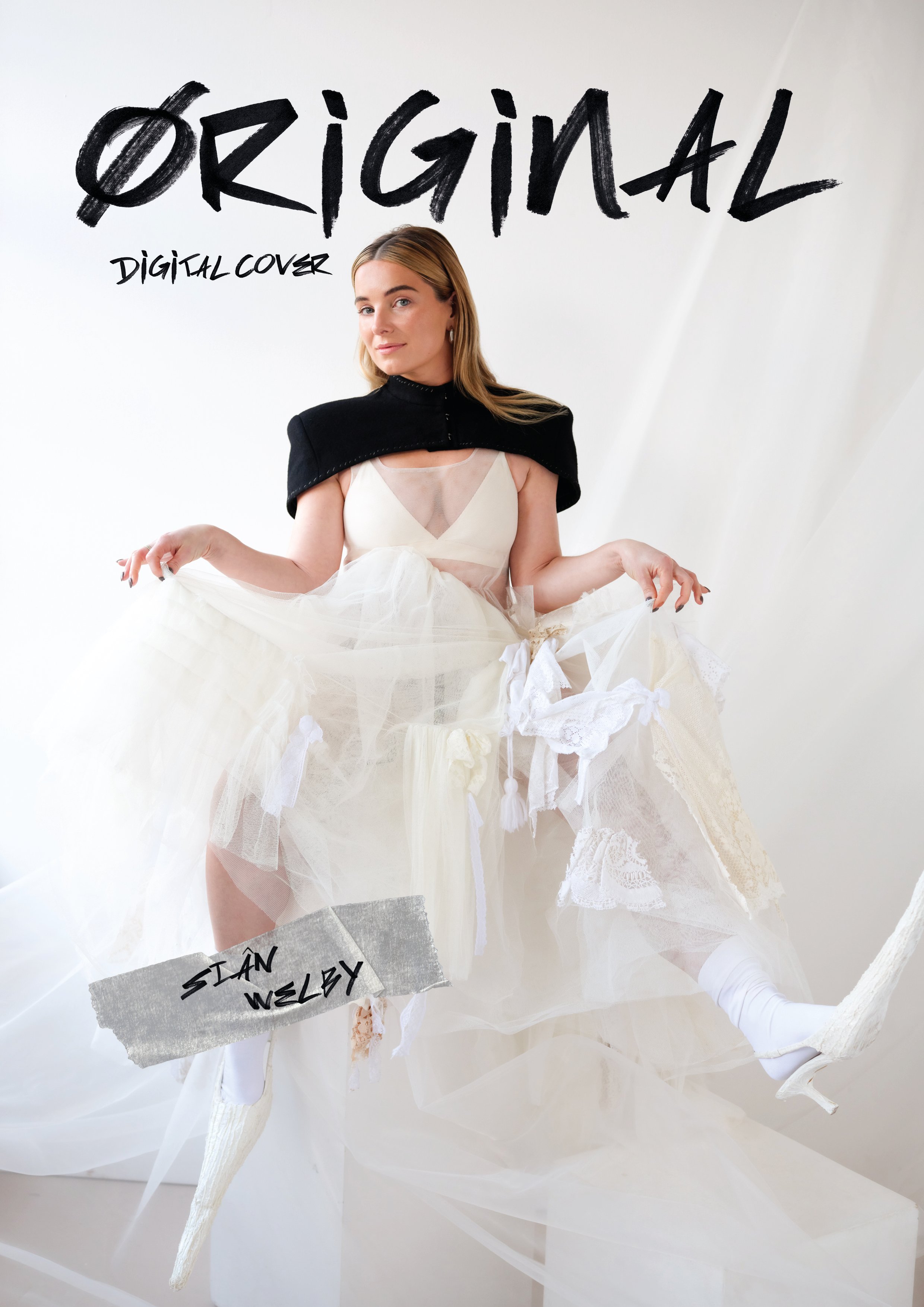
Siân Welby | April ‘26
Leading with Laughter: What it Means to Show Up For Yourself With a Smile
Interview by: Michael Morgan
Words by: Evie Summers
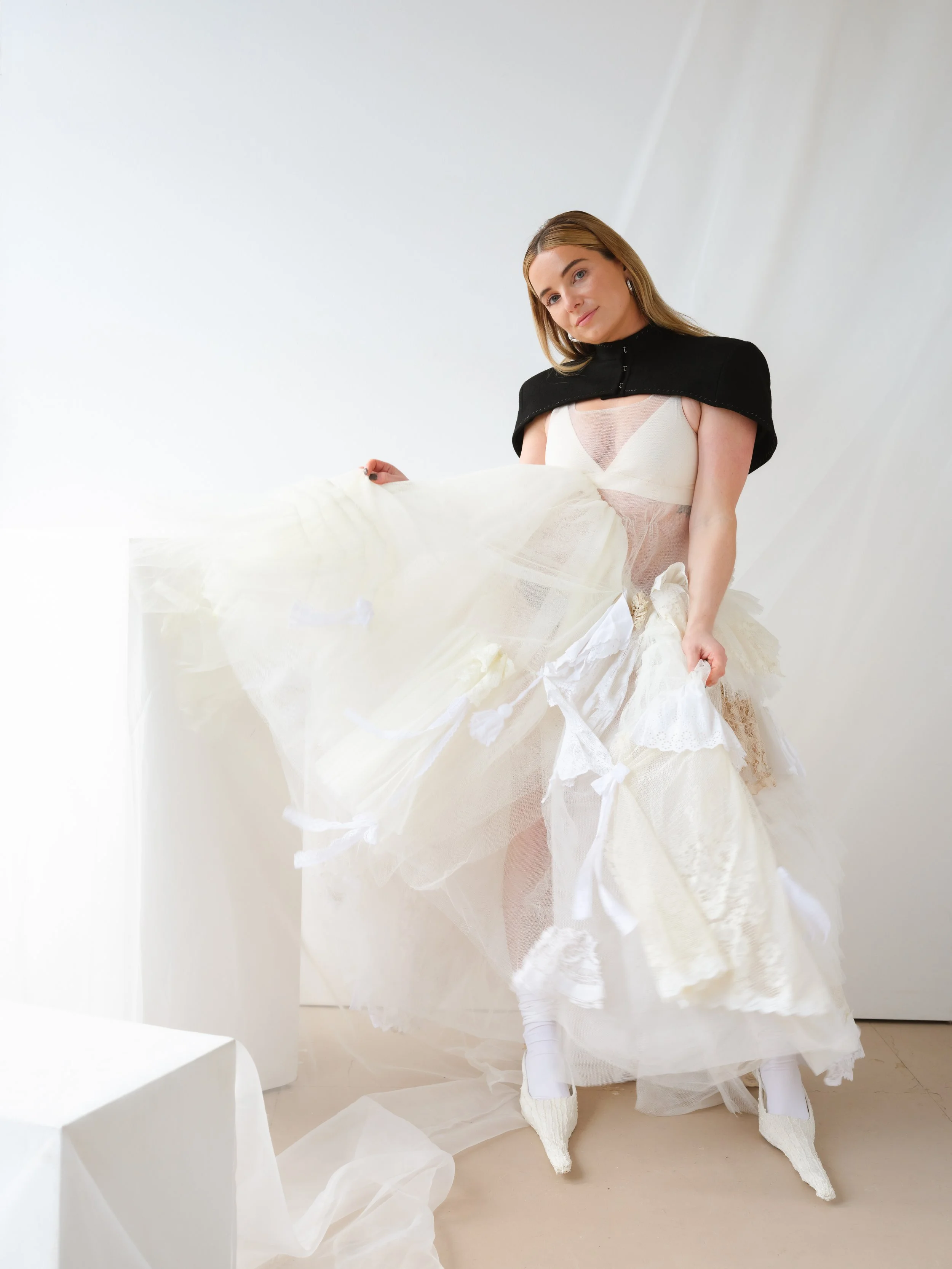
Lasting careers aren't built overnight, progress is hard, and the entertainment industry isn't a place of free passes. Siân Welby can attest to this: a fixture of British culture for over a decade, she knows firsthand the hard work it takes to make it and the often-harder work it takes to stay there. Through all trials and tribulations, it's been Siân's determined pragmatism and unshakeable humour that have cleared the path to and through success.
Before she was waking the nation with her warmth and wit, she found herself dreaming, like so many young people, of the entertainment industry. Hailing from, as she puts it, “a tiny, tiny village in the countryside of Nottinghamshire,” her first tastes of social charm were cultivated in “village hall productions”. Initially drawn to acting, she considered drama school and even attended auditions; yet she quickly realised it lacked the humour that drove her. “I think I just always knew it would be comedy. I was into acting, but drama school wasn't really ticking the box, 'cause I didn't really like all the serious side of it, it just wasn't me.” Struggling to find where she could fit between performance and comedy, it was an offhand remark tossed out in a sixth form corridor that would gift Siân her north star. “'Oh, you remind me a bit of Cat Deeley.'” And suddenly the idea took hold: “I wonder how you become a presenter.”
Within her, there has always existed this drive and an insatiable urge to improve, to make more, and to rise to the occasion; success is never a question of if, only of what it will take and how she gets there. Each step forward is decided and uncomplicated. Asked how one takes the daunting entry into such a coveted career, the answer comes simply and confidently: “It literally was like a Google search of how to be a presenter, and then there was a website that said the same thing, it was like how to be a presenter.com.” From there, it became a matter of uploading the best picture 2006 quality would allow and preparing to put yourself out there.
Working part time as a sales assistant for New Look, Siân found herself entering the industry in a blossoming new way. Though we would soon come to know this role incredibly well, it was unexplored territory, and these new kinds of online presenters were the first iterations of our now familiar influencers. We are perhaps now fatigued by the omnipresence of social media personalities, but at that time, we had not yet become so inundated with them. “There were those jobs starting to pop up, but on websites, and you would be presenting for somebody's website, and essentially, you'd be like an influencer.”
Now, the idea of influence holds a strange place in our culture: wealth disparity is at an all-time high, yet cultivating an audience and its rewards feel inordinately tangible; there is a great pressure not only to create this sphere of influence but to do so quickly. Spend too long on TikTok, and you'll believe that if you aren't already famous and loved by 22, you've missed the boat and your life is basically over.
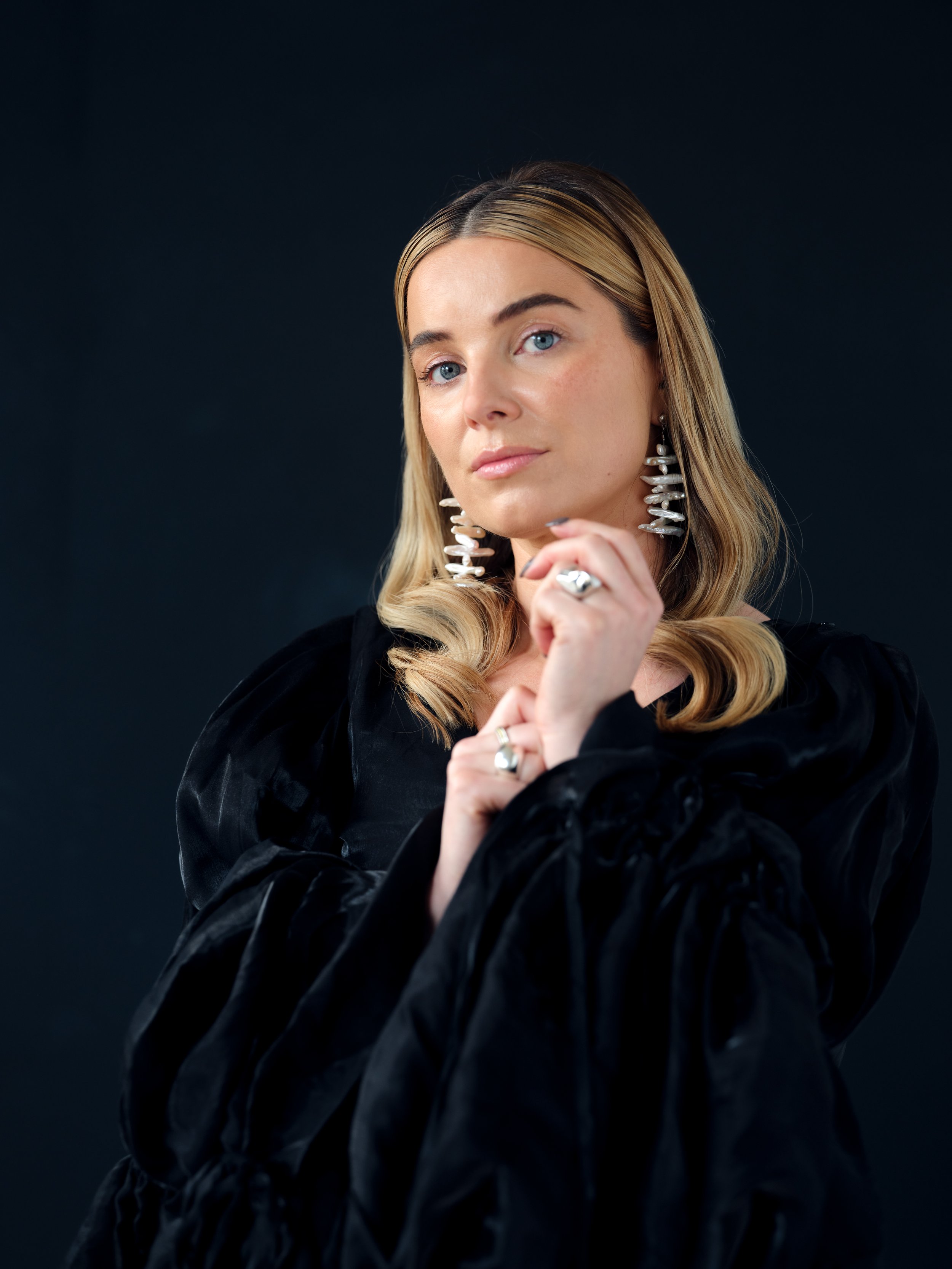
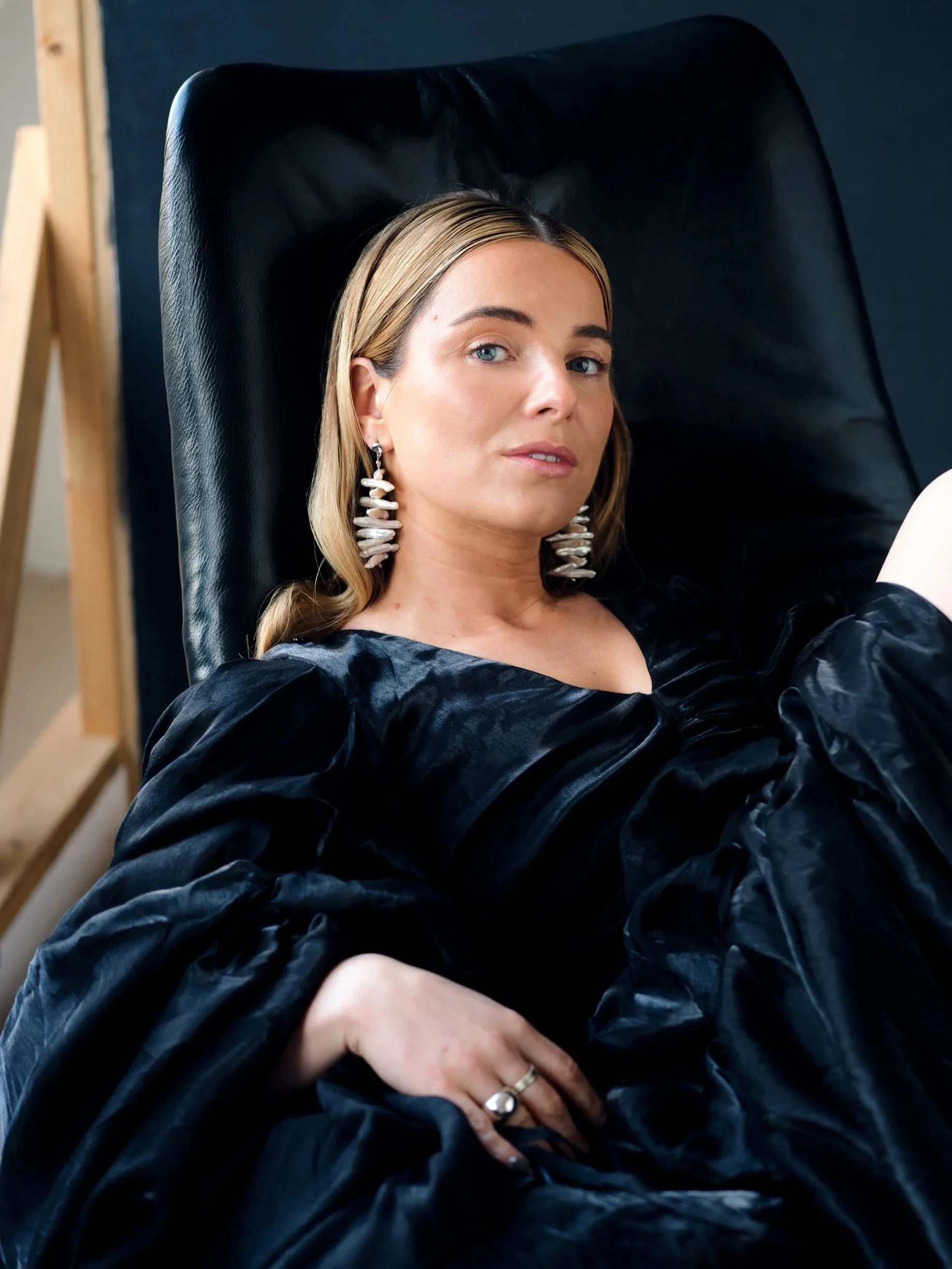
In the early 2000s, however, the idea that fame and success could be attained with little more than a camera and your own personality was both novel and invigorating. Siân's generation represents the first to have access to the promise of self promotion and a newfound independence through technology and online communities.
Siân's story is one of ambition, not of luck or easily handed-down opportunity; it is one of staggering commitment to forging a visionary future against the background of ordinary circumstances. “I used to lock up New Look in Newark in Nottinghamshire. Then I'd go into the fitting room with a camcorder, a light, sit on the big sofa in there because it had a cool backdrop, and I would host a show from that dressing room.”
Unperturbed by the simplicity of her resources, Welby has always been someone who takes chances when they appear, even if that means bending a few rules. “Obviously, I didn't get any permission to do it. I just cracked on with it.” There is bravery to her method, undoubtedly, but there is also a quiet, unshakeable trust in her own ability, and in the belief that the right opportunities will find her when she is ready for them. “I always sort of manifest these things and go, I will get the job. I will get this work. This will come to me, as long as I work hard, as long as I deserve it, and when the right job, and when it's my turn, it will be, and it will happen, and I just kept using that mantra.” It is not blind faith, but rather the coupling of patience and an unbreakable work ethic.
It's this drive and belief that have led her to a career as interesting and varied as it is. “I think, 'cause I've done so many things, I've done sport, I've done a lot of autocue and comedy stuff so by the time the big job comes, you want to be ready. Because if you get the big job or the big opportunity too early, you're not ready, and you might actually fumble it, and that's a horrible feeling.” Welby puts forward an idea we should all get more comfortable with: maybe opportunity is not some precarious swing rope we must desperately grab no matter how ready we feel, but rather something that finds us when we are most ready to take ownership of it.
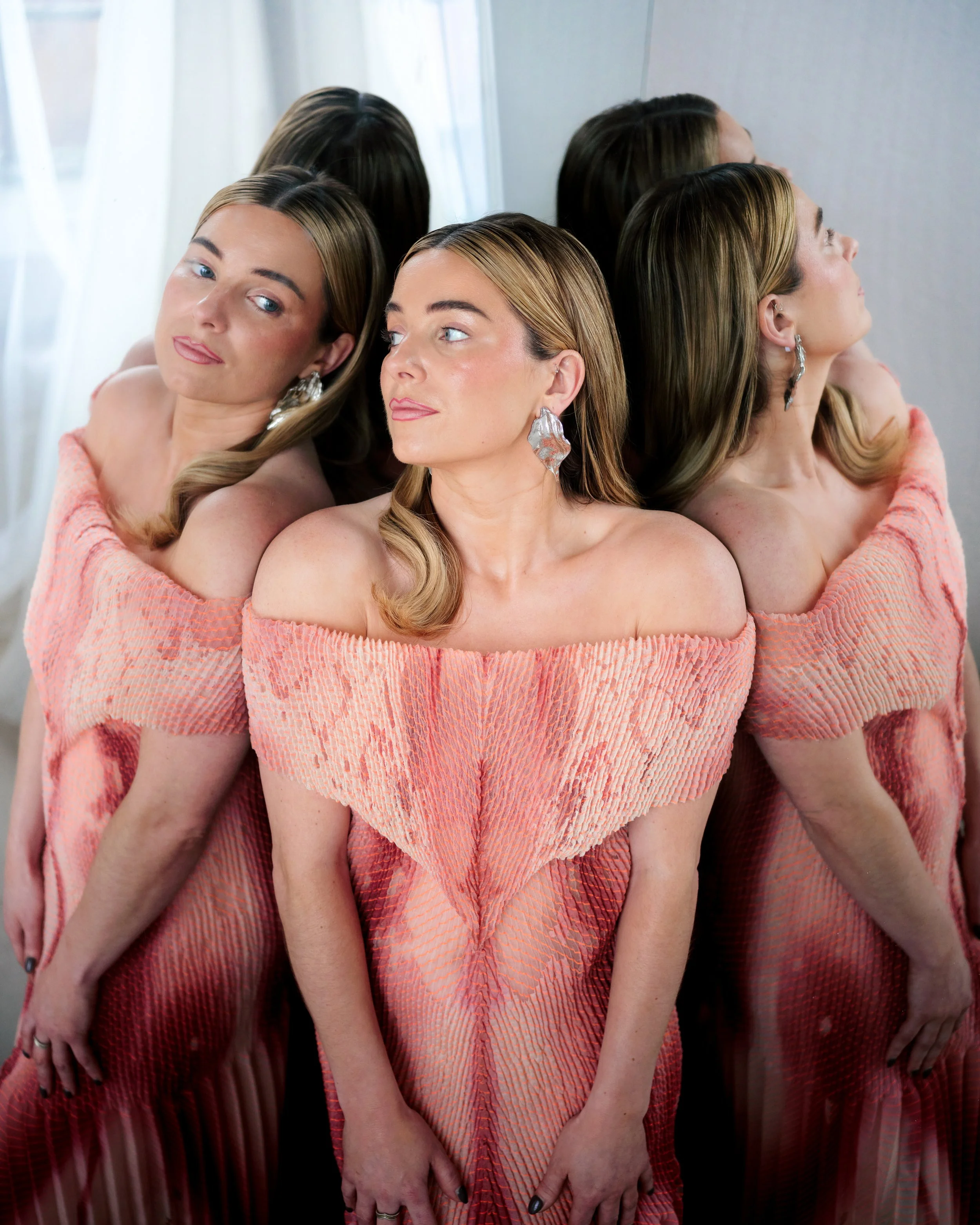
For Siân, this moment came in the form of a simple call. "It was life changing. The weather wasn't something I'd really considered as a job. I didn't even do geography at GCSE, so I was not the best equipped. But I just saw it as: this is it. This is the job that gets me to London, which means I can live and stay in London, and I'll work the rest out when I get there." It's not hard to conceive someone so brimming with passion wanting to bring that energy to what has been, for some decades now, Britain's epicentre for entertainment.
There is always, with London, the issue of access. As the capital, it is not just a home for culture but a site of significant wealth inequality, and though this has been exacerbated in recent years, it has always presented challenges and barriers for working class people trying to build their careers.
Wealth divides greatly impact who can afford to follow their passions, creating barriers that can feel insurmountable for the average person. So, for Siân, securing a position at Channel 5 represented much more than a first big job; it represented, at last, access to the world where she could finally be recognised for her skill. As ever, she quickly brought her charm to the position, making puns and audience interaction a hallmark of her broadcasts. Her first breakout moment earned her worldwide recognition: tapping into the resurgence Star Wars buzz, she cheekily invited the British public to see how many puns they could identify in that evening's weather report. Wielding social media and her perfected comedic timing, she did more than add a little fun to that night's broadcast, she opened a new way for the network to engage audiences.
“It was all about Twitter back then. I managed to beg Channel 5 to give me the footage, because they didn't know. They'd never shared a weather forecast on Twitter. There was no process for doing it. I remember waiting till 5.30 in the evening, which was at the time a very peak time to post, because people had finished work, and so I put it out at the right time, with the right hashtag, and with the right question.”
More than serendipity, Welby has always had an eye for detail and planning though all the planning in the world probably couldn't have prepared her for what followed. “It was only the next morning when I woke up, and it had gone bonkers. I was on Good Morning America, and I was on Australian radio, and K Rock it was mad.” Sometimes moments like these seem, from the outside, to be overnight successes, instant hits brought about by some strange luck, but that would be to massively undersell how thoughtful Siân Welby has been with her life and career.
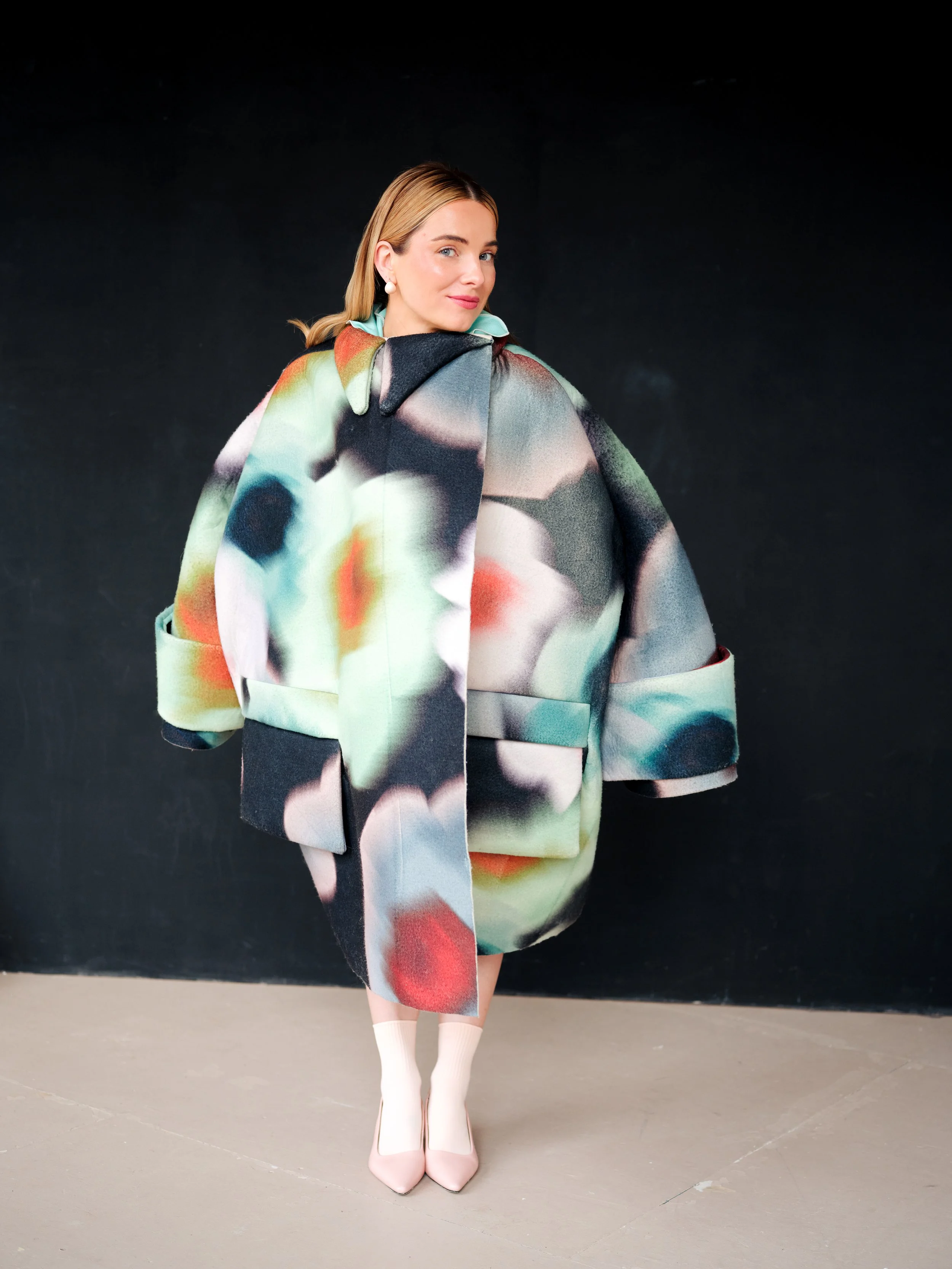
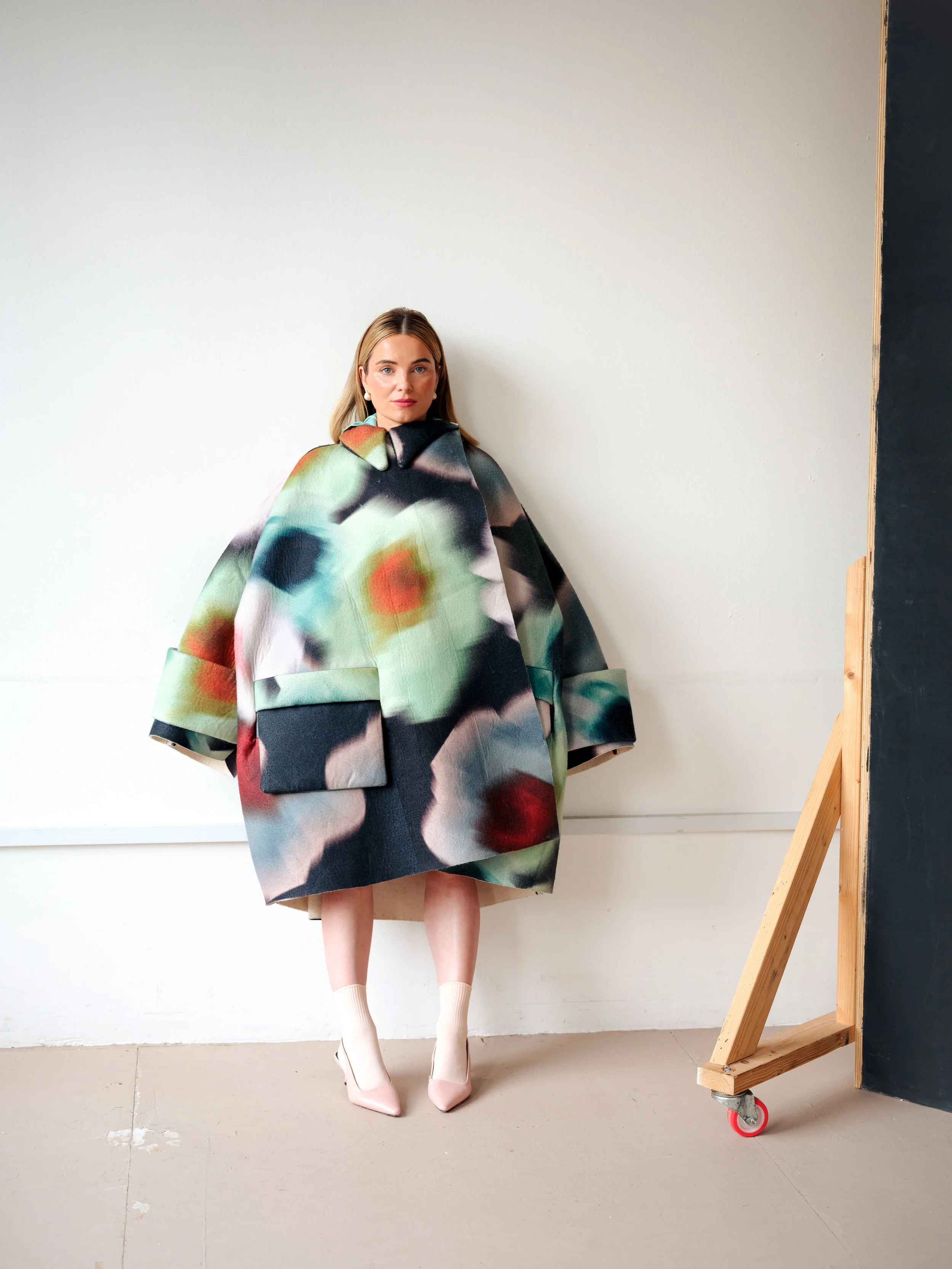
Now, as she navigates life as a first-time mum, she brings the same considered approach to a whole new challenge. She came up at a time when women were told they could have it all, career, children, why sacrifice? But this isn't always as simple as it sounds, because, as many women know, having it all often means shouldering all the responsibility and all the guilt.
“I still will use the term mum guilt, but I don't like it. What I've realised is, there is so much evil and horrible in this world, but the parents who are feeling any sort of guilt are the ones that are doing their absolute best, you're doing the best thing you can do in your circumstance.” It's a sentiment not often afforded to mothers; whichever you choose, career or family, you can be made to feel that you are failing in either, or God forbid, both.
“Most of us want the career that we spent loads of time building up to, and in the same breath, we'd love to spend every single moment with our kids. But the logical chat I have with myself is that it's not possible. I've got to pay bills, and I've built a career that I'm not gonna just throw away, because why should I?” It is the thing people are so often scared or unwilling to say: why? Though you love your children, does that mean you must sacrifice all that you created for yourself before them?
Welby's answer is a firm no. You must allow yourself the freedom to continue existing outside the role of mother, because you can be both.She's able to acknowledge it plainly: “Sometimes work comes first, and yes, you're gonna get guilt for that. And other times, you build a boundary and say, no, this is about my family. And I think the key thing I always wanted was to build a reputation where people would know I'm a grafter, and I'm not a piss taker, and that if I say I need tomorrow off work, it's because I really do.”
As we closed our discussion, we looked to Siân to share some of the wisdom she has gained through her now storied and impressive career. Whether it's been regaling us with the night's weather or brightening our mornings, she's always brought a vigour to presenting that feels both admirable and aspirational. “It's all about being realistic, but being authentic, and that's something that I've learned, that actually you don't have to be the best at anything. You don't need to be the best. You just need to be the one who can do it really authentically to whatever you do.”
It's an important reminder, in a world of fast gratification and instant success stories, that the best lives are built thoughtfully and honestly. There's no substitute for hard work, but every day, there's a chance to move forward towards that goal, and sometimes there's even time to smile as you do.
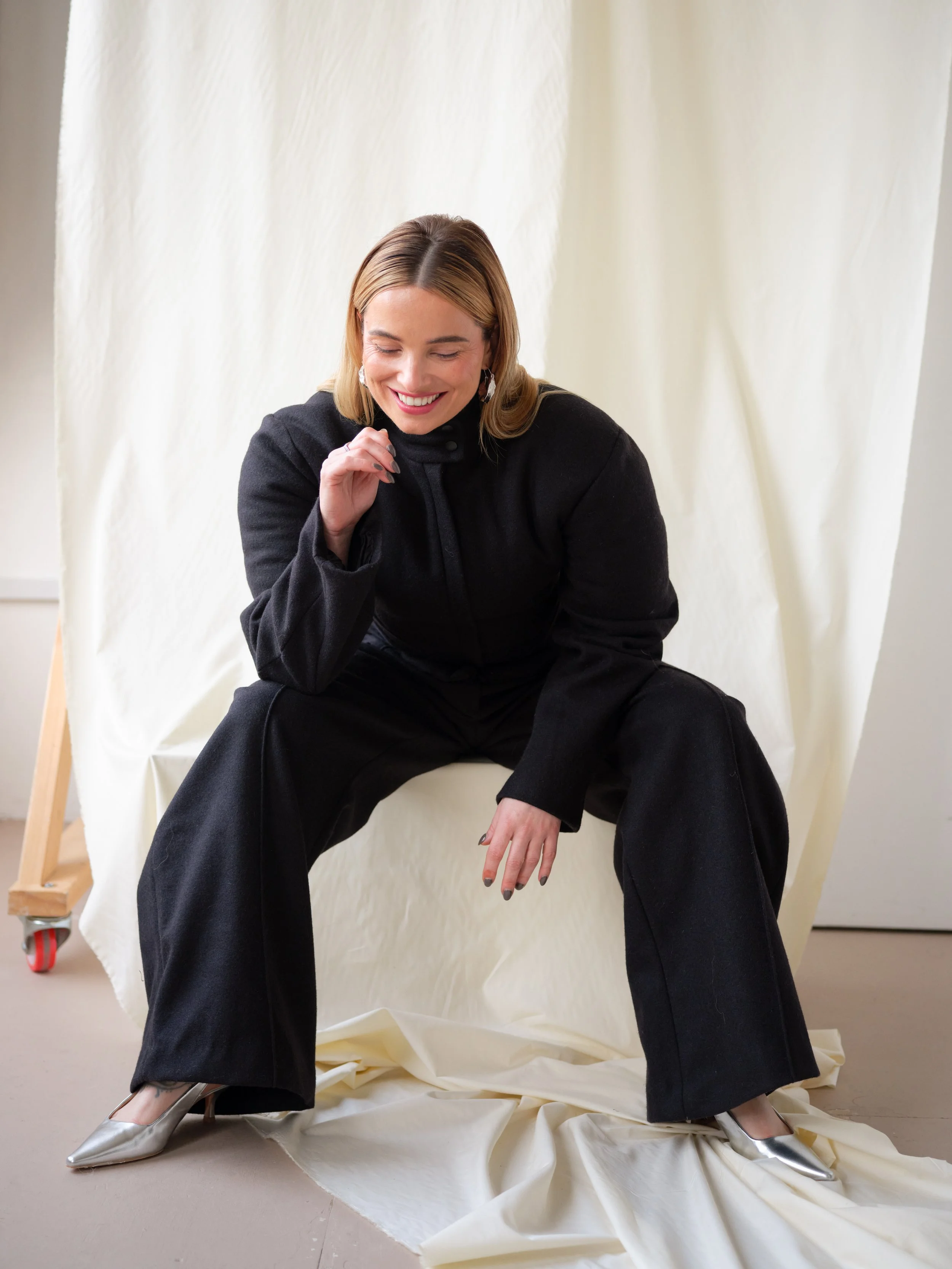
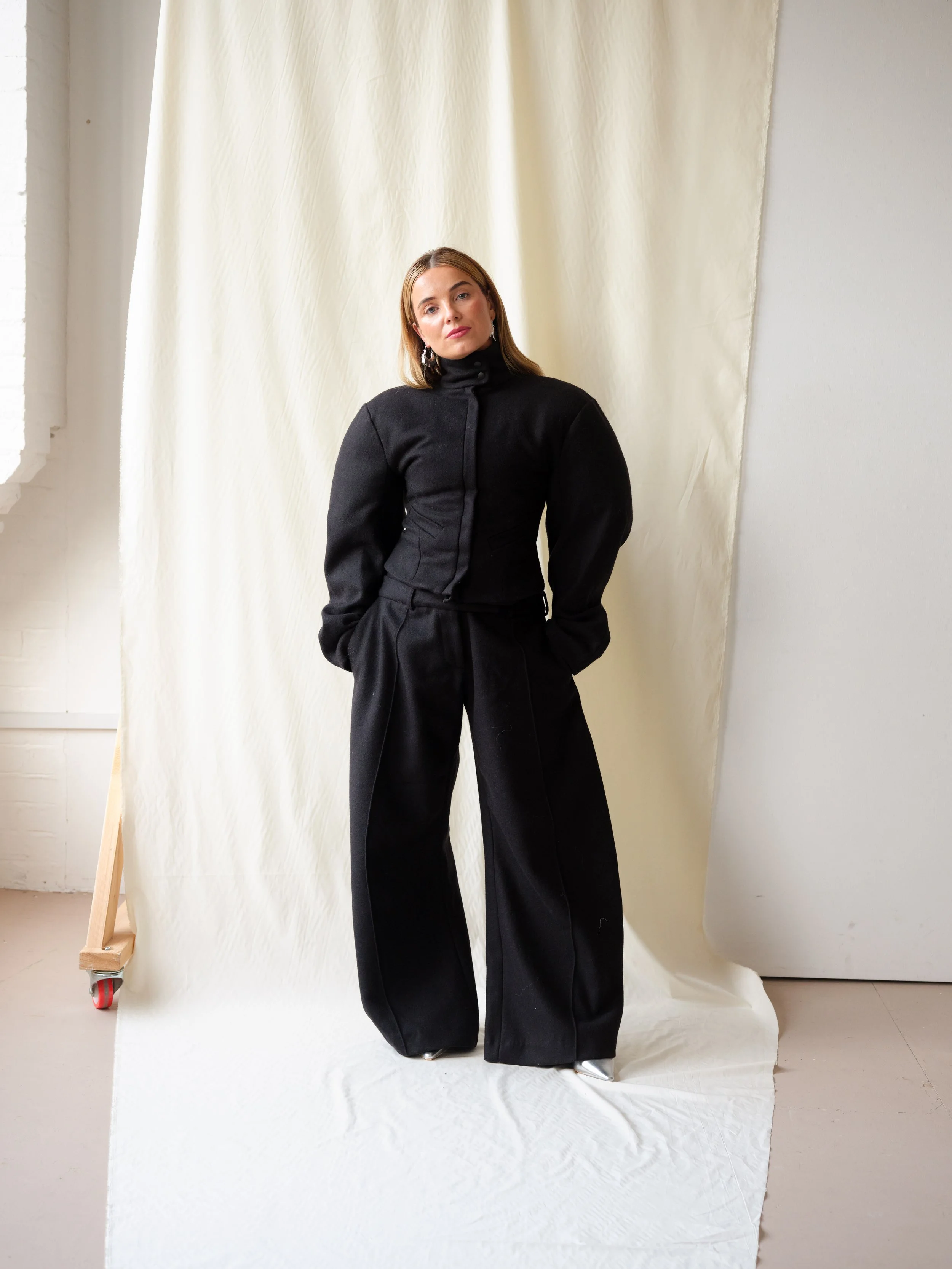
Team Credits:
Photographer: Gil Warner
Stylist: Rianna Irvine
Set Design: Paula & Charlie | Artnaud Studios
Photography Assistant: OldNightKid
Styling Assistant: Emma Louise Wells & Charlotte Kelsey
Hairstylist: Kiera O’Brien
Makeup Artist: Alice Boxall-Knowles
Art Directors: Michael Morgan & Emily-Grace // Original Magazine
Creative Assistant: Dulcie Poole
Studio: The NOOK
PR & Management: Edge Ent
