
Chelsea Jordan | May ‘26
Words by: Evie Summers
Recently, I've found myself lost in two things: reading and Chelsea Jordan's new EP, Better late than not at all. Currently, the dots have been looking to connect between music freedom and romantic grief. I've been reading Joan Didion's The Year of Magical Thinking while researching Jordan. It is a book reflecting on the grief of losing a partner and the confrontation of yourself without that presence to distract. Joan writes: "For forty years, I saw myself through John's eyes. I did not age. This year, for the first time since I was twenty-nine, I saw myself through the eyes of others". It captures a situation where our primary mode of self-assessment is directly in relation to another person. It is this journey of self-discovery that Jordan’s EP drives headfirst into.
As women, we spend a great deal of our lives confined to the lens of others, often the male gaze. Men become the prism through which we view ourselves. In a world of technology, this gaze has extended itself further. The integration of AI is a topic that feels growingly relevant; Jordan herself suffered an incident recently where her Spotify was hacked and her voice appropriated to create songs she had no part in.
"I felt violated and I felt like there was nothing to be done," she says. "Somebody has hacked my account and is using my face. My voice. Releasing music under my name. It's like, how is that not illegal yet?". With this new wave of technology, we are witnessing a whole new way to victimise. Digital autonomy becomes akin to bodily autonomy. Beyond the personal, there is something unnerving about the ease with which AI has begun to replace our sources of income and the shared authenticity we have with artists we love. "For me personally, I am not supportive of AI in music," Jordan asserts. "I think to be consuming AI and not knowing that it is should be illegal".
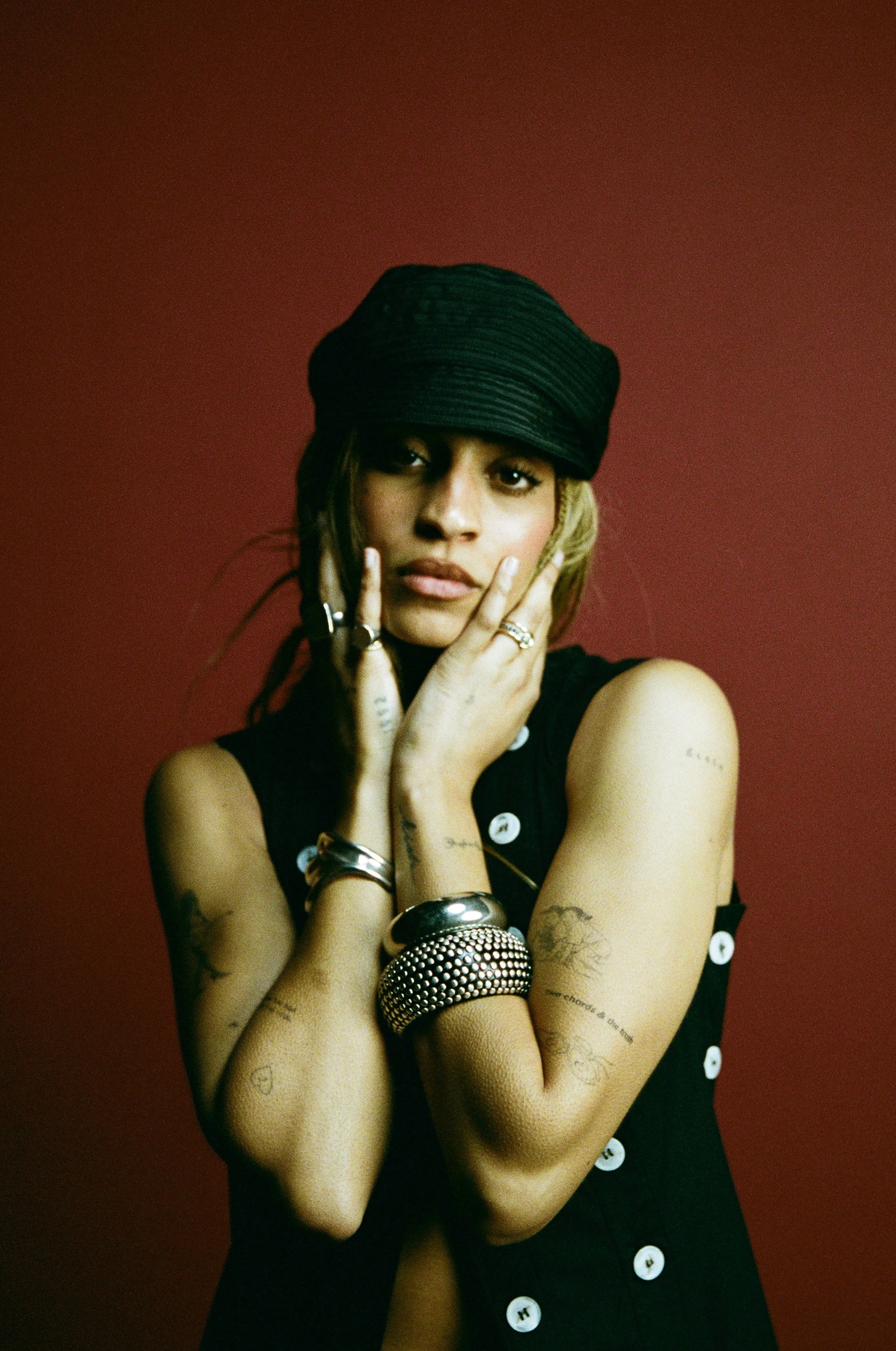
In an age so saturated by automation, we are all searching for deeper connections. Artistry has always required a level of marketing, and often it's easier to sell the "star in a dark sky" with no one else to split credit. This isn't something Chelsea Jordan subscribes to; for her, her power is her community. Her primary pronoun is "we". "I would not be who I am or have the sound that I have or have any sort of success that I've had without them," she says of her collaborators. "My day ones are my grounding, my place of comfort".
This EP tracks the end of her relationship with a person who "did want to get to know (her)". Feeling emotionally neglected in young relationships is common; we’ve all sat asking, "Why doesn't this person just understand me?". Interestingly, the EP focuses on her journey outside of that relationship. It is a careful and earnest exploration of what life looks like alone after love. Writing is her therapy, and parts of ourselves we think we've conquered magically reappear, like shame. "I blamed myself for it, because he was really my best friend, and he was so sweet, and I broke his heart by breaking up with him," she admits.
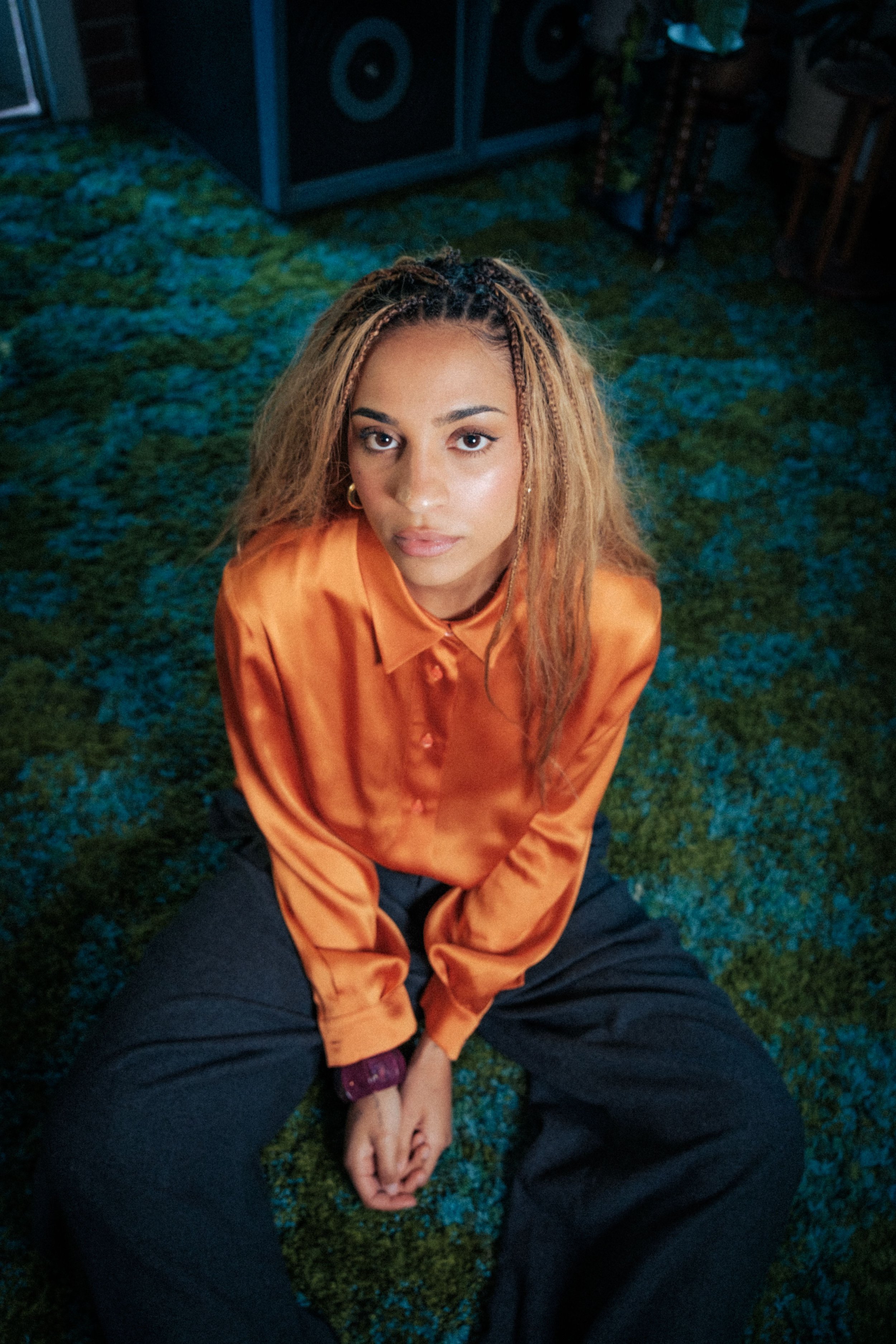
Jordan is not an angry person. "I very much like letting my emotions move through me," she explains. "I really don't feel anger often at all. And so it would make no sense to have it in the project". We have become so accustomed to understanding breakups as huge, fiery events, but for Jordan, this wasn't the case. For a love to be done truly, it doesn't have to end in flames. Perhaps that is why so many find themselves trapped in unfulfilling relationships, unable to leave because we justify dissatisfaction with comfort.
"I remember him telling me when we broke up that he thought he was going to marry me," Chelsea recounts. "And I was like, so shocked with how little effort he put into making me feel loved, even when I consistently made it known that I didn’t feel loved". From a young age, we condition men and women differently. We tell girls they must be responsible, kind, and forgiving; essentially, a girl's first lesson is that she is responsible for the actions of others around her. We become the mitigators.
We have been taught that love is a divine force that can only be found, appearing as a finite resource. We feel this pressure to cling to it tightly, believing if we let it slip even a little, it may be lost forever. But as author Robert Fritz describes: "If the only love we experience and express is the love that happens to us... and not the love that we are able to originate, then we miss an entire dimension of love". If we understand love as something that comes from us, not to us, maybe we would have an easier time relinquishing it when it doesn't serve us.
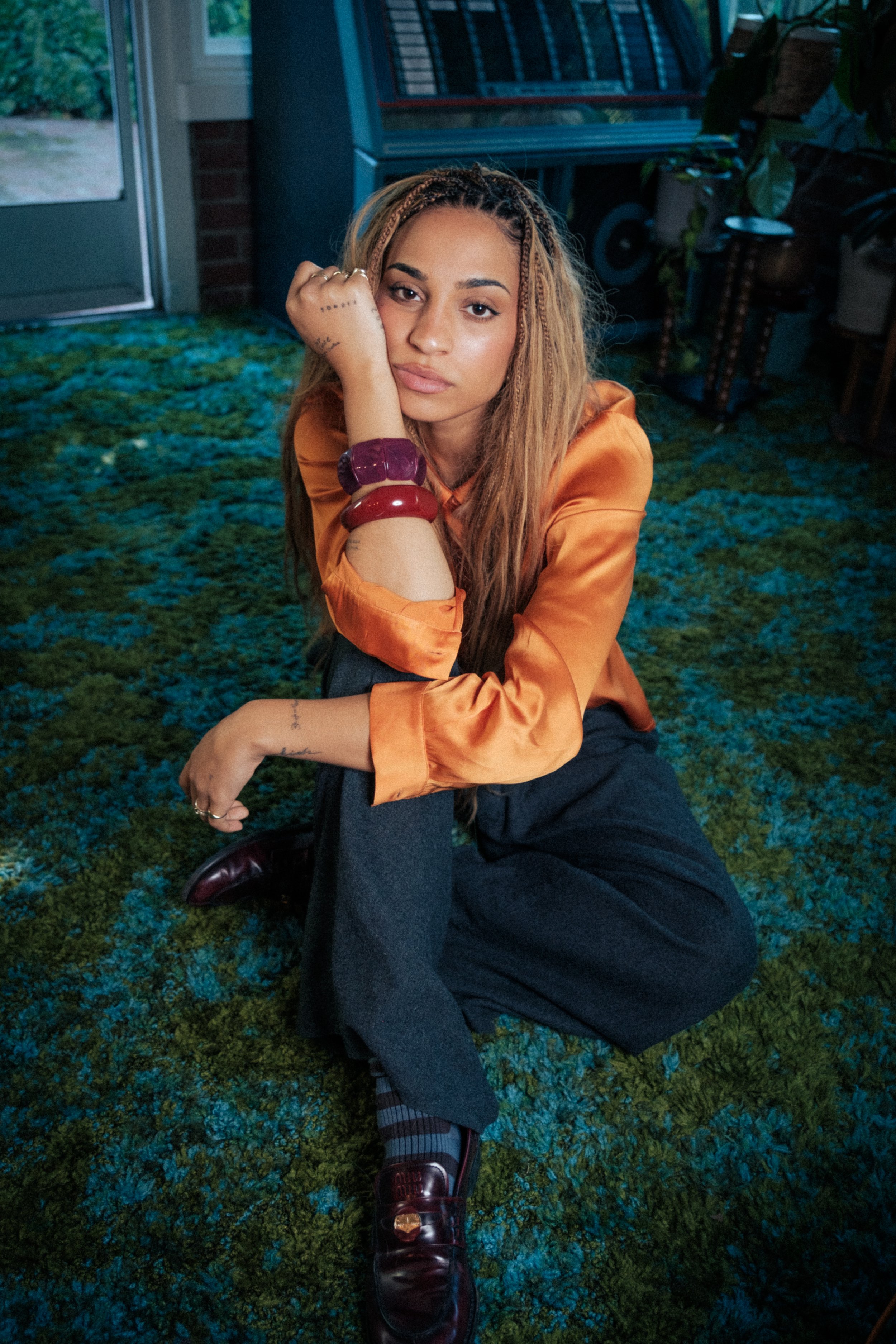
There is a calmness to Chelsea's approach. On an EP such as this, every song feels impactful yet comforting. "Halfwaythru" is a fun and playful ode to an extrovert, inspired a trip to London with her writing partner, Jamie Gelman. She balances quietly heartbreaking lines like "the parts you fell in love with now you just put up with" with charming lines of "I love a cheeky glass of wine and cigarette". "This was the first song I wrote where I was like, this is who I am either love it or you leave it," she says. It marks the turning point where we see Chelsea start to own herself and reclaim some of what has been dismissed by her partner's lens. In the end, Jordan’s process is instinctive.
Now working on an album Chelsea, and the people who make her work what it is, will no doubt offer us an insight into the beautiful and ever changing world that is her life. With touring ahead and more beautiful revelations, she's an artist who is always bound to surprise in the best way.
