
Angela Scanlon & Vicky Pattison | July ‘26
Interview with Angela Scanlon & Vicky Pattison Co-Hosts of Get A Grip Podcast
Words By: Lily Egleton
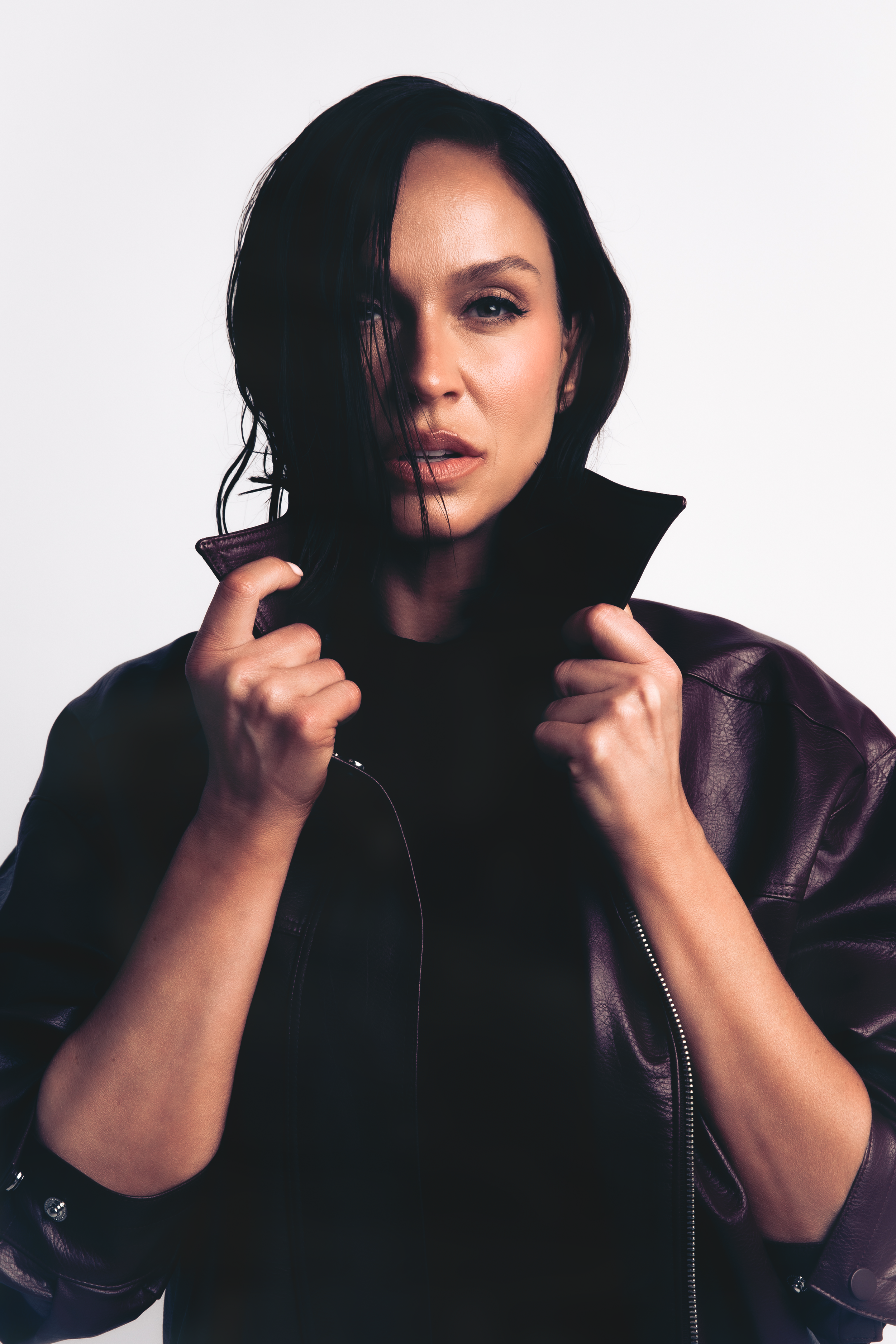
Described as an unapologetic group chat, Angela Scanlon and Vicky Pattison’s podcast Get a Grip stands out not only for its ability to ricochet between humour and vulnerability but for Scanlon and Pattison’s ability to authentically cover the messy realities of womanhood and being able to empower listeners or what they refer to as their “Gagglers”. Even the titular phrase “Get a Grip” is an attempt to reclaim the phrase so often used to invalidate women’s lived experiences and to suggest an inherent weakness within women. When scrolling through their episodes, titles like ‘I Aspire To Be A Difficult Woman!’, ‘We LOVE A Feral Woman!’, and ‘Love Your Bodies Girls!’, inspire us to hit them as an instant “like” in our Spotify podcast playlist a testament to Scanlon and Pattison’s overt charm and wits, as well as their ability to candidly express the experiences of being women in a society which often demands that we “calm down” or suggests that we are “too much”. Within that sentiment comes the inherent necessity for a podcast such as this: unfiltered, chaotic, humorous, confident and real.
‘We LOVE A Feral Woman!’
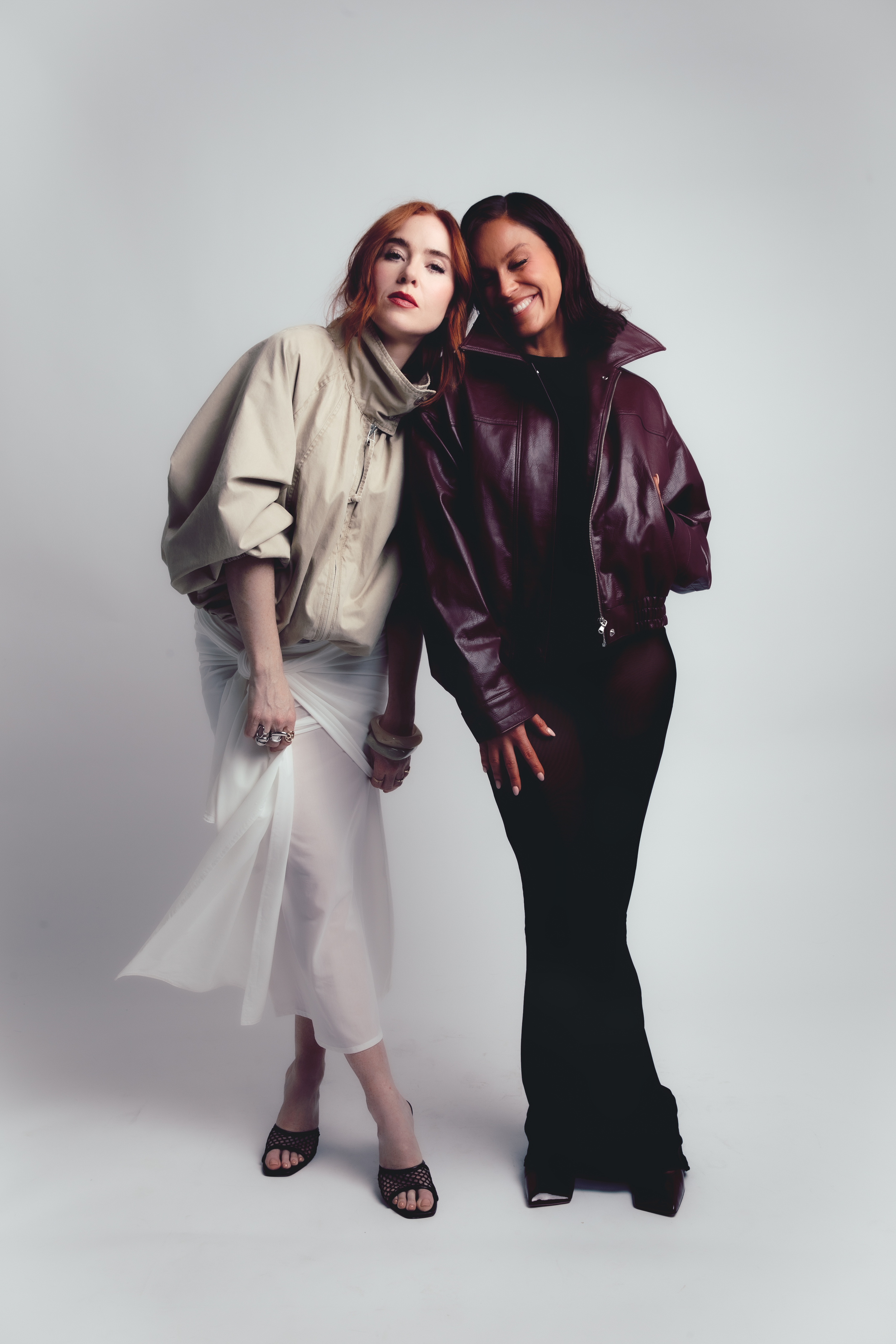
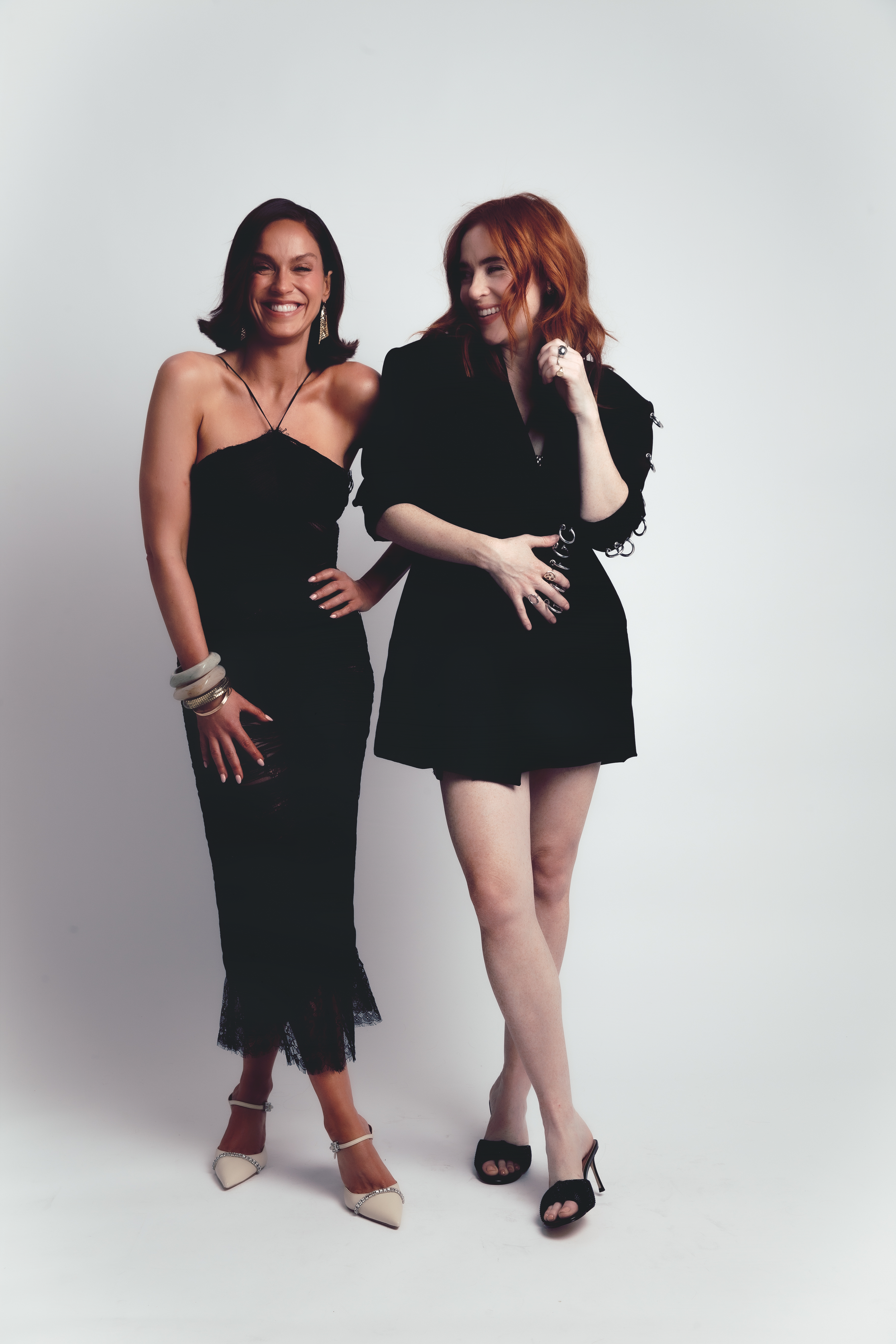
I wondered if this podcast was born out of that very need. Between their interesting and unique career trajectories both as presenters, media personalities, and reality TV stars they are the perfect fit to co-host a podcast together. As soon as we began talking, not only were they kind, humorous and authentically themselves, but I could instantly tell how strong their friendship and respect for one another is. Within our interview, it rapidly became apparent that the ease listeners hear each week is not manufactured for the microphone. They bounce off one another with the same warmth, quick wit and occasional exasperation that characterises long-standing friendships, creating a space where disagreement is welcomed just as much as solidarity. Rather than positioning themselves as people with all the answers, Scanlon and Pattison seem far more interested in asking honest questions, challenging one another's perspectives and, in doing so, giving their listeners permission to embrace the contradictions of modern womanhood. It is perhaps this refusal to present a polished or perfect version of themselves that has resonated so deeply with their ever-growing community of "Gagglers".
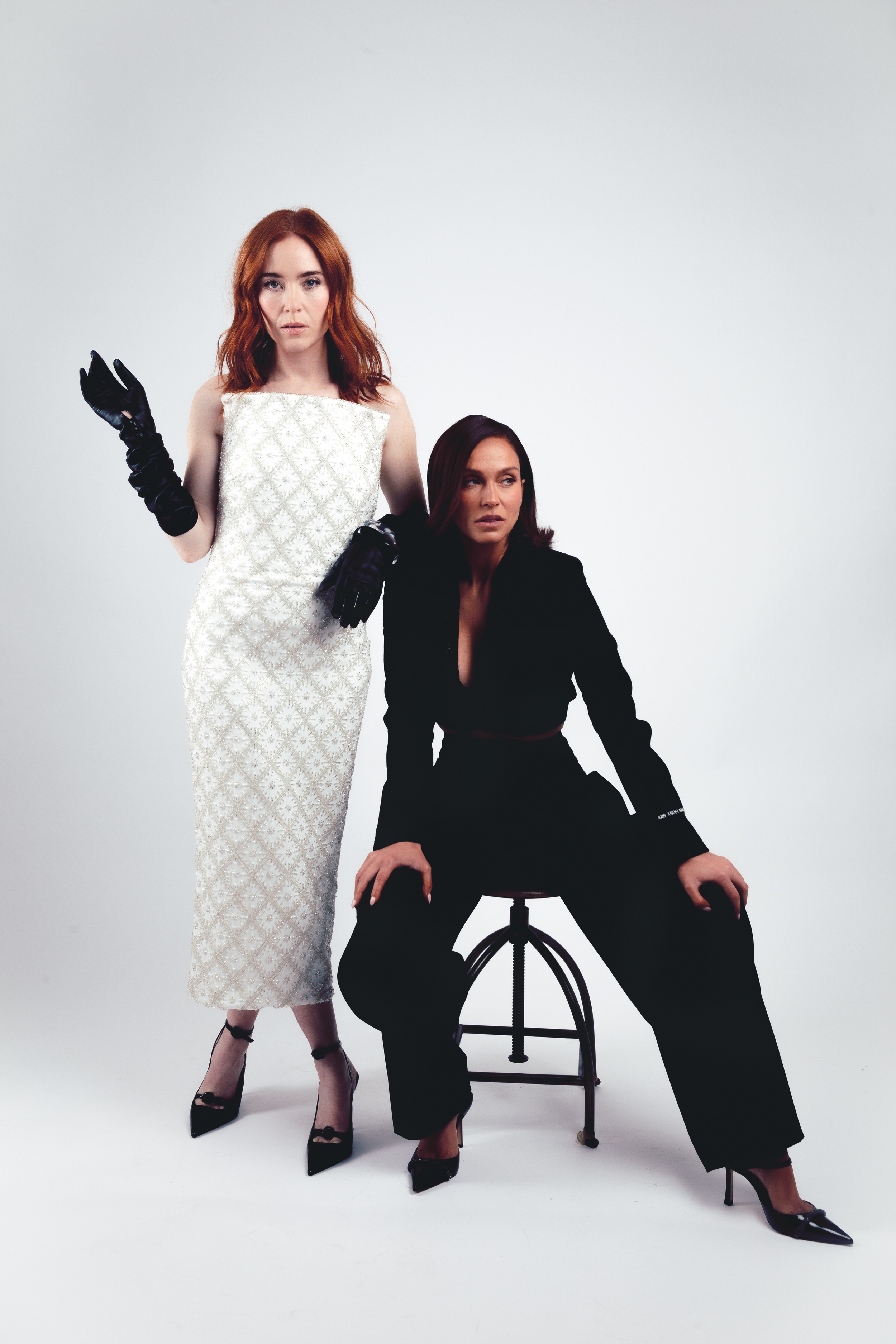
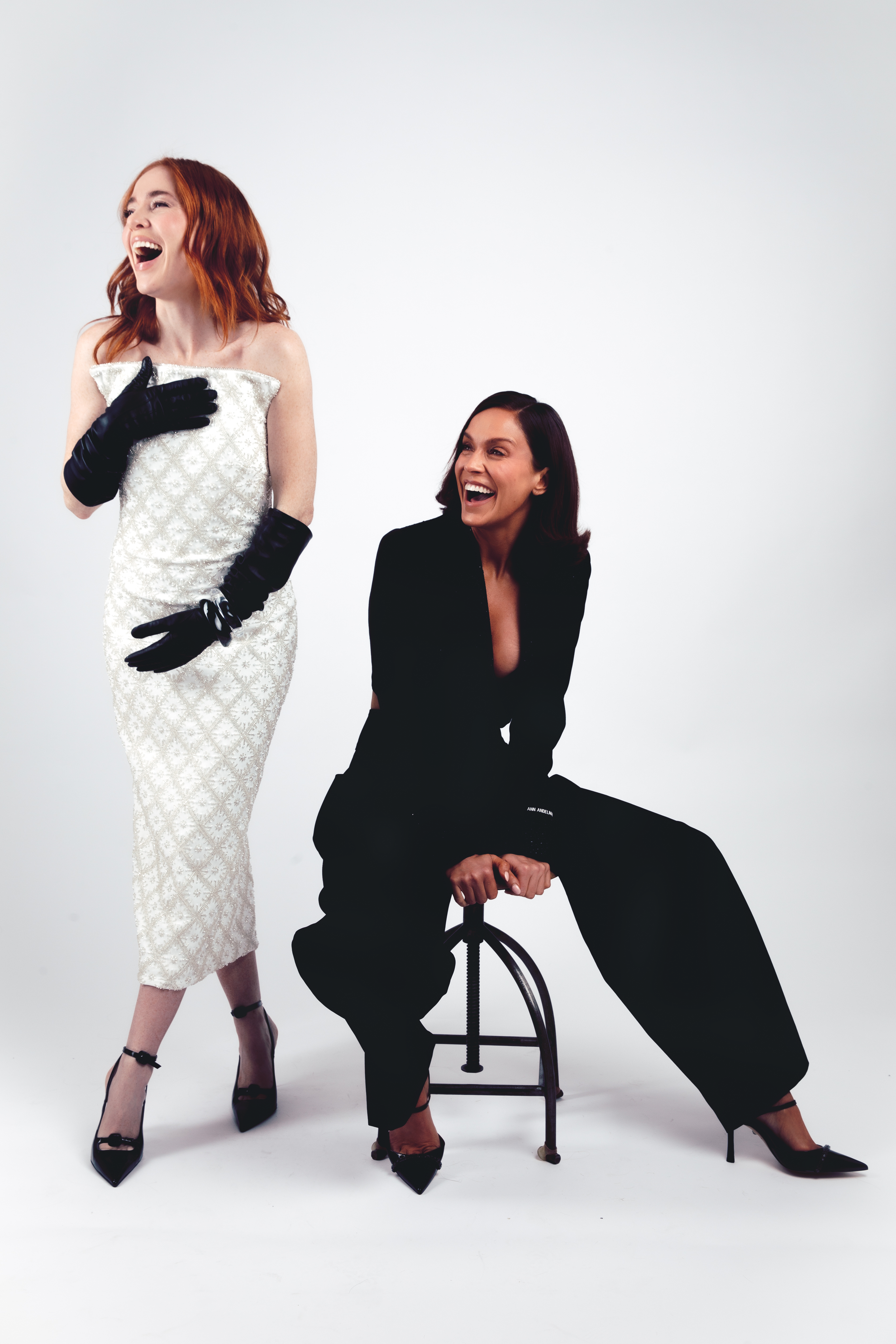
When I asked where the original idea for Get a Grip came from, both women returned to a remarkably simple premise: creating a space where women could simply exist without performance. In a society where women are so often expected to be polished, composed and endlessly accommodating, Get a Grip deliberately rejects those expectations. Scanlon described the podcast as somewhere women can arrive "without any sense of having to perform" or "wear a hat", encouraging listeners to "just come as you are in whatever state you're in." There is something quietly radical in that invitation. Rather than asking women to become a better version of themselves, the podcast asks them to stop pretending altogether. Scanlon’s invitation to “just come as you are in whatever state you’re in” therefore feels quietly radical.
Something I adore about the podcast is that they reject the idea that women must first make themselves more palatable before they are worthy of being listened to a message I find particularly empowering. Additionally, Scanlon alluded towards women being “forced, I suppose, to pick a lane or stay in a little box”, which I found incredibly interesting when considering the restrictions placed upon women in a society which often places arbitrary limitations upon us: women are often encouraged to be ambitious, but not intimidating; vulnerable, but not unstable; funny, but not unserious; outspoken, and never a phrase I resent - “too much”. Get a Grip deliberately resists that pressure to remain legible or consistent with Scanlon observing how women are “very multifaceted” which the podcast certainly makes room for. The hosts’ conversations can move “from madness to tragedy, to rage, and back around in the blink of an eye” something I would consider a distinctly female experience. That tonal movement is not evidence of a lack of focus throughout the podcast, rather reflecting the emotional complexity of womanhood itself, where these facets exist simultaneously.
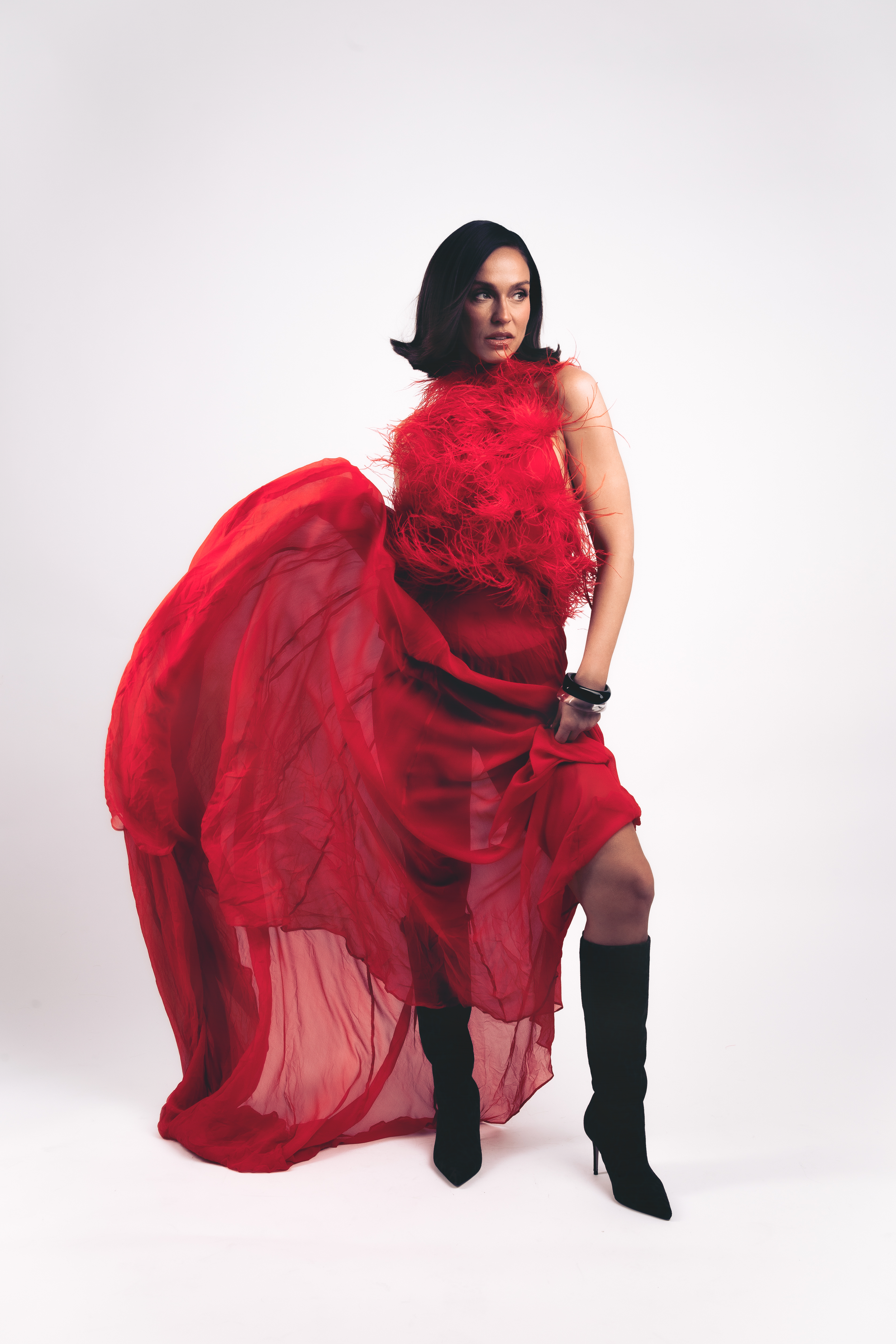
Pattison expanded on this by explaining that women navigate countless experiences which can often feel deeply isolating. Relationships, fertility, infertility, periods, reproductive health, motherhood, careers and gender inequality all carry their own emotional weight, yet so many women continue to believe they are struggling through these experiences alone. Get a Grip exists to dismantle that isolation. It acknowledges that womanhood is rarely neat or linear, but instead contradictory, exhausting, hilarious and overwhelming all at once. As Pattison put it, "You've got to laugh sometimes or you'll cry." That philosophy seems to underpin every episode. Humour never diminishes the seriousness of the conversations taking place. Instead, it becomes the vehicle through which difficult truths become easier to confront, allowing listeners to process uncomfortable realities without feeling consumed by them.

"You've got to laugh sometimes or
you'll cry."
What struck me most was that this atmosphere of honesty is not carefully manufactured. Despite the podcast's excellent success, the creative process behind each episode remains refreshingly organic. Rather than strictly scripting discussions or chasing after viral clips, conversations develop naturally from Instagram posts the women have scrolled upon; newspaper articles they’ve read; personal experiences and whatever has occupied their minds throughout the week. As Scanlon explained, they often arrive believing they know what they are going to discuss before finding themselves "going on an absolute tangent in the right direction”, which I believed to beautifully encapsulates the podcast's ethos.
Rather than fearing deviation, Get a Grip embraces it, recognising that most meaningful conversations often do not unfold in a straight line. Sometimes, the original plan disappears entirely as one conversation unexpectedly leads to another. Both women spoke enthusiastically about the collaborative nature of the podcast, crediting their predominantly female production team for continually bringing fresh perspectives and lived experiences into the room. The result is a podcast that feels simultaneously current and deeply personal, flowing between cultural commentary and intimate confession without ever feeling forced a flow I accredit much to the natural chemistry and friendship between Scanlon and Pattison.
Perhaps what makes Get a Grip so compelling, however, is not simply the conversations it has, but the conversations it consciously chooses not to have. Pattison reflected on one discussion surrounding the criminalisation of catcalling. The team recognised the complexity of the issue almost immediately. "Due to ingrained internalised misogyny we're conditioned to believe it is a compliment," she explained, whilst acknowledging that for many women it can instead be frightening, deeply triggering and capable of escalating into something infinitely darker. Rather than rushing to offer an opinion, they ultimately decided not to pursue the discussion because they felt unable to give such an important subject "the gravity its victims deserved." In an online landscape increasingly driven by instant commentary and gratification, and occasionally performative opinions and ill-thought-out think pieces, there is something admirable about recognising when silence and reflection are more responsible than speaking for the sake of speaking. Get a Grip may pride itself on honesty and candidness, but it also understands that honesty carries responsibility particularly amid their huge success and loyal fanbase.
That same transparency extends into their own lives. When I asked where they draw the line between sharing enough and sharing too much, Pattison immediately laughed. "For me there is no line” having grown up through reality television, Pattison joked that she has little concept of what should remain private. Beneath the humour, however, sits a genuine belief that openness is essential to building meaningful communities, specifically amongst women. Rather than presenting carefully curated versions of themselves, both women willingly expose their flaws, contradictions and insecurities. "I maintain that I like being an open book and think sharing as well as transparency is important to building a community," she explained. They speak candidly about PMDD, fertility, body image, motherhood, relationships and self-worth, not because they assume they have all the answers, but because those conversations become less frightening the moment somebody else says them aloud first it is this kind of podcast that subtly yet gradually removes the layers of stigmatisation overshadowing such detrimental issues that are so vital for us women to discuss and truly comprehend.
Watching Scanlon and Pattison together, it also becomes immediately obvious that the friendship listeners hear every week exists long after the microphones are switched off. Pattison described how they initially admired one another professionally before unexpectedly discovering a friendship that now stretches far beyond the podcast itself. Becoming visibly emotional, she admitted that Scanlon has become one of the very first people she wants to call whenever something wonderful or devastating happens in her life. Scanlon, equally moved, spoke about finding someone she considers an equal, both professionally and personally. What emerged throughout the interview was not simply affection, but genuine admiration. Neither woman appears threatened by the other's strengths. Instead, they actively celebrate their differences, recognising that their contrasting personalities create richer conversations than complete agreement ever could. Their friendship feels refreshing precisely because it avoids the polished perfection so often associated with female friendships in popular culture. Instead, it embraces disagreement, challenge, vulnerability and mutual respect.
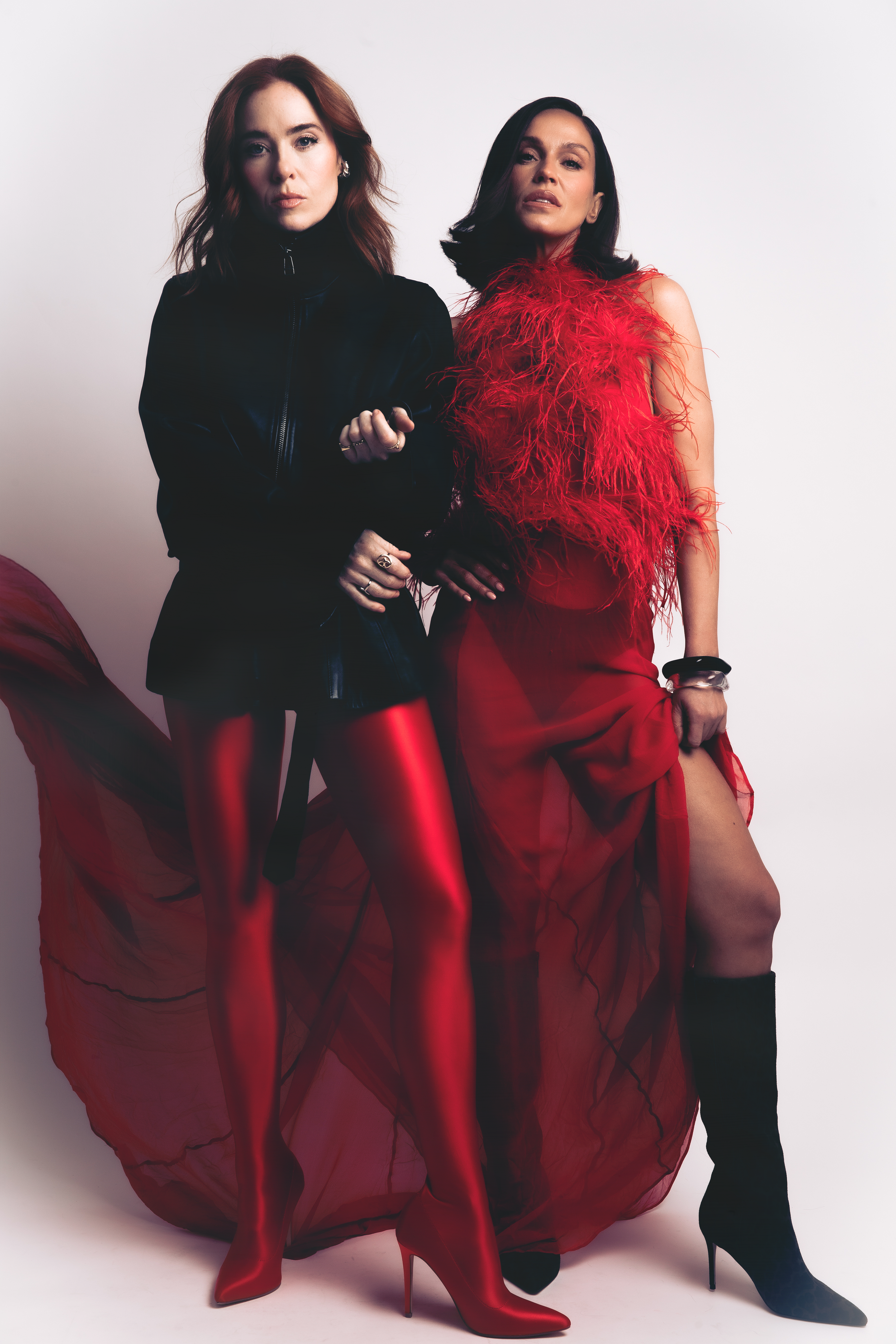
That authenticity has naturally extended beyond the hosts themselves and into the community they have built. Their listeners, affectionately known as "Gagglers", are not passive audiences but active participants within the conversations. Whether through Instagram voice notes, personal messages or their newer listener-led episodes, women continually contribute their own stories, experiences and advice. Pattison described the overwhelming experience of hearing hundreds of audience members instinctively recite the opening lines of the podcast during their first live show before she and Scanlon had even begun speaking – a touching moment wherein listeners of the pod could unite in their appreciation for the hosts themselves. It was, she admitted, one of the first moments where the scale of what they had created truly became apparent.
Yet perhaps the most striking observation came from Scanlon herself, who argued that Get a Grip's audience is defined less by demographics than by disposition. Reflecting on the community they have built, she explained: "It's not a demographic, it's a disposition." Something that really intrigued me is how their listeners span generations, from teenagers listening alongside their mothers to women decades older offering wisdom from experiences still waiting ahead. As Scanlon reflected, there are "16-year-olds and mums and daughters who listen together", creating a space where women of vastly different ages find common ground through shared experiences. Rather than creating divisions between generations, the podcast actively encourages conversations across them. Women become mentors, confidantes and reminders that somebody else has already survived what feels impossible in the present moment. In doing so, Get a Grip transforms individual experiences into collective ones, replacing loneliness with recognition. The inter-generational audiences that this podcast invites is something that I found particularly striking and unusual for a pod, and what makes it even more of a safe space for women of all kinds.
Throughout our conversation, one phrase repeatedly lingered in my mind: honesty over perfection. Scanlon admitted that, despite naturally being a more private person, podcasting has gradually encouraged her to reveal parts of herself she never expected to discuss publicly. Pattison similarly reflected on how openly discussing subjects such as PMDD and reproductive health has become genuinely life-changing, not simply because audiences relate to those experiences, but because speaking them aloud has allowed her to better understand herself too. In various means, Get a Grip does not simply document conversations about womanhood discussing fun or frivolous titbits of their lives but it actively exemplifies exactly what happens when women stop apologising for having them in a society which so often stigmatises natural parts of womanhood.

Perhaps that is why the podcast resonates so deeply to the hosts’ “Gagglers”... Pattison and Scanlon never claims to solve the complexities of modern womanhood which is in part what makes them feel so authentic and genuine as hosts nor does it pretend that every difficult conversation surrounding women’s daily lives ends with a tidy and neat “fix-all” solution. Instead, they offer something far more valuable: permission. Permission to change your mind. Permission to contradict yourself. Permission to struggle. Permission to laugh whilst discussing female-oriented subjects that have historically been treated with shame or silence and without giving into taboos and stigmatisation. In a contemporary era dominated by curated identities and carefully filtered versions of ourselves, Get a Grip reminds women that authenticity is infinitely more powerful than perfection, and I think in a society so fixated on perfection, you couldn’t ask for a better message for women everywhere to hear.
When I asked what they hope every listener gains from hearing even just one episode, Pattison said: "I hope they feel less alone. Feel seen, heard and understood. And give themselves a break once and awhile...being a woman is hard. It's nice to know there are other women out there equally unhinged, trying their best but struggling sometimes too."
Ultimately, that is exactly what Get a Grip achieves. It does not seek to speak for every woman, nor does it attempt to provide a definitive guide to navigating modern life or adhere to each and every single unique experience a woman has. Instead, it opens the door, pulls up a chair and reminds women that they were never expected to figure it all out alone. This is exactly the kind of pod you can unwind to, feel accepted by, and enthral yourself with the hosts’ funny, vulnerable and all the while comforting words, while cosying up with a cup of tea. In a world that still asks women to quieten themselves, soften their opinions and apologise for taking up space, Get a Grip does the opposite. It encourages women to speak louder, laugh harder and, perhaps most importantly, realise that there has never been anything wrong with them in the first place. As a young woman myself, I feel this is exactly the kind of podcast we need to not only empower one another, but to feel accepted into a welcoming safe space and what better reason to create a podcast is there than that?
Team Credits
Photographer: Laura Braithwaite
Stylist: Eden Lovesee-Clark
Art Directors: Emily-Grace & Michael Morgan | Original Magazine
Vicky's Glam Team: Hair: Thomas Tatum MUA: Huda Okuonghae
Angela's Glam Team: Hair: Maurice Flynn MUA: Krystal Bell using HAUS LABS
MUA Assistant: Tamsin Roberts
Styling Assistant: Adela Novakova
Lighting Assistant: Tim Schein
Studio: Green Place Studios
