
Paper Tiger
Has More Claws Than Its Title Suggests
Writer: Anya Duncan

With a star-studded cast and flashes of inspired filmmaking, Paper Tiger is a crime drama that finds its claws in unexpected places, even if some of its story struggles to leave a lasting mark.
I finally understand the meaning of this title phrase. It refers to something that appears fearsome but lacks the substance to back up its threats. A paper tiger can growl all it likes, but the moment something growls back, its weaknesses become apparent.
Fortunately, Paper Tiger is not quite as flimsy as its name suggests.
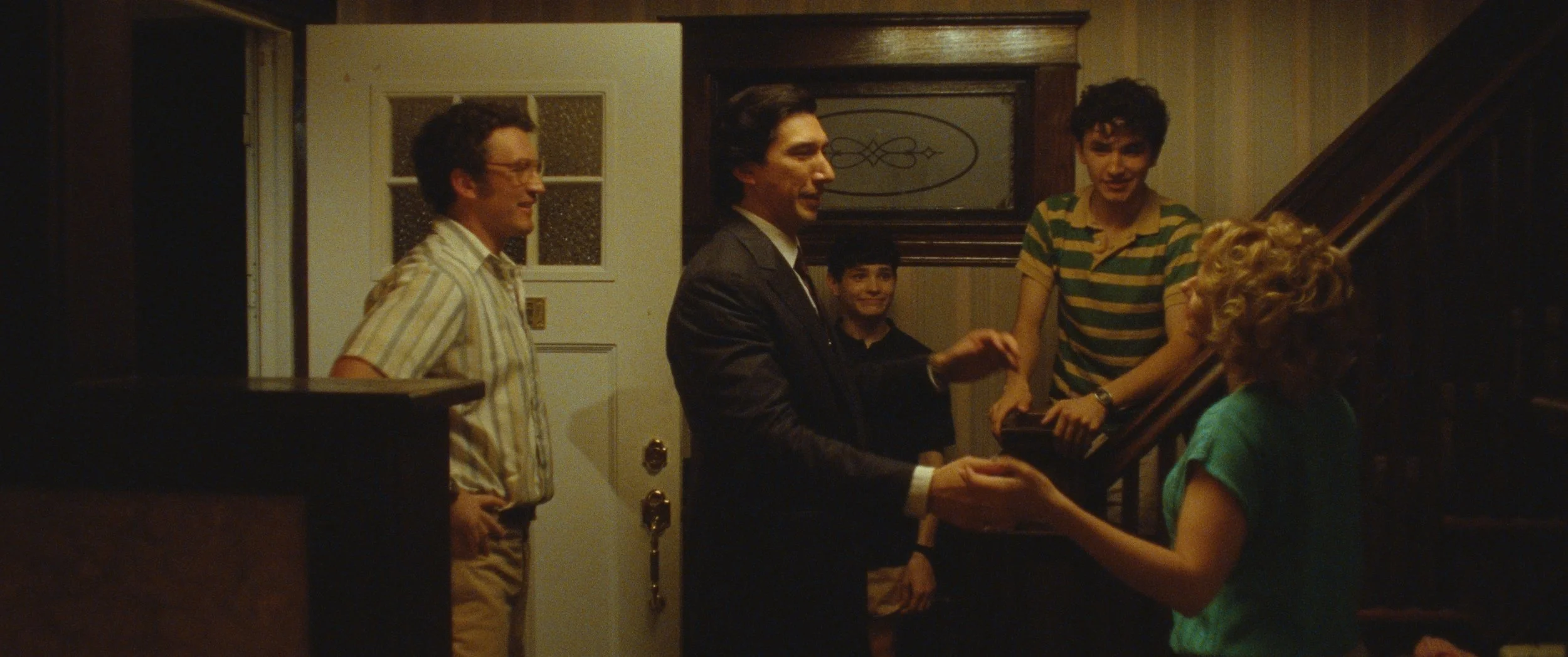
Starring Adam Driver, Miles Teller and Scarlett Johansson, the film centres on two brothers who believe they can offer legitimate consultancy services to a group of Russian immigrants working around New York's docks. What begins as an apparently straightforward business arrangement draws them into the orbit of an emerging criminal syndicate, forcing them to navigate the increasingly dangerous territory between professional ambition and organised crime.
Yet, for all the menace surrounding them, the film's most interesting quality is how little its central characters seem willing to compromise their principles.
There's a rather endearing innocence to Gary (Driver) and Irwin (Teller) when they first concoct their plan to consult on dock territory owned by a set of Russian immigrants. They seem to regard the criminal underworld as something that can be managed through good business sense, rather than a force capable of swallowing them whole. In particular, Gary’s background in the NYPD drives the Pearl brothers to hubris, believing the emerging Russian population in New York is not, in fact, a new crime family.
I expected that throughout the story, at least one of the brothers would crumble to the influence of the Russians. In particular, Driver's character seemed primed for a descent into corruption. His background in law enforcement made me suspect that the film was preparing to explore the familiar territory of a man whose moral compass gradually loses its bearings.
But director James Gray resists that temptation.
Neither brother becomes excessively corrupt, and the film refuses to follow the well-worn path of watching ostensibly good men become indistinguishable from the criminals they encounter. It's a decision that gives Paper Tiger a degree of restraint, even if it occasionally leaves its characters feeling less tested than they might have been.
The Russian syndicate, meanwhile, embodies the film's central metaphor. Its power appears formidable, but there's an underlying question about how much of its authority rests on genuine strength and how much depends on everyone else being too frightened to challenge it.
The film has something to say about intimidation, then, even if it doesn't always push those ideas as far as it could.
For much of its runtime, Paper Tiger is a decidedly plot-driven affair. The direction is functional rather than particularly adventurous, with the story taking precedence over any distinctive visual flourishes.
That's why one sequence towards the climax stands out so vividly.
Facing off against the Russian mob on the outskirts of New York, Driver finds himself surrounded by towering grass reeds that seem almost impossibly tall for the city's fringes. The camera moves through the dense vegetation, drawing us into his perspective as though we were stalking prey alongside a hunting tiger.
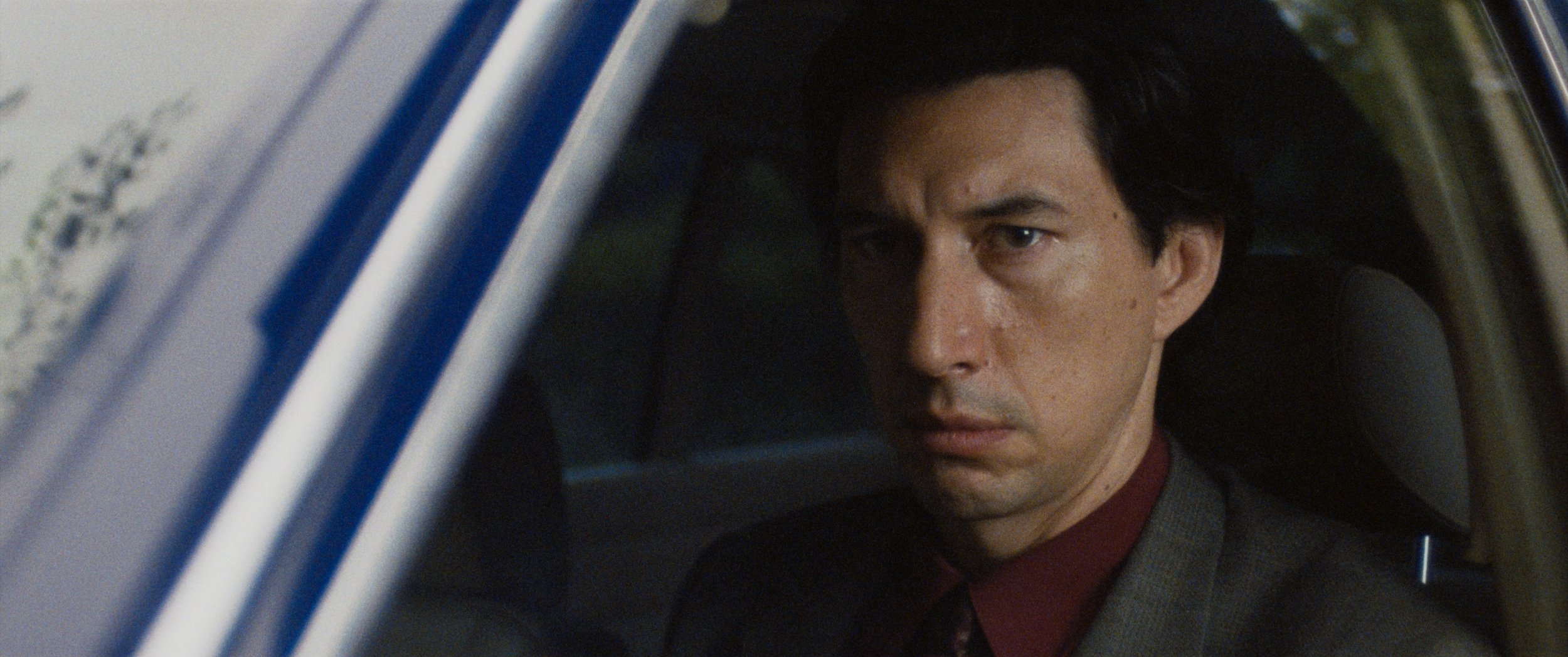
Driver is largely concealed, his face appearing in fleeting glimpses through the grass. The framing transforms an otherwise ordinary confrontation into something far more primal. He seems coiled and watchful, ready to strike, while the landscape becomes an extension of his character's predatory instincts.
For a moment, Gray's filmmaking becomes genuinely arresting.
The sequence demonstrates how much atmosphere can be created through perspective, composition and movement alone. It also feels strikingly different from the film's more conventional approach elsewhere, making me wish Gray had embraced this visual imagination more consistently.
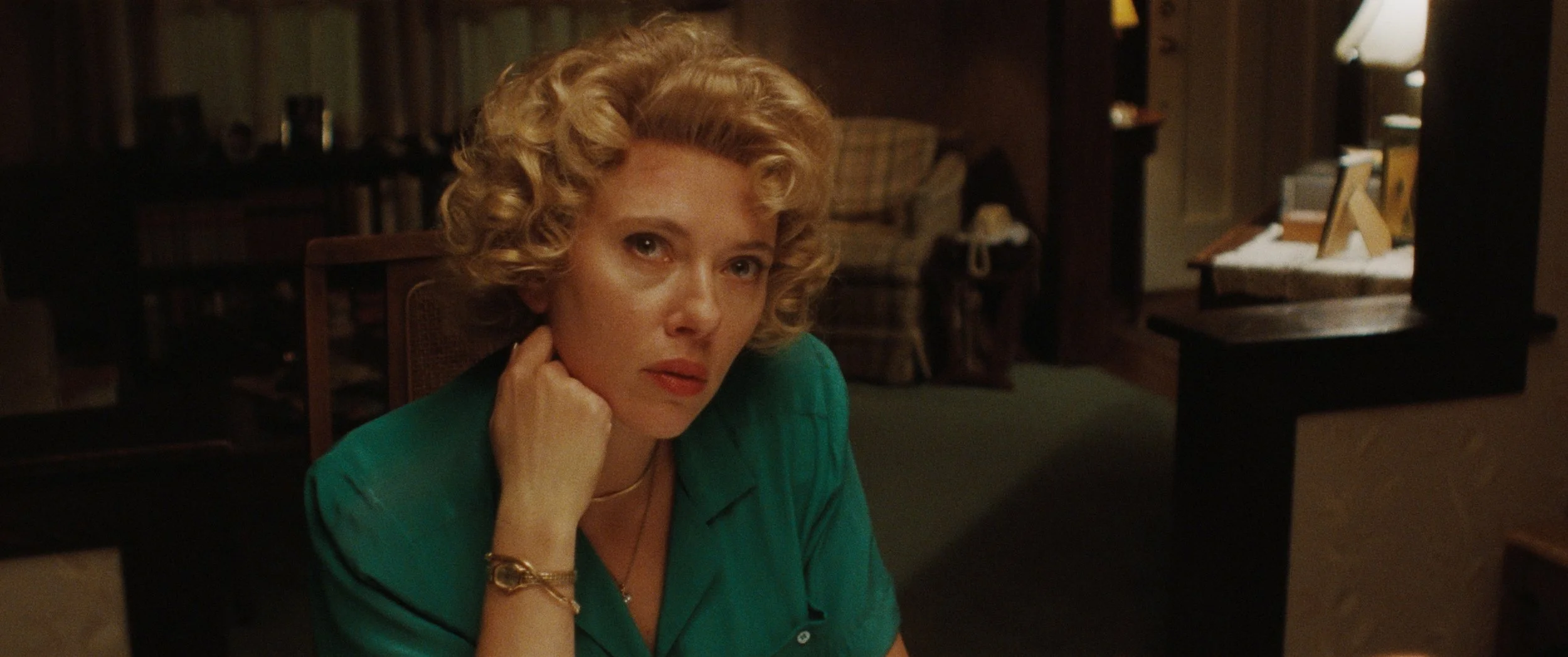
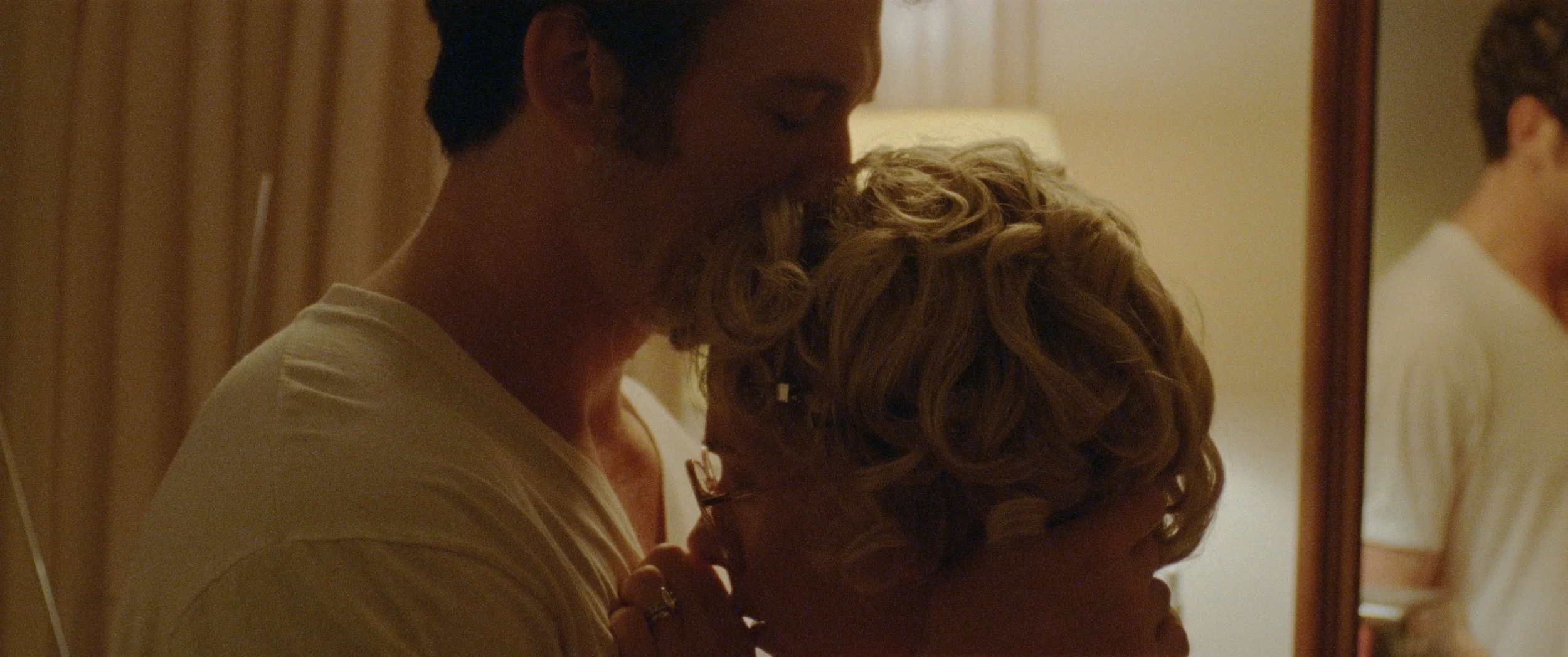
Meanwhile, Johansson brings a welcome presence to the film as the family's matriarch. Her character's health-related storyline provides an important emotional undercurrent, helping to explain some of her decisions as events unfold. It's a subplot that feels necessary, giving the family dynamic an additional layer of vulnerability beneath the crime drama's harder exterior.
However, the character never quite comes into focus.
Her motivations, particularly surrounding her decision not to tell the family about her diagnosis, raise questions that the film doesn't adequately resolve. Her love for her sons is clear, but there's more to understanding a character than knowing whom she loves.
Her eventual disappearance is especially perplexing. Rather than providing a satisfying emotional resolution, it leaves a conspicuous gap in the narrative. I wanted to understand more about her intentions, her reasoning and what her choices ultimately meant for the family.
Johansson does what she can with the material, but the screenplay leaves too much unsaid.
With Driver, Teller and Johansson sharing the screen, Paper Tiger has no shortage of star power. Their collective presence gives the film a solid foundation, even when the writing doesn't quite deliver the depth its premise promises.
There are moments when the story feels insufficiently grounded, particularly in its treatment of corruption and its handling of the matriarch's storyline. Some of the more interesting questions are raised only to be left hanging, as though the film is content to gesture towards complexity without fully embracing it.
Still, Gray's film has its strengths. Its refusal to rely on predictable moral degradation gives the story a measure of distinction, while its best visual moments reveal a director capable of turning a familiar crime narrative into something unexpectedly compelling.
Ultimately, Paper Tiger feels like the kind of film that could find a particularly receptive audience on streaming, where its star-studded cast and understated approach to organised crime might have room to breathe.
It doesn't always have the bite to match its bark. But, unlike the fragile menace suggested by its title, it has enough substance to leave a mark.
