
The Face of Horror
A Woman's Worth
Writer: Anya Duncan
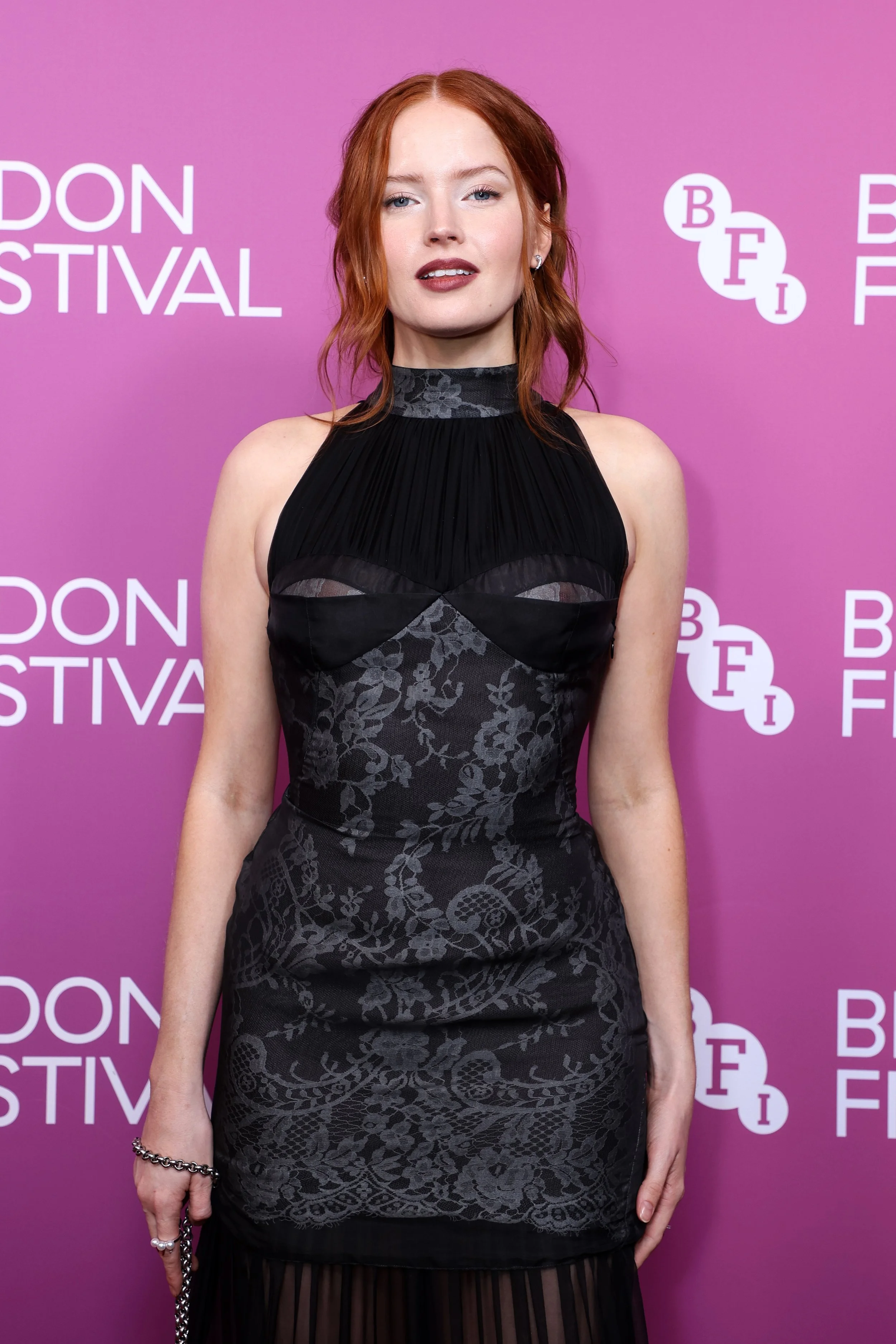
The Face of Horror, despite its name, was largely void of any horror the audience could face off against.
Let me explain.
Set in the Middle Ages, this colourful, visually stimulating production follows Eleanor, played by Christine Frøseth, a young woman whose love for a terribly evil man becomes the catalyst for her own undoing. Driven by greed and a desire for power, her husband murders her father to secure their marriage, only to discard her when a more advantageous match presents itself. As Eleanor grows increasingly sick in his company, her worth becomes entangled with her beauty, until another woman is permitted to mark her face forever. But this is not where her story ends. In death, Eleanor returns as a ghost, and the object of her suffering becomes the instrument of her revenge.
Stylistically, The Face of Horror is brave. It is colourful, theatrical, and visually rich, with costumes that I absolutely loved, even if they occasionally veered into pantomime territory. Perhaps this is simply an inevitable side effect of setting a story in the Middle Ages, or perhaps it is part of the spectacle itself. Either way, there is something wonderfully excessive about its aesthetic. It reads to me like a Shakespearean play: a comedic tragedy in which the absurdity of human cruelty sits alongside its devastating consequences.
And yet, for all its visual extravagance, I was struck by how little blood was actually spilled. I spent much of the film expecting the bright colours to become gently seeped in red, anticipating that the horror would reveal itself through violence, gore, and grotesque imagery. Instead, for the majority of the film, the only blood we see is Eleanor's.
This restraint is one of the film's most interesting qualities. The horror is not necessarily what happens to the body, but what happens to the person inhabiting it. Eleanor becomes progressively more unwell the longer she remains in the company of a man who sees her not as a person, but as a means to an end. He praises her until she begins to measure her own value by her appearance, then allows another woman to destroy the very face he has taught her to treasure.
The real horror of this film, as it always has been, is the pain that can be inflicted by a singular man with bad intentions.
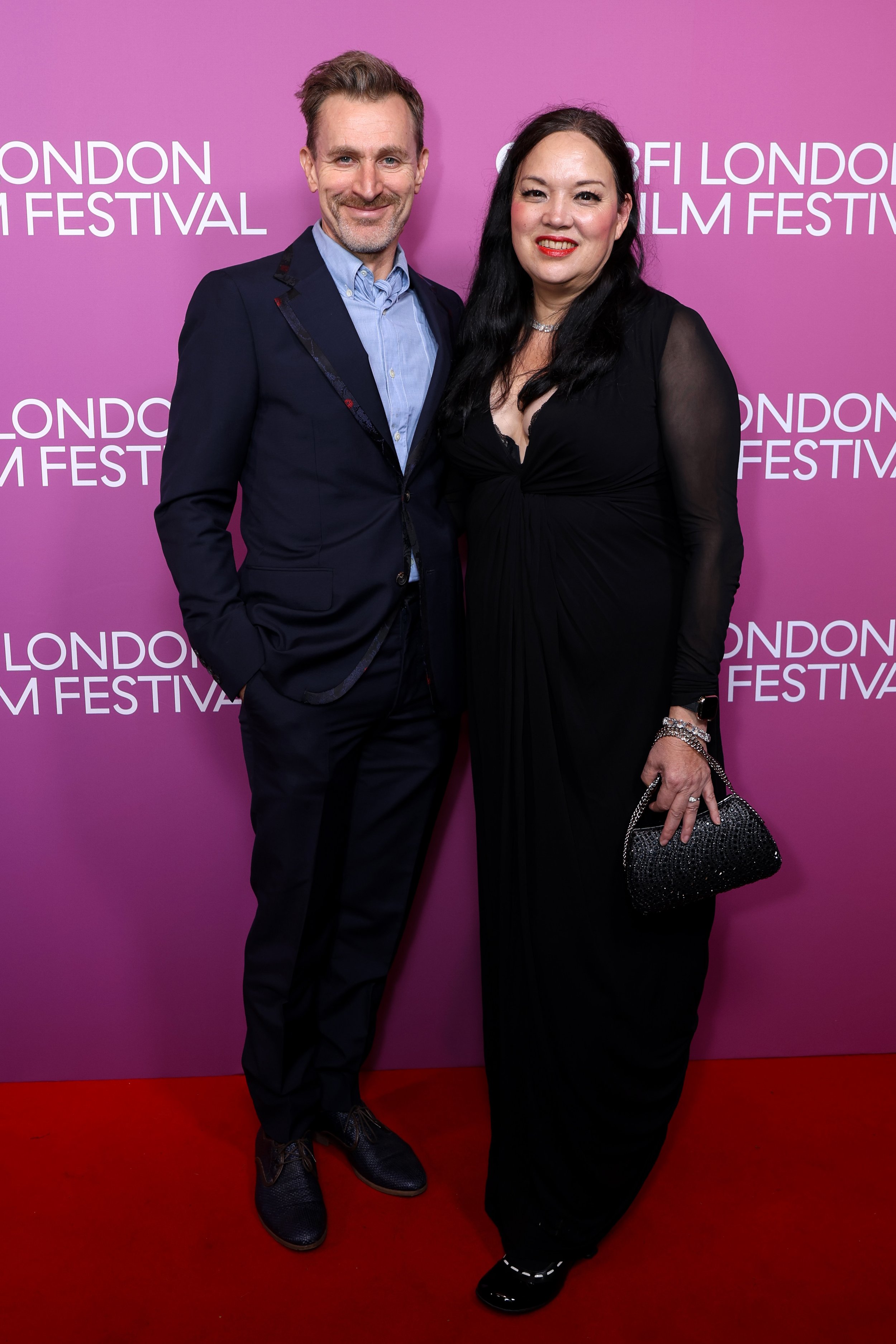
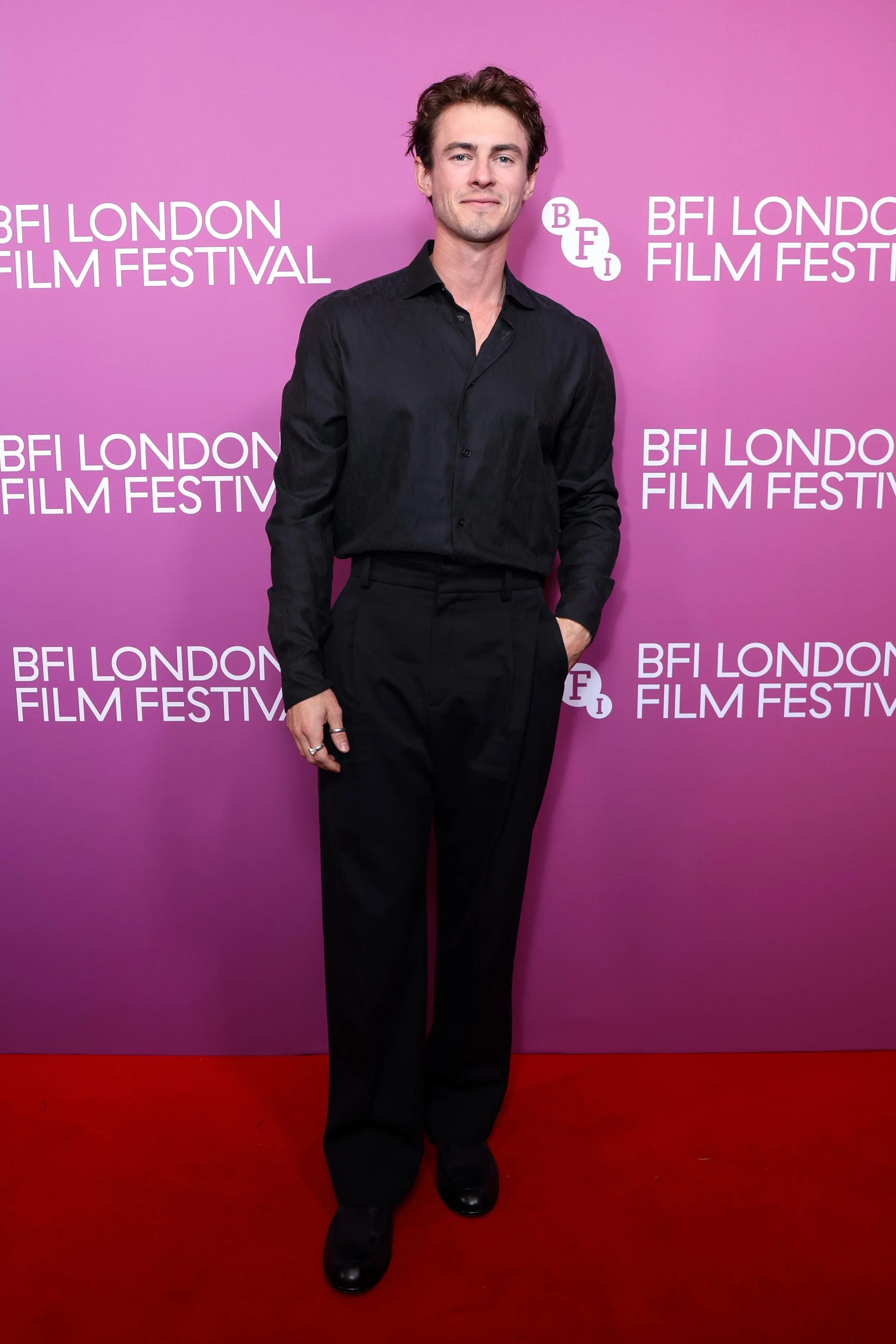
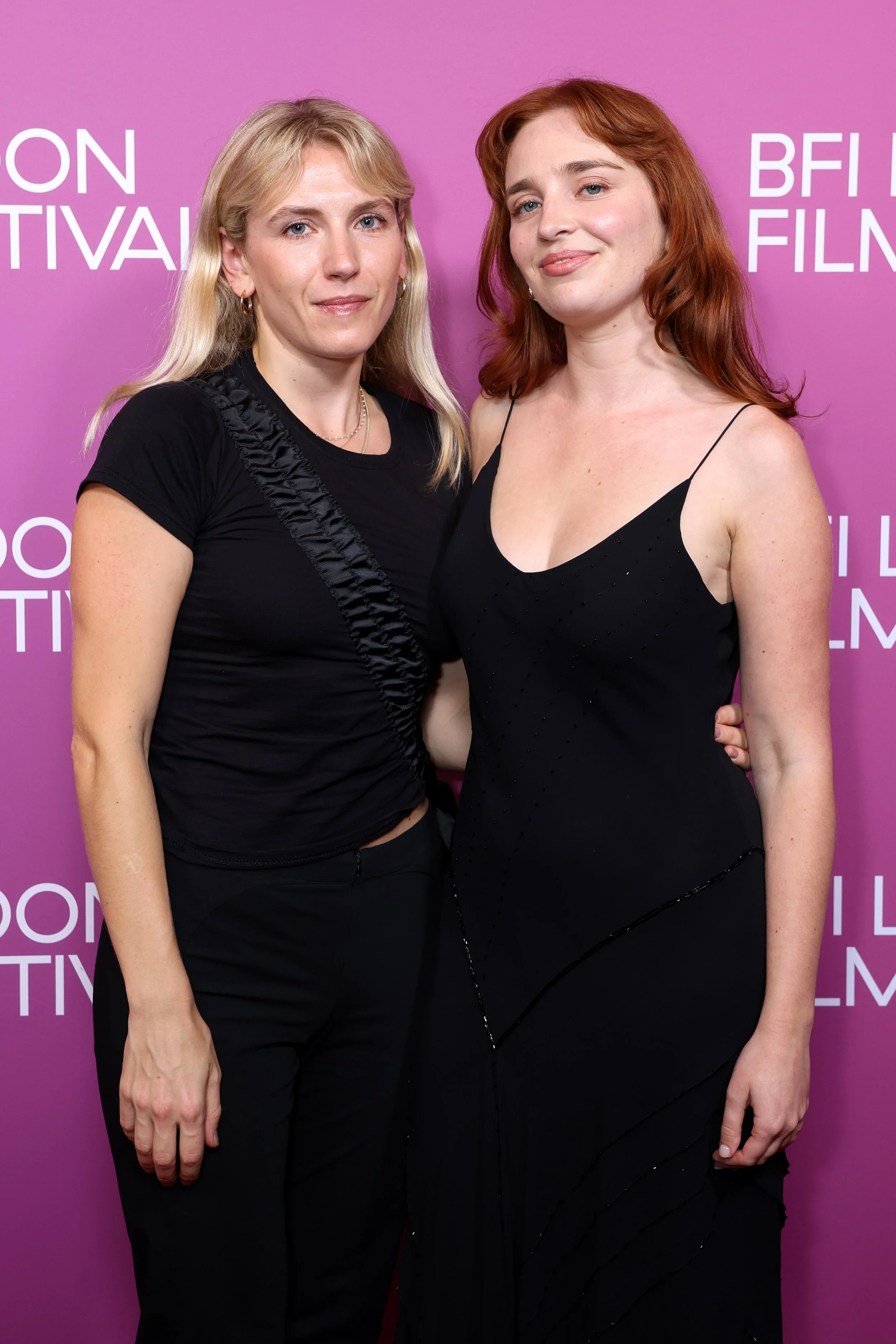
Christine Frøseth carries Eleanor's tragedy with a vulnerability that makes her gradual unravelling all the more affecting. Her character's suffering is a consequence of a cruel man's actions, and a world that permits him to act without consequence.
There is validity in the argument that thematically, this film is barely part of the horror genre. There is very little tension in the opening act. Most scenes come without the dramatic music which leaves you on the edge of your seat. In fact, for most of the film, I didn’t find myself uncomfortable at all. Instead, the horror lies in watching Eleanor internalise the very judgements that are being used to destroy her.
While Frøseth anchors the film emotionally, the theatricality of the wider production gives the story an almost folkloric quality. The heightened costumes, vivid colours, and dramatic sensibilities make the film feel like a dark fairy tale.
Perhaps this is why Eleanor's eventual return as a ghost feels so satisfying. I would wholeheartedly label this a feminist project, and, in the language of modern cinema, a good for her film. Because while it is Eleanor who ultimately plunges the knife into her own stomach upon discovering her perceived ugliness, it is the men who pushed that blade into her. It is their expectations, their conditional love, their insistence that a woman's worth is something to be bestowed and withdrawn at their convenience, that truly murder her.
So when she resurrects to enact her revenge, it feels well earned.
What makes The Face of Horror compelling is that it understands this. Beneath the spectacle, the theatricality, and the occasional pantomime-like flourish, there is something painfully familiar. The most frightening monsters are not always the ones lurking in the shadows. Sometimes, they are the ones holding our hands, telling us we are beautiful, and making sure we never forget how easily that beauty can be taken away.
While this film was not terrifying or particularly profound, I found a lot to like in horror that was not, in fact, violent. It was malicious. It was insidious. And it was hiding in plain sight.
