Liberowe Is Reimagining Tailoring for AW26
Words & Images by: Anya Duncan
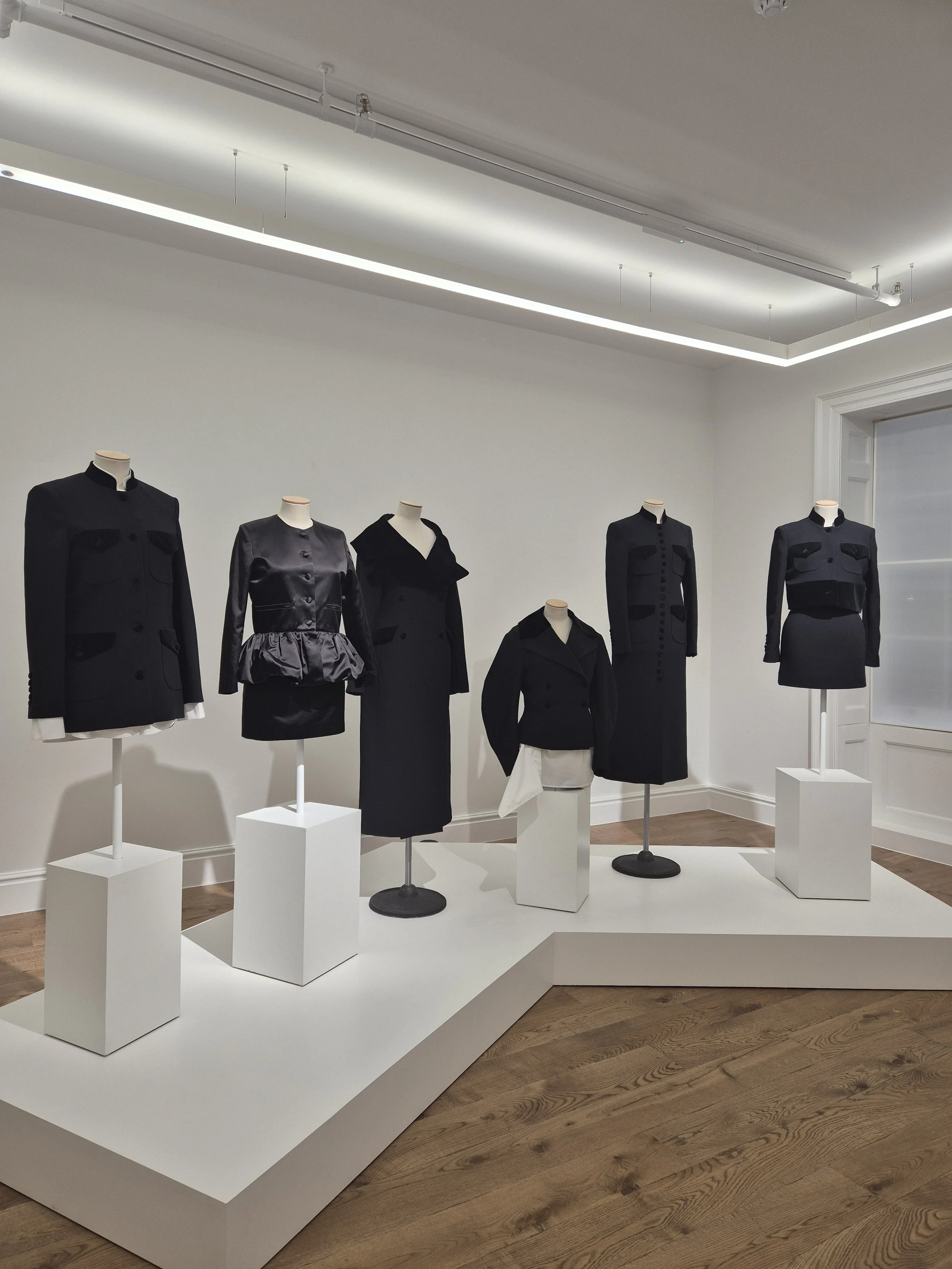
Just steps from the pulse of Regent Street, Liberowe opened its doors to the crowds of fashion week in a sophisticated London townhouse filled with references to classic design. For AW26, the brand chose an open house over a runway, inviting us into its architecture of thought: sharp lines, traditional British tailoring, and a reverence for craft that felt as bracing as a winter wind across the moors.
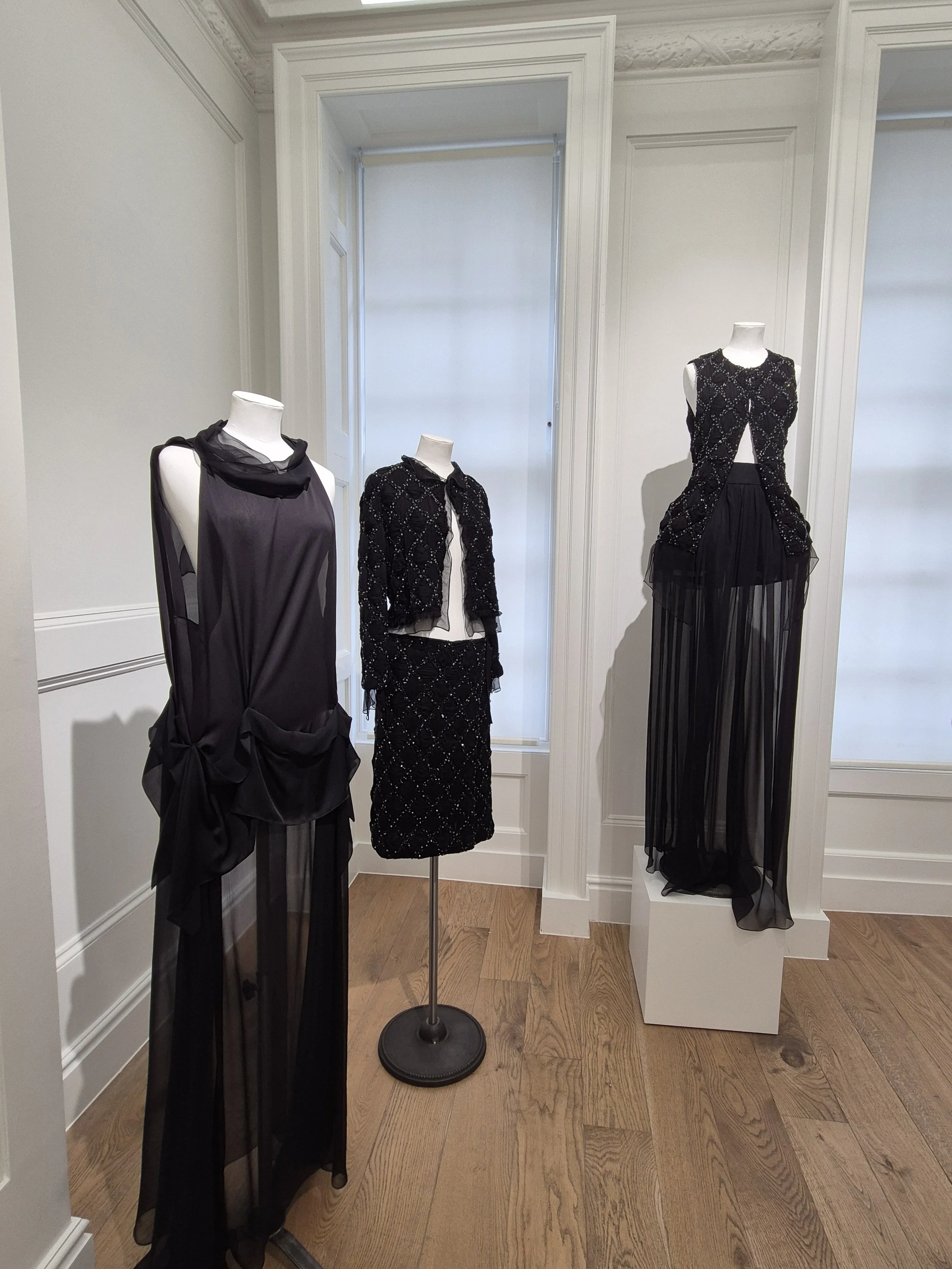
There was something deeply intentional about the setting. Hangers stood in quiet formation between mannequins, giving the collection a feeling that these clothes were waiting to be tried, touched, and inhabited. Talia Loubaton spoke of the intention behind this display, referencing the origins of her brand as a open wardrobe to the community. Of garments created for women to live in, rather than to be looked at. It was a reminder that Liberowe has always balanced structure with sentiment, discipline with warmth.
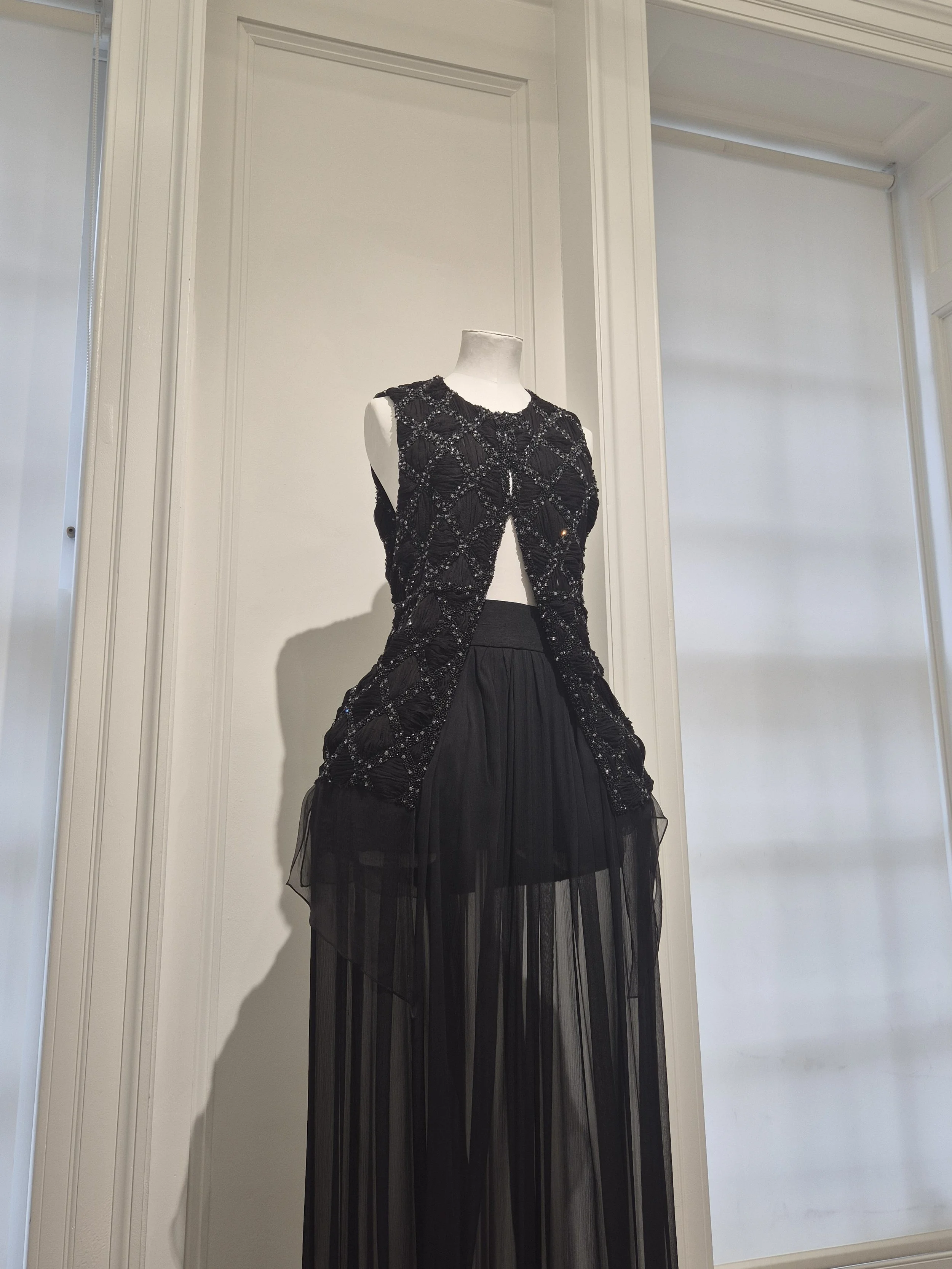
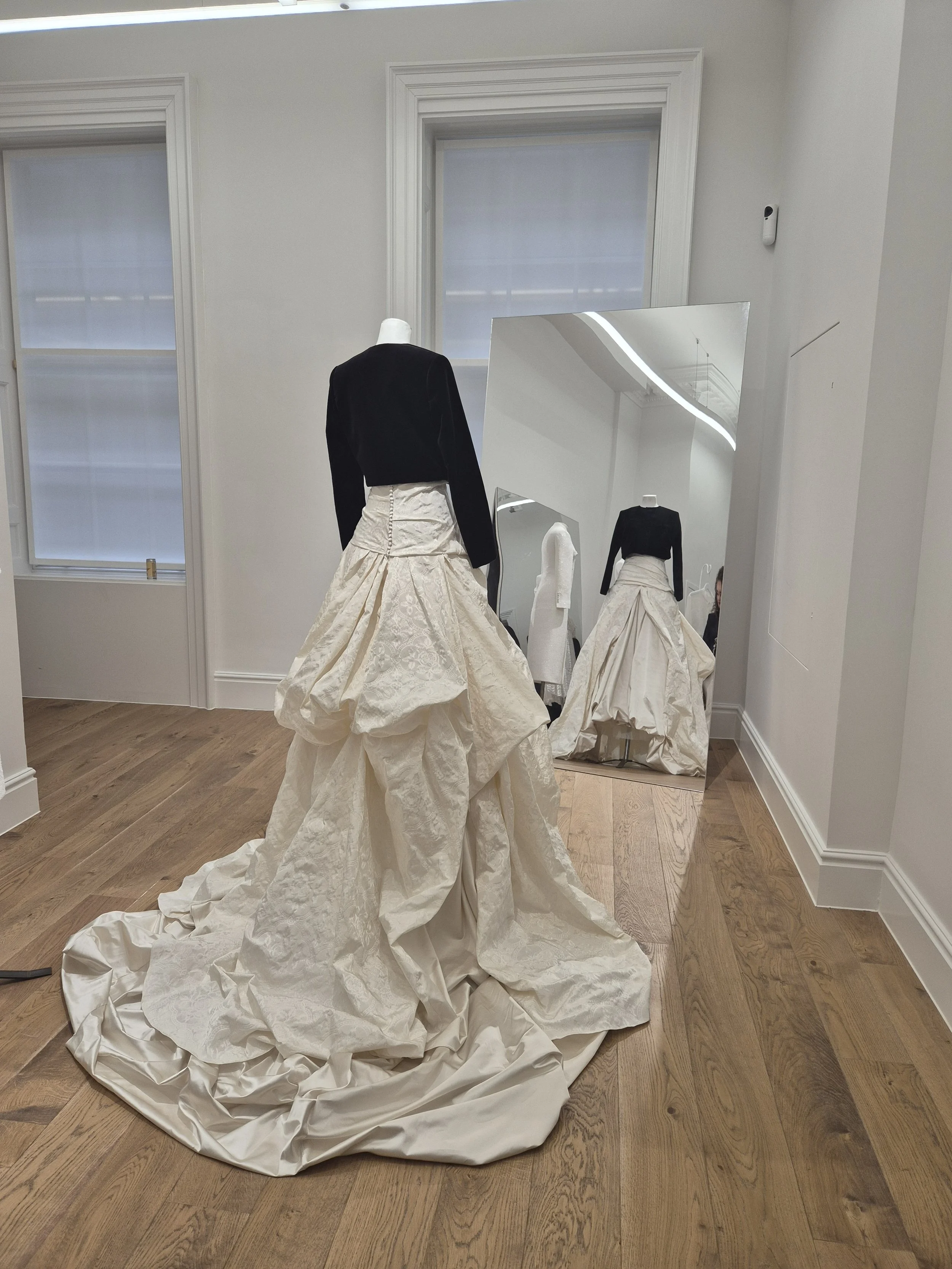
The collection itself was a study in precision. Razor tailoring carved silhouettes with confidence; shoulders were exacting, waists considered, hems deliberate. Yet within this architecture bloomed romance. My favourite look lived upstairs: a white skirt unfurling from a mannequin in a ruffled train of immaculate construction. Its drop waist whispered bridal nostalgia. Paired with a sculpted black top, the ensemble felt windswept and resolute — like a heroine pacing the Yorkshire moors, skirts catching in the gale.
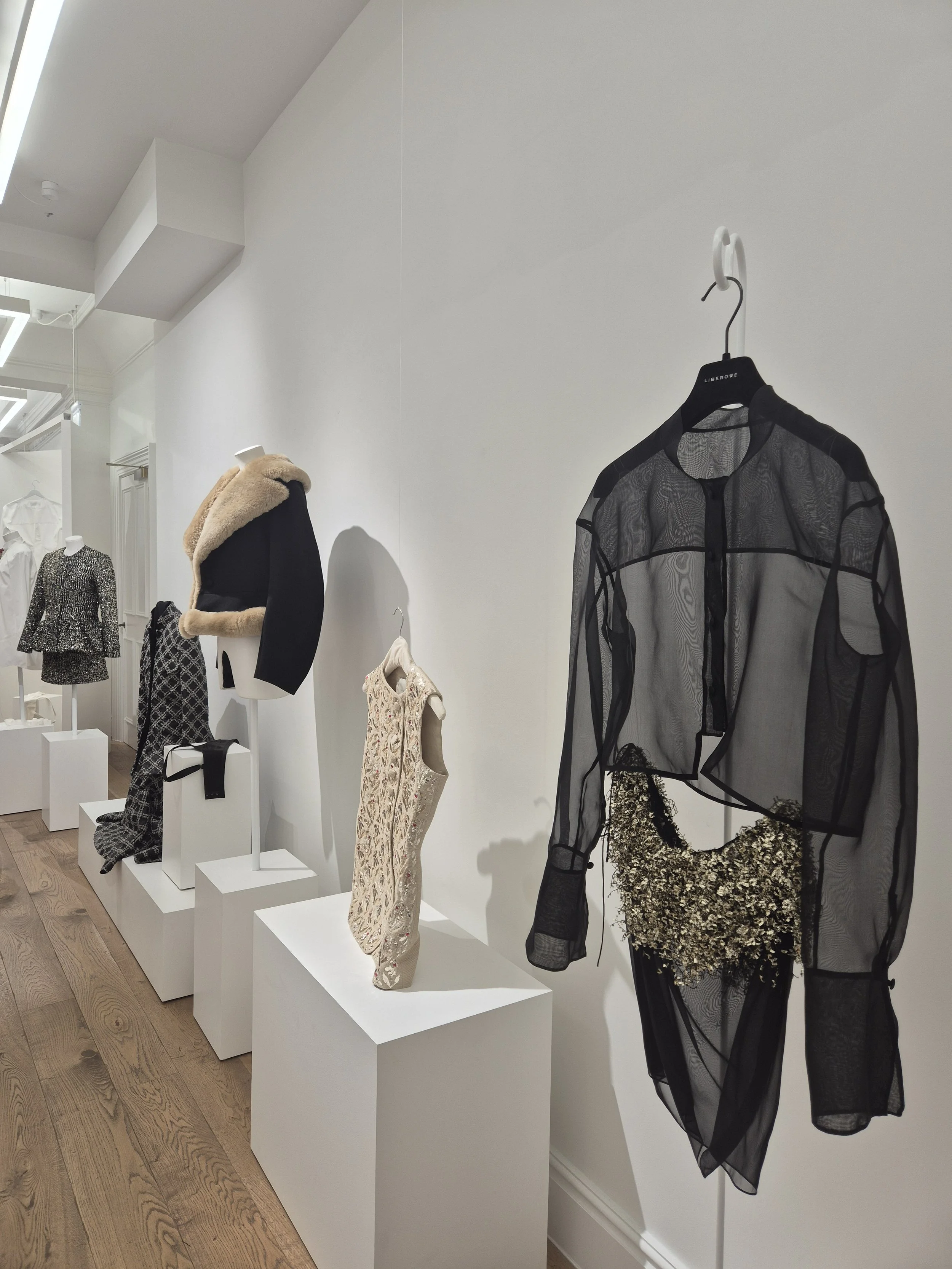
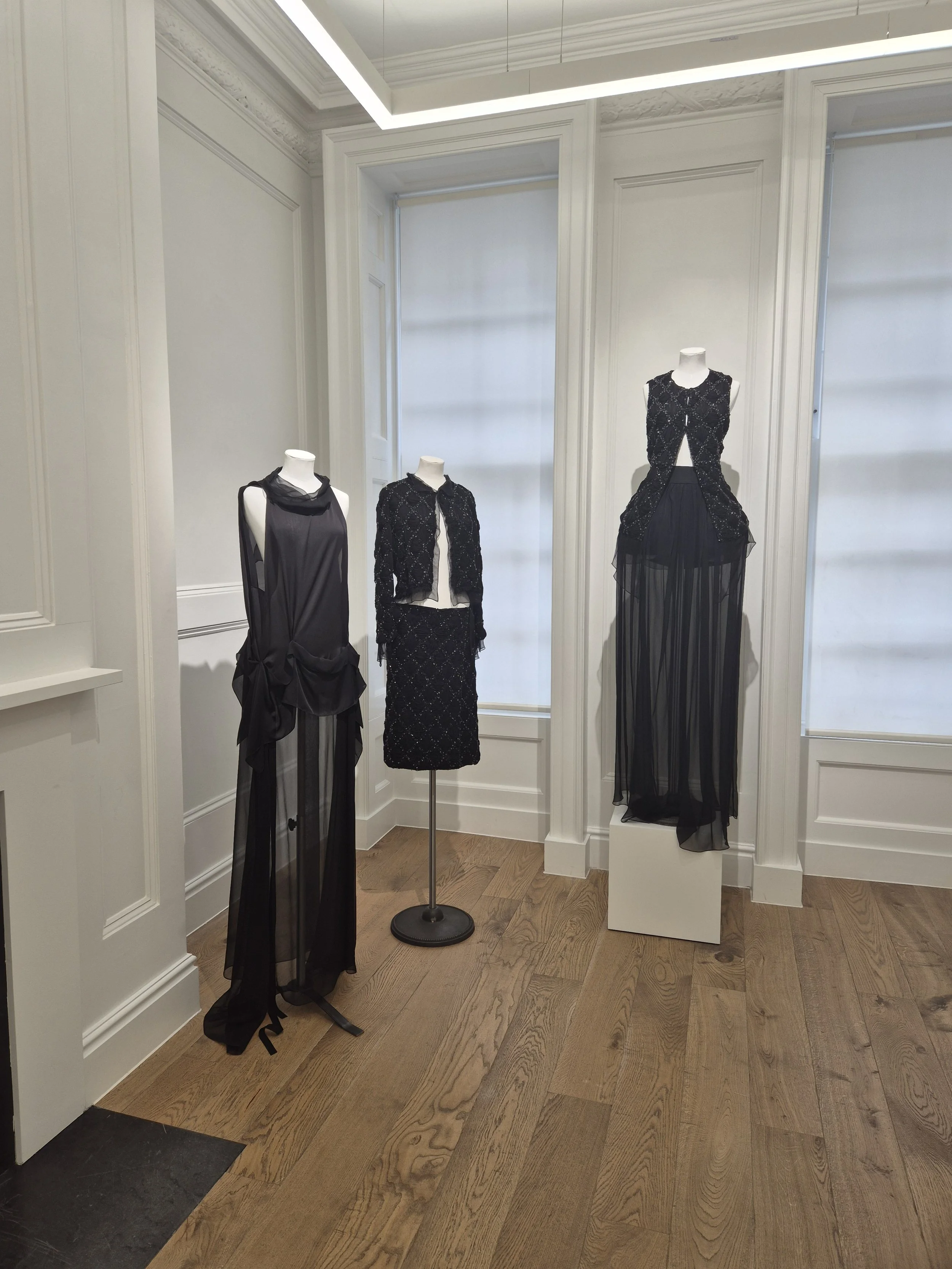
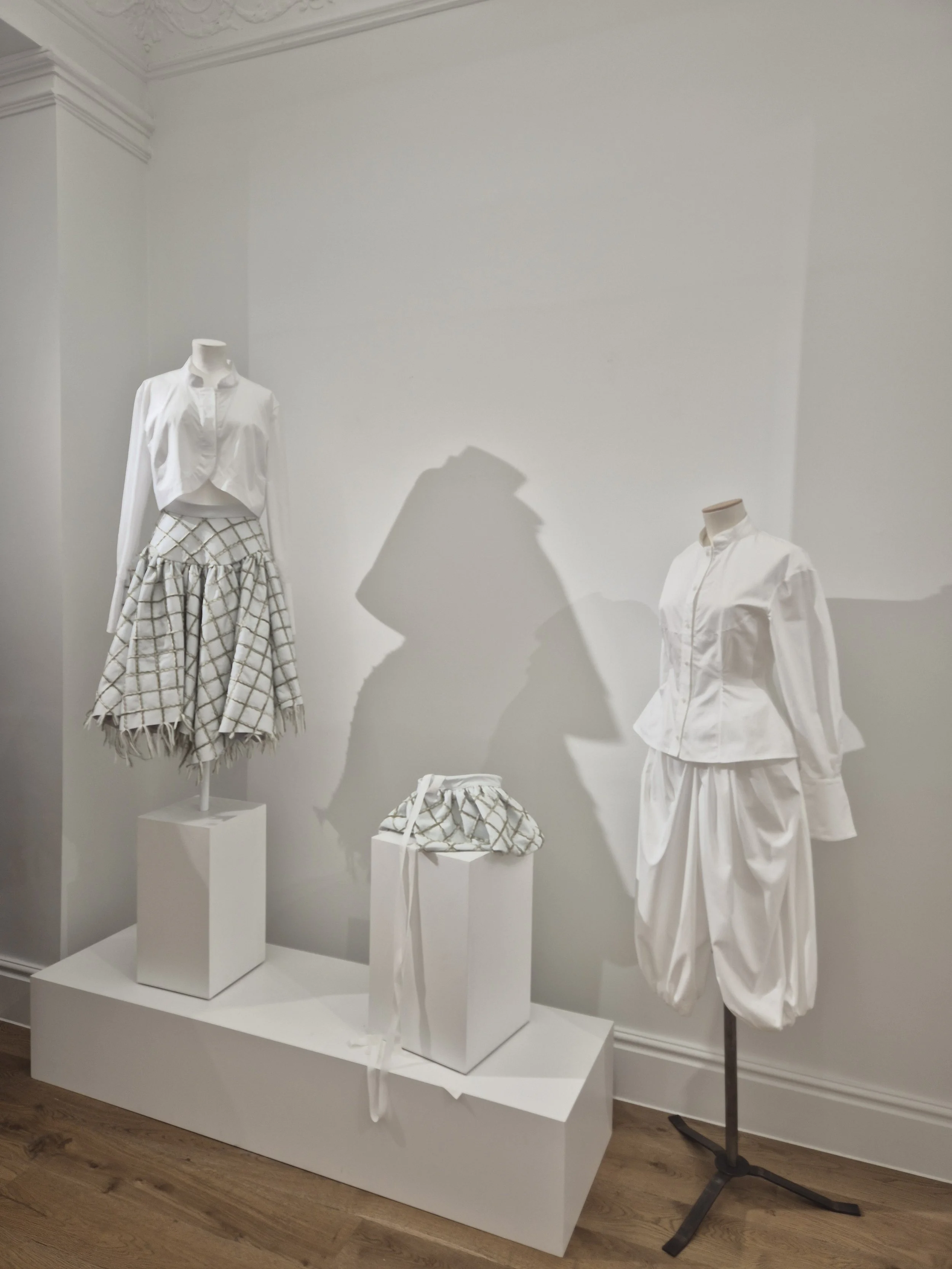
Elsewhere, restraint proved just as powerful. A simple white shirt skimmed the body with effortless clarity, allowing a green checkered skirt to claim quiet attention. Cut into a gentle A-line, it fell with a kind of thoughtful ease is overlapping waves of thick fabric. This look was proof that fashion classics, when reimagined through Liberowe’s lens, need no embellishment to command a room.
Though much of the palette remained neutral (creams, blacks and softened earth), the intention was never austerity. Rather, it was an invitation to observe construction. To see how a seam curves and how a waist drops. In one upstairs room, however, texture took centre stage. A woolly fabrication — tactile, almost pastoral — was manipulated with remarkable dexterity. It was laid flat and tailored as a jacket in one look, then erupted into ruffled edges in another, as if the same cloth had learned two different dialects. It was this transformation that lingered with me: the idea that traditional apperatus need not be rigid. That heritage fabrics can move, shift, and surprise.
Liberowe’s AW26 presentation did not reminded me that tailoring is a living language. One that can be spoken softly or with conviction, and become structured yet windswept. In an industry often preoccupied with the new, Liberowe returned us to origin. To hangers, to community, to craft.
And in doing so, it made sharpness feel poetic.