
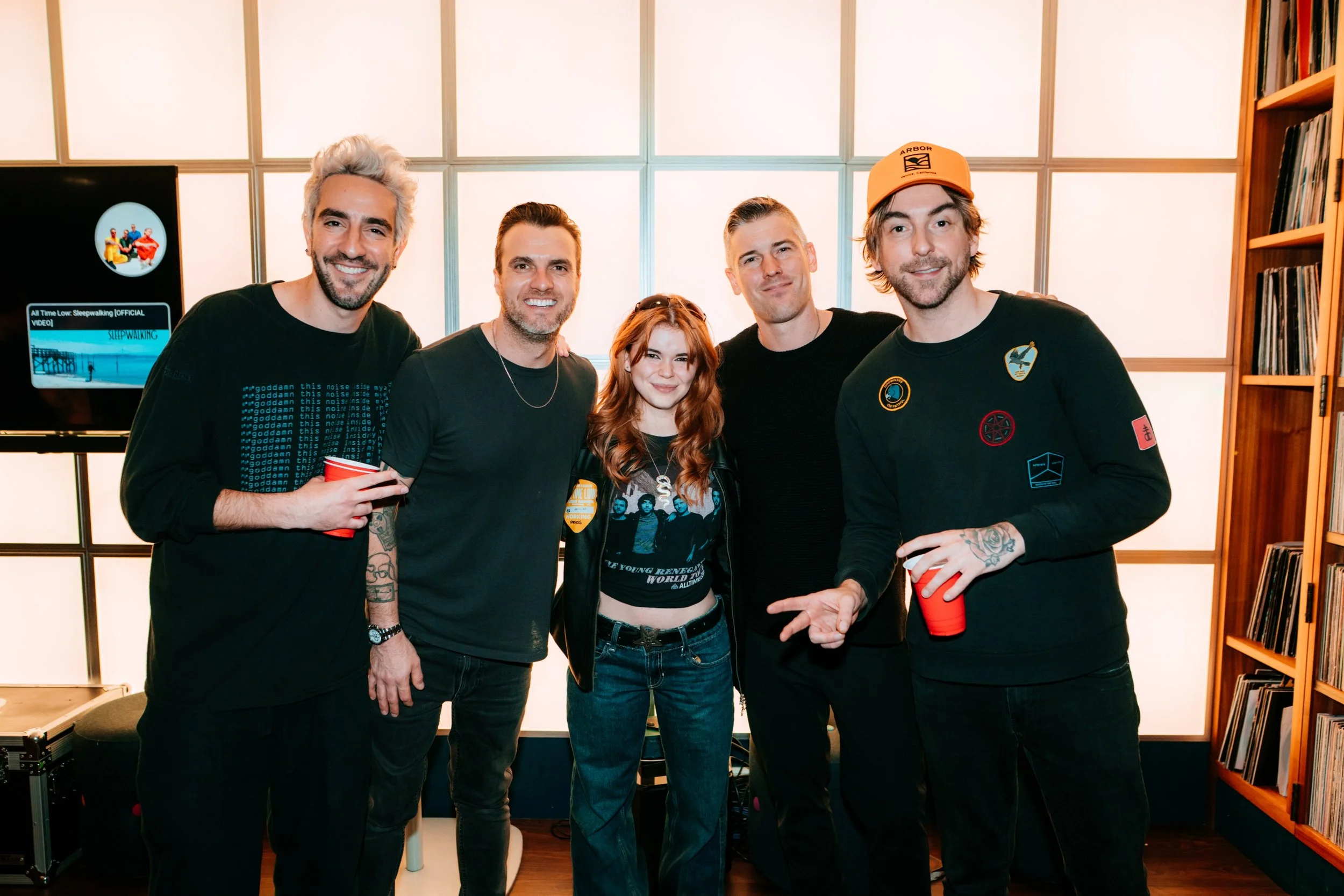
ALL TIME LOW’S EVERYONE’S TALKING TOUR:
A TIME CAPSULE STAGED FOR 20,000
Words & Images by: Anya Duncan
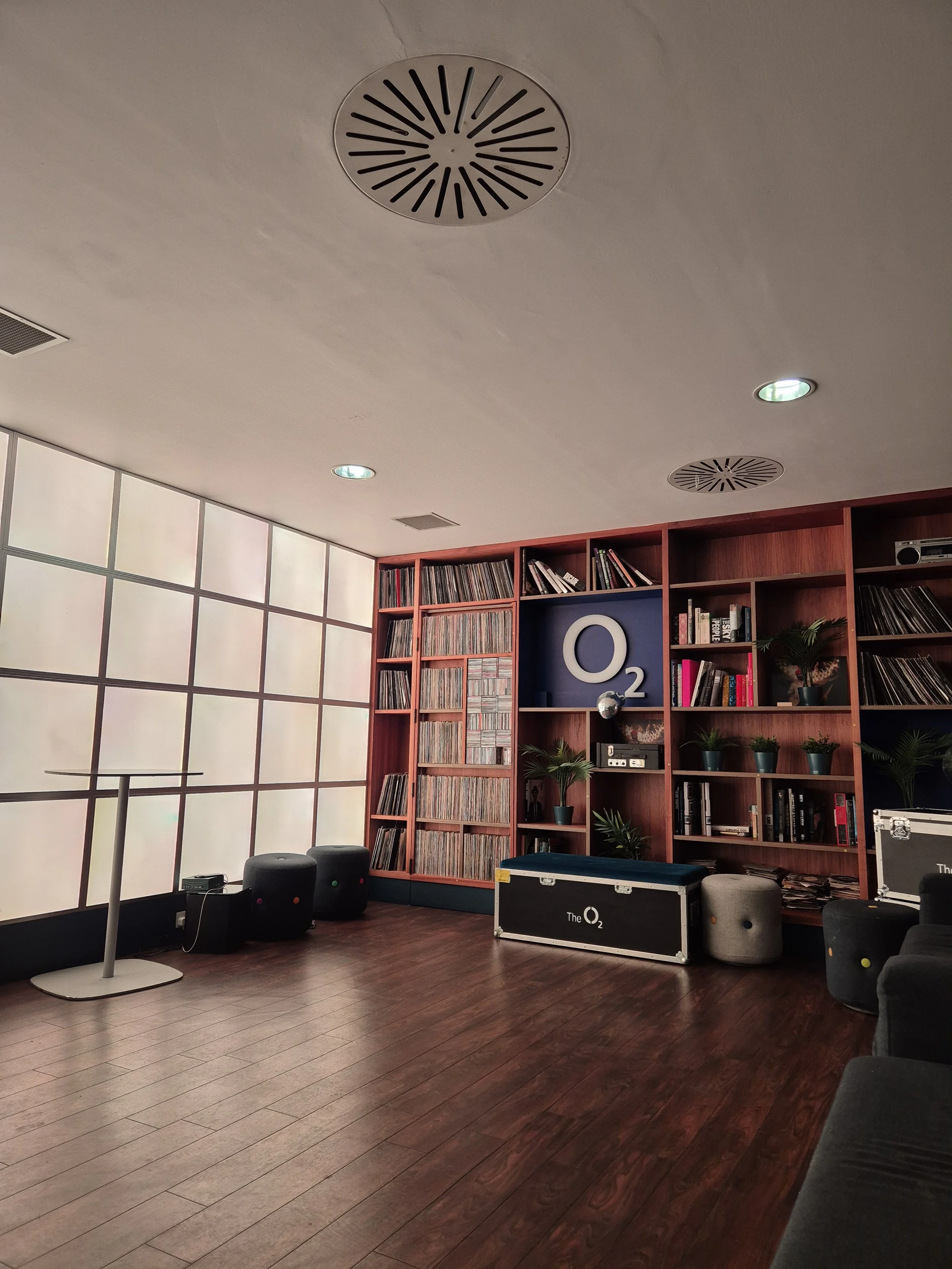
2026 begins like any other new year. There’s a familiar churn of headlines, pivots, and progress; the music industry is practically addicted to reboots and reinventions. And yet All Time Low, it seems, are resisting the urge to discard their past as another January trickles through our fingers. Instead, they’re celebrating it. Interrogating, even, in front of crowds around the world.
The Everyone’s Talking Tour stepped over the Atlantic this month, landing first in Glasgow before tracing a jagged line through the UK’s major cities. On Saturday, January 22nd, that path led to London’s O2 Arena: two nights, a capacity of 20,000, and the highest ticket sales the Baltimore pop-punk veterans have ever seen. And yet, speaking to them before the show, none of it seemed to change their posture. They stood among press and crew like new friends. All humble smiles and hands in pockets, as if politely observing someone else’s legacy.
Frontman Alex Gaskarth even confessed he’s still surprised — maybe even mystified — by All Time Low’s continued popularity. He recounted the many times he overheard Dear Maria, Count Me In drifting over a supermarket PA in the U.S, dissecting its structure in his head as he kept his head down. That impulse to look backward, to analyse their younger selves, eventually led to The Forever Sessions, Vol. 1: a re-recording project that could have easily alienated the fans who hold those original tracks as sacred time capsules. Re-recordings always risk the cardinal sin of nostalgia: tampering with someone’s memories.
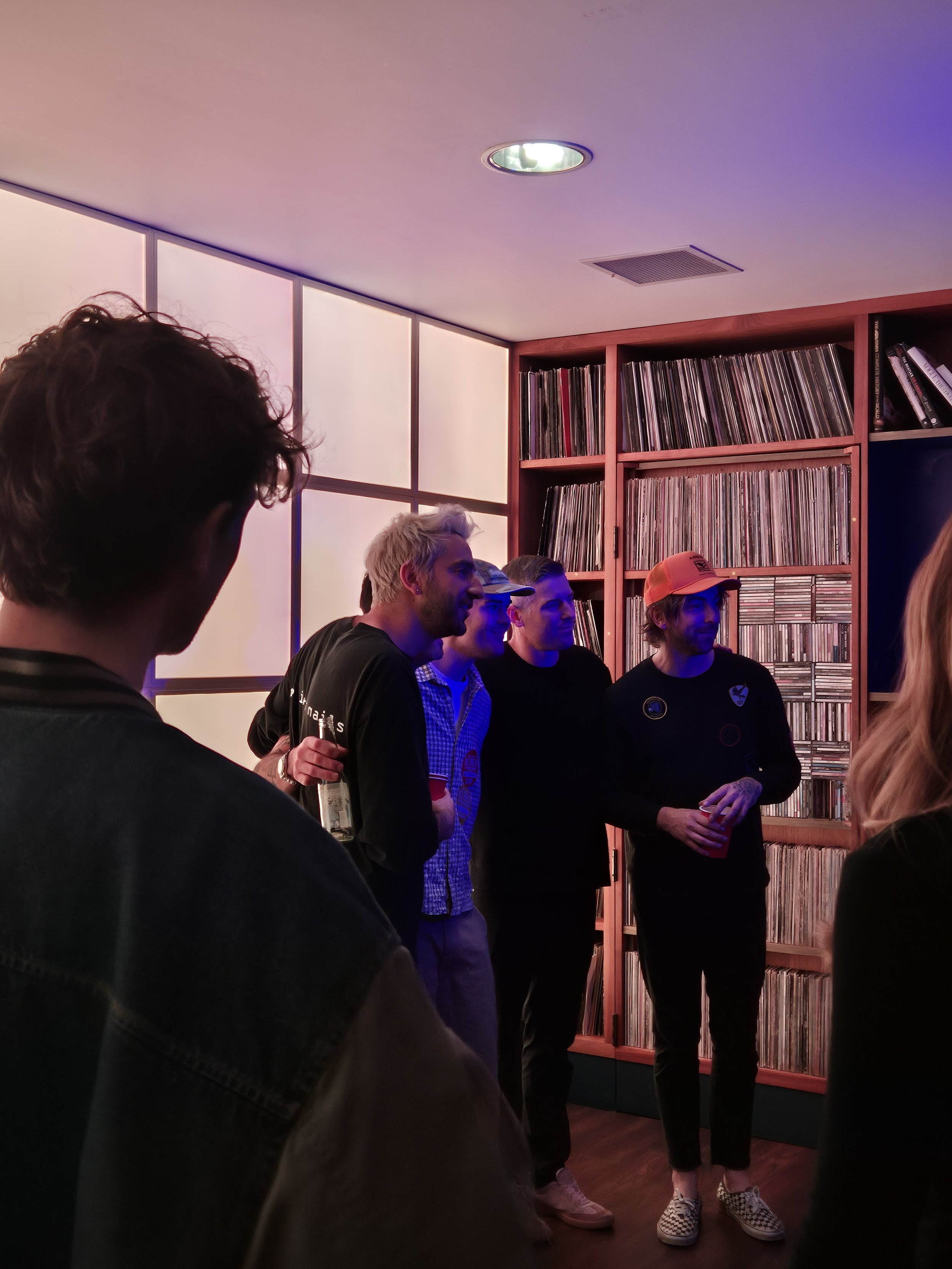
But if Saturday night proved anything, it’s that All Time Low’s audience isn’t blinded by nostalgia. They’re empowered by it. When the lights dropped and the screens flared, thousands of voices flew backward and forward through time with equal ease. The kids who discovered the band from their newest album (and the tour’s namesake) chorused beside the adults who grew up burning pop-punk compilations onto blank CDs. Everyone in the room understood a simple truth that I found visible in the band’s handshake and banter backstage: Alex Gaskarth, Jack Barakat, Zack Merrick, and Rian Dawson are, astonishingly, still themselves. Still the earnest Baltimore boys building bridges out of three-minute songs. Still the lifers cultivating a community that’s two decades deep.
Fittingly, the night’s openers set the thematic table for this nostalgia-forward banquet.
Taylor Acorn — whose emo-country-adjacent songwriting has found viral traction in recent years — opened with the rawness of someone diarizing in real time. Her set leaned into tracks about heartbreak and identity, delivered with the self-aware humor of a performer who knows she’s soundtracking someone's first breakup and someone else’s fifth. Her inclusion felt intentional: another reminder that pop-punk’s great unifier has always been honesty.
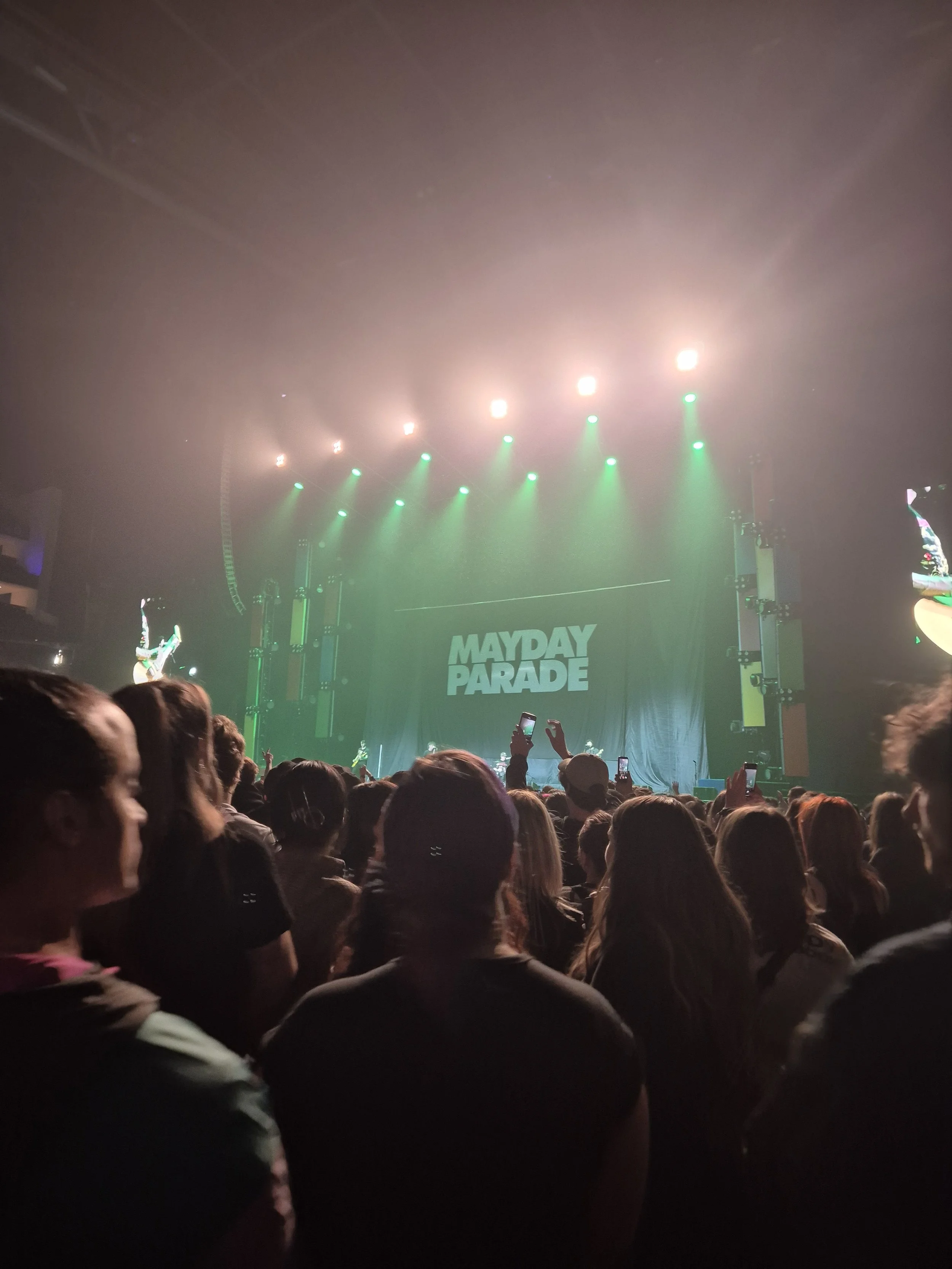
Then came Mayday Parade, veterans in their own right, who transformed the arena into a shared hypnosis. Derek Sanders delivered Jamie All Over and Miserable at Best like someone flipping through a scrapbook. Each page flooded with confessional fists-in-the-air catharsis. Mayday’s longevity mirrors All Time Low’s, and the crowd responded accordingly; entire rows were shouting lyrics with the muscle memory of fans who’ve done it for 15 years. Mayday Parade summoned the ghosts of warped summers, friendships, theater stages, and bedroom singalongs. By the time they left, nostalgia was atmosphere.
Then, exactly as scheduled, All Time Low booted up their time machine.
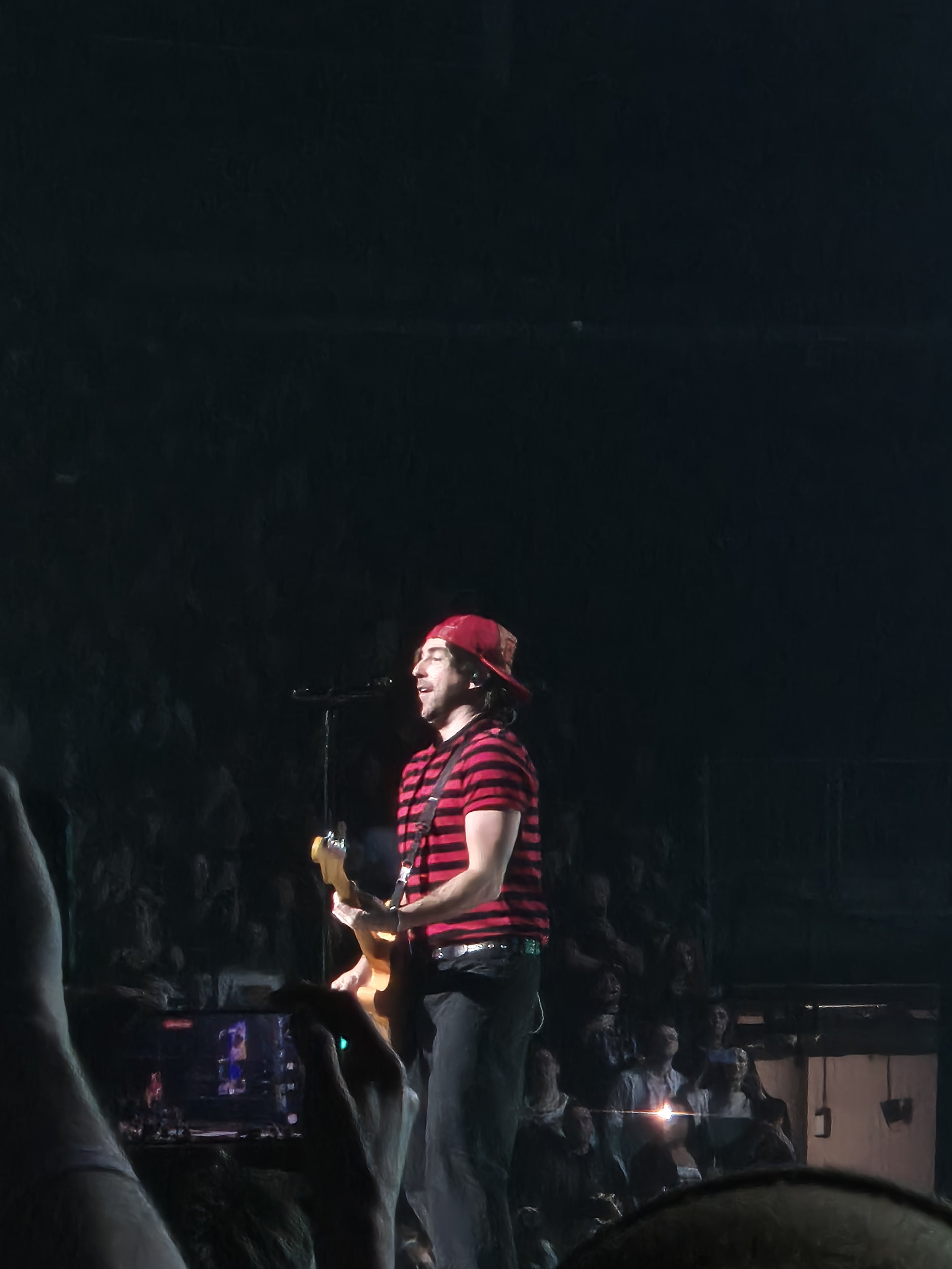
Looking down the setlist for the Everyone’s Talking Tour, the band’s newest LP sits nestled between long corridors of fan-favorite callbacks. The show opened with a one-two punch of energy and recognition, yanking the crowd into the present while keeping one foot firmly in 2008. The middle portion of the night served as a living archive: Weightless into Missing You,into newer cuts that flexed the band’s matured production and tighter melodic instincts.
This sequencing matters. Rather than treating nostalgia as relic, All Time Low treats it as connective tissue. These hits link the band’s many eras instead of fossilizing them. New tracks like the tour’s namesake single proved the band’s contemporary pop sensibilities, while older songs reminded everyone why they were here in the first place. And then, of course, there was the closer: Dear Maria, Count Me In. It detonated on cue — phones up, arms around strangers, the universal gospel of 2000s alt-pop defying the linear arrow of time.
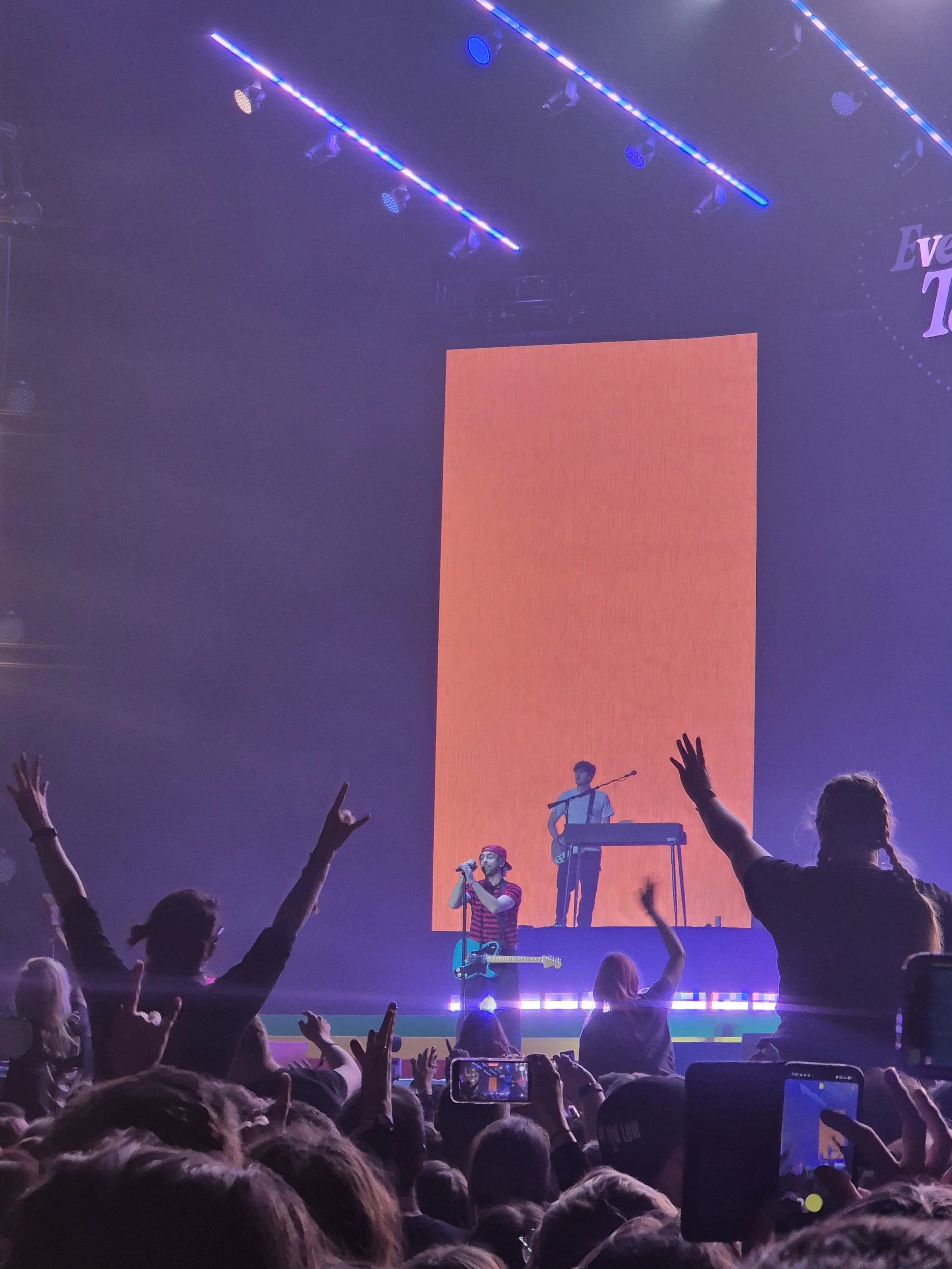
What makes All Time Low’s late-career success fascinating is that they refuse to posture as elder statesmen. Nostalgia, in their hands, is a social technology. A way to collapse time and cultivate belonging. In a genre that has watched countless peers burn fast and bright, All Time Low survived by staying emotionally accessible. Their music ages, but it doesn’t rust.
Twenty-two years into a career, the band is still doing exactly what they always did: building community through melody, and inviting the past to sit comfortably beside the present. As 2026 rolls on, the world may be obsessed with reinvention, but All Time Low is proving there’s still power in remembering.
It can be the electric in the air on nights like these.